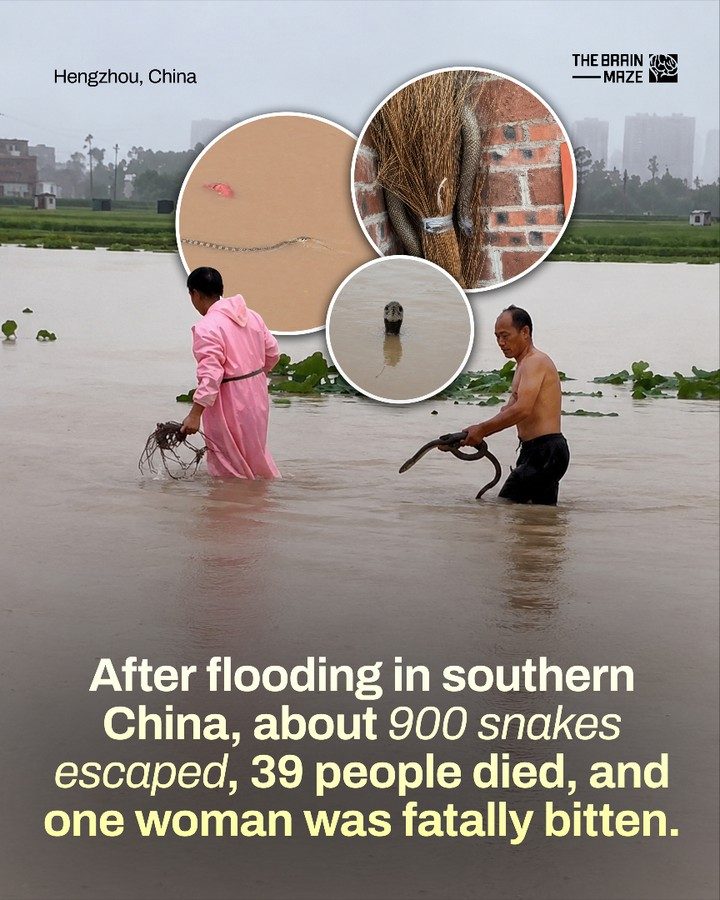
Snake Escapes and Public Safety in Southern China
Flooding in southern China has led to an unusual and dangerous situation: hundreds of snakes, including venomous cobras, have escaped into the floodwaters. This event, triggered by Typhoon Maysak, has prompted authorities to take extraordinary measures to ensure public safety.
Why This Matters
Flooding caused by natural disasters like Typhoon Maysak can lead to surprising and dangerous public safety threats, such as the escape of wild animals, particularly venomous species. This situation underscores the importance of preparedness and swift response from local authorities and healthcare facilities. Understanding the risks and responses involved can help communities better prepare for similar events in the future.
The Aftermath of Typhoon Maysak
The Flooding and Snake Escapes
The aftermath of Typhoon Maysak in southern China has been particularly severe, with extensive flooding leading to a dramatic and alarming event. Floodwaters inundated areas, forcing hundreds of snakes, including venomous cobras, out of their habitats. This sudden influx of snakes into populated areas has created an unusual and dangerous public safety threat.
The Impact on Local Communities
Hengzhou, China, has been hit hard by this event. Approximately 900 snakes escaped due to the flooding, leading to significant public safety concerns. The escape of these snakes has resulted in 39 deaths and one fatal bite, highlighting the severity of the situation. This tragic event underscores the devastating impact of natural disasters on both infrastructure and public health.
Authorities' Response to the Crisis
Urgent Measures
Authorities have swiftly responded to the crisis, implementing several measures to mitigate the danger. One of the key steps taken is the deployment of specialized snake-catching teams. These teams are trained to handle venomous snakes and have been actively working to capture and relocate the escaped reptiles to prevent further harm.
Preparing for Snakebite Emergencies
In anticipation of potential snakebites, hospitals in the affected areas have increased their supplies of antivenom. This proactive measure ensures that medical facilities are well-prepared to treat snakebite victims promptly and effectively, reducing the risk of fatalities.
Public Safety Advisories
Residents in high-risk areas have been urged to avoid these zones to minimize the risk of snake encounters. Authorities have issued public safety advisories, advising people to stay indoors and avoid traveling through flooded areas unless absolutely necessary. This precautionary measure aims to prevent further injuries and fatalities.
Practical Tips for Staying Safe During Flooding
Stay Informed
During a natural disaster like flooding, staying informed is crucial. Keep an eye on local news and official advisories to understand the evolving situation and any specific safety guidelines issued by authorities.
Know the Signs
Learn to recognize the signs of snake presence, such as specific calls or movements in the water. Be particularly cautious in areas near known snake habitats or where snakes have been spotted.
Seek Immediate Medical Attention
If you encounter a snake or suspect a bite, seek immediate medical attention. Prompt treatment with antivenom can significantly reduce the risk of severe complications or death. Know the locations of the nearest medical facilities and how to reach them quickly.
Follow Official Guidance
Adhere to the advice and instructions provided by local authorities. They are equipped with the knowledge and resources to guide you through the crisis safely. Avoid high-risk areas and follow any evacuation orders promptly.
Important Takeaways
This event in southern China highlights several key points:
- Flooding can lead to the escape of wild animals, including venomous snakes, posing a significant public safety threat.
- Authorities play a crucial role in managing such crises through rapid response, specialized teams, and increased medical supplies.
- Public awareness and adherence to safety guidelines are vital in minimizing risks during natural disasters.
Conclusion
The flooding in southern China caused by Typhoon Maysak has brought an unexpected and dangerous situation, with escaped snakes posing a significant public safety threat. The authorities' swift and coordinated response, including deploying snake-catching teams, increasing antivenom supplies, and issuing safety advisories, has been instrumental in managing the crisis. This event underscores the importance of preparedness and public awareness in responding to the unforeseen dangers that can arise from natural disasters. By staying informed, recognizing the signs of danger, and following official guidelines, residents can better protect themselves and their communities.
Watch the Reel
Questions readers ask
What types of snakes have been escaping due to the floods in southern China?
The floods have driven various species of snakes, including highly venomous cobras, into populated areas. This poses a significant risk to public safety as these snakes are known for their potent venom and aggressive behavior when threatened.
What measures have authorities taken to address the snake escape issue?
Authorities have responded by deploying specialized snake-catching teams to capture and remove the snakes from populated areas. These teams are equipped to handle the venomous species safely, ensuring the community's protection.
How does typhoon maysak contribute to the escape of snakes into populated areas?
Typhoon Maysak has caused extensive flooding in southern China, which forces snakes from their natural habitats into urban and suburban areas. This migration is a direct result of the floodwaters disrupting their environments, leading to increased encounters with humans.
What should residents of affected areas do to stay safe during this time?
Residents should avoid areas where snakes are known to be present, and contact local authorities or snake-catching teams if they encounter a snake. It is also important to keep pets and children indoors and to be aware of the potential for snakes to enter homes or buildings.
What is the significance of the snake-catching teams?
Snake-catching teams are essential for public safety as they are trained to handle venomous snakes safely. These teams help mitigate the risk of snake bites and reduce the fear and panic among residents. They work quickly and efficiently to remove snakes from populated areas.
How can similar events be managed in the future?
Flood evacuations and safety measures should be a priority. This includes early warning systems, public awareness campaigns, and having trained professionals ready to respond. Effective coordination between local authorities and healthcare facilities is key to managing such situations.
Why are cobras particularly concerning in this situation?
Cobras are especially concerning because they are highly venomous and can deliver a fatal bite. Their presence in populated areas increases the risk of snake bites, making it crucial for authorities to take swift action to capture and relocate these snakes to prevent harm to the public.
Recent articles
Fresh deep dives from the latest Reels we unpacked.




Comments
Be the first to comment.