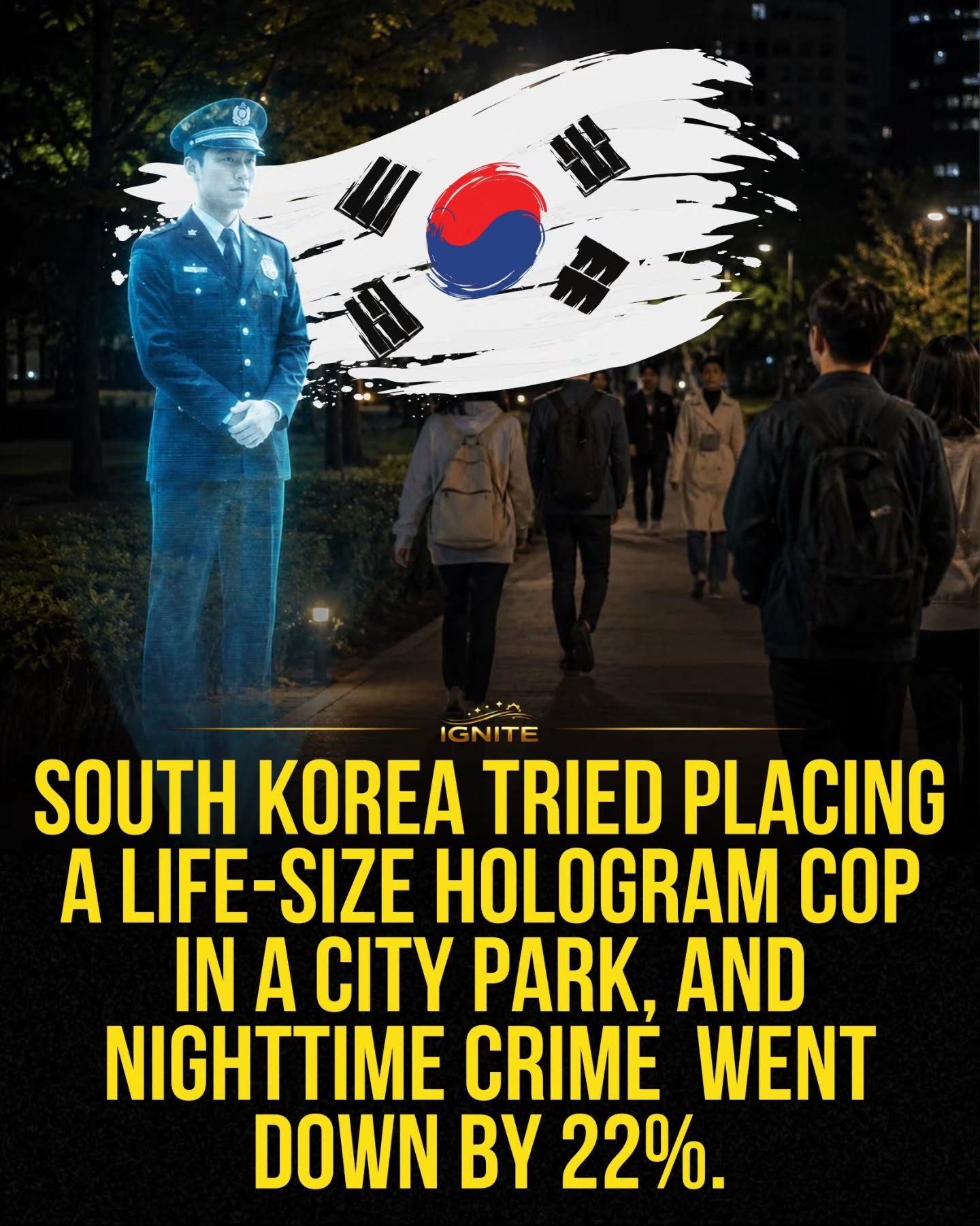
Hologram Police Officers: A Novel Approach to Public Safety
Hologram police officers are being used as a form of public safety. The public safety use case appears to be a dynamic, life-sized hologram of a Korean police officer deployed in a city park overnight. South Korea has tested this approach, and nighttime criminal activity has reportedly diminished by 22%.
Why This Matters
Every city grapples with public safety, particularly in public spaces during nighttime hours. Traditional policing is essential, but it can be resource-intensive and sometimes ineffective. The appearance of hologram officers, which can be a cost-effective, non-intrusive alternative.
Main Discussion
The Power of Perception in Public Safety
When it comes to public safety, perception plays a crucial role. Criminals are less likely to engage in illegal activities when they believe they are being watched. The presence of a hologram police officer can create this perception.
People passing by might hesitate to commit a crime if they see a uniformed officer, even if that officer is a hologram. This psychological deterrent can significantly influence criminal behavior, making public spaces safer.
Technological Innovation in Public Safety
The use of holographic technology in policing represents a significant leap forward in public safety technology. Holographic projections can mimic the presence of a real officer, providing a visible deterrent without the need for additional personnel. This technology can be programmed to patrol specific areas, ensuring a continuous presence even when real officers are unavailable.
The Results of the South Korean Experiment
South Korea's experiment with hologram police officers in a city park yielded impressive results. The presence of the hologram led to a 22% reduction in nighttime crime. This outcome underscores the potential of holographic technology in enhancing public safety and highlights the need for further exploration of this innovative approach.
Safety and Efficiency
Holographic police officers offer a unique blend of safety and efficiency. By reducing the need for human officers to patrol certain areas, this technology frees up resources that can be deployed where they are most needed. Additionally, holograms can operate continuously without the limitations of human fatigue, ensuring a constant presence in high-risk areas.
Public Reaction to Hologram Officers
The public reaction to hologram police officers has been generally positive, with many people appreciating the added sense of security and novelty. Some individuals might still question the effectiveness of holographic officers in dealing with actual threats, but the visual deterrent alone is a significant step forward.
Practical Tips
While hologram police officers are a cutting-edge concept, there are several practical considerations to keep in mind when implementing this technology:
Assess the Area and Purpose
Identify the specific areas where holographic officers could have the most significant impact. High-crime zones, public parks, and other high-traffic areas at night are ideal candidates for this technology.
Use in Conjunction with Traditional Methods
Holographic officers should be used to supplement rather than replace traditional policing methods. The technology can fill gaps in coverage and enhance overall safety, but it should not be relied upon exclusively.
Monitor Effectiveness
Regularly monitor the effectiveness of holographic officers in reducing crime. Collect data on crime rates before and after deployment to assess the impact and make necessary adjustments.
Address Public Perception
While holographic officers can create a sense of security, it's important to address any concerns the public might have. Engage with the community to explain the purpose and limitations of the technology, ensuring that people understand its role in public safety.
Important Takeaways
Enhancing Public Safety
The use of hologram police officers represents a significant innovation in public safety. By creating a visual deterrent, this technology can help reduce crime and enhance the overall safety of public spaces.
Cost-Effective Solution
Holographic officers offer a cost-effective solution to public safety challenges. They can be deployed in high-risk areas without the need for additional personnel, freeing up resources for other critical tasks.
Public Perception and Trust
Ensuring public trust and understanding is crucial for the success of holographic officers. Engaging with the community and addressing any concerns will help build support for this new approach to public safety.
Conclusion
The advent of hologram police officers is a groundbreaking development in the realm of public safety. South Korea's successful experiment with this technology demonstrates its potential to enhance public safety and reduce crime. As we continue to explore and implement this innovation, it's essential to leverage its strengths while addressing any challenges that may arise. Through careful planning and community engagement, holographic officers can become a valuable asset in creating safer, more secure public spaces.
Watch the Reel
Questions readers ask
How do hologram police officers help reduce crime in South Korea?
Hologram police officers in South Korea act as a visual deterrent, making potential criminals believe they are being watched and monitored. This perception has led to a reported 22% reduction in nighttime crime, particularly in public spaces like parks and parking lots. By leveraging advanced technology, these holograms provide a cost-effective and non-intrusive alternative to traditional policing methods. This is achieved without any physical presence of officers in the vicinity.
What is the effectiveness of hologram officers in reducing nighttime crime?
Hologram officers have demonstrated a significant impact on nighttime crime reduction in South Korea. By deploying these holograms, authorities have seen a 22% decrease in criminal activity during nighttime hours. The visual presence of a police hologram creates the perception of surveillance, making criminals cautious and less likely to commit crimes in the vicinity.
Can hologram police officers be used in other settings besides parks?
Yes, hologram police officers can be deployed in various public settings to enhance safety. While they have been successfully used in parks in South Korea, they can also be effective in parking lots, public transportation hubs, and other areas with high foot traffic during nighttime hours. Their versatility makes them a valuable addition to public safety strategies in different environments.
How do hologram police officers compare to traditional policing methods in cost?
Hologram police officers offer a cost-effective alternative to traditional policing. They require no salaries, benefits, or training, and can be deployed continuously without the need for breaks. This makes them an affordable solution for enhancing public safety in areas where traditional policing may be resource-intensive. This also means that regular police officers can be reassigned to other critical tasks.
What technology is used to create hologram police officers?
Hologram police officers are created using dynamic, life-sized holographic technology. This technology projects a realistic image of a police officer that can be seen from various angles, creating the illusion of an actual presence. The holograms are often accompanied by projected audio messages and warnings, further enhancing their deterrent effect and making criminals feel that they are being watched.
Are there any privacy concerns related to the use of hologram police officers?
The use of hologram police officers does not involve any direct surveillance or data collection, so there are minimal privacy concerns. Since they act solely as a visual deterrent and do not collect personal information, they do not infringe on an individual's privacy. However, it is important for authorities to ensure transparency in their use and deployment to maintain public trust and support.
Can other countries implement similar hologram police officer programs?
Yes, other countries can implement similar hologram police officer programs to enhance public safety. The success seen in South Korea demonstrates the potential of this technology in reducing nighttime crime. Countries interested in this approach should evaluate their specific needs, assess the technology's compatibility with local infrastructure, and consider public perceptions to ensure effective deployment and overall public support.
Related deep dives
Similar reads based on topic and creator.


Recent articles
Fresh deep dives from the latest Reels we unpacked.




Comments
Be the first to comment.