Lab-Grown Meat Bans: A Growing Divide Between Tradition and Innovation
Lab-grown meat, also known as cultivated meat, has emerged as a significant topic of debate in recent years. This innovative process involves growing meat from animal cells in a laboratory setting, offering a potential solution to ethical, environmental, and food security challenges. However, the approach has sparked a contentious response from various stakeholders, particularly in the United States and South Korea. These countries have taken vastly different approaches to the regulation and acceptance of lab-grown meat, highlighting a significant divide between traditional agricultural practices and the pursuit of advanced food technology.
Why This Matters
The emergence of lab-grown meat presents a pivotal moment in the food industry. It offers the potential to create a sustainable and ethical source of protein, reducing the environmental impact of traditional livestock farming and addressing concerns about animal welfare. However, the rapid advancement of this technology has also raised questions about food safety, regulatory oversight, and the potential impact on traditional livestock industries. The divergent approaches taken by the United States and South Korea underscore the need for a nuanced understanding of the geopolitical and economic implications of lab-grown meat.
The United States: Protecting Traditional Livestock and Safety
States With Bans
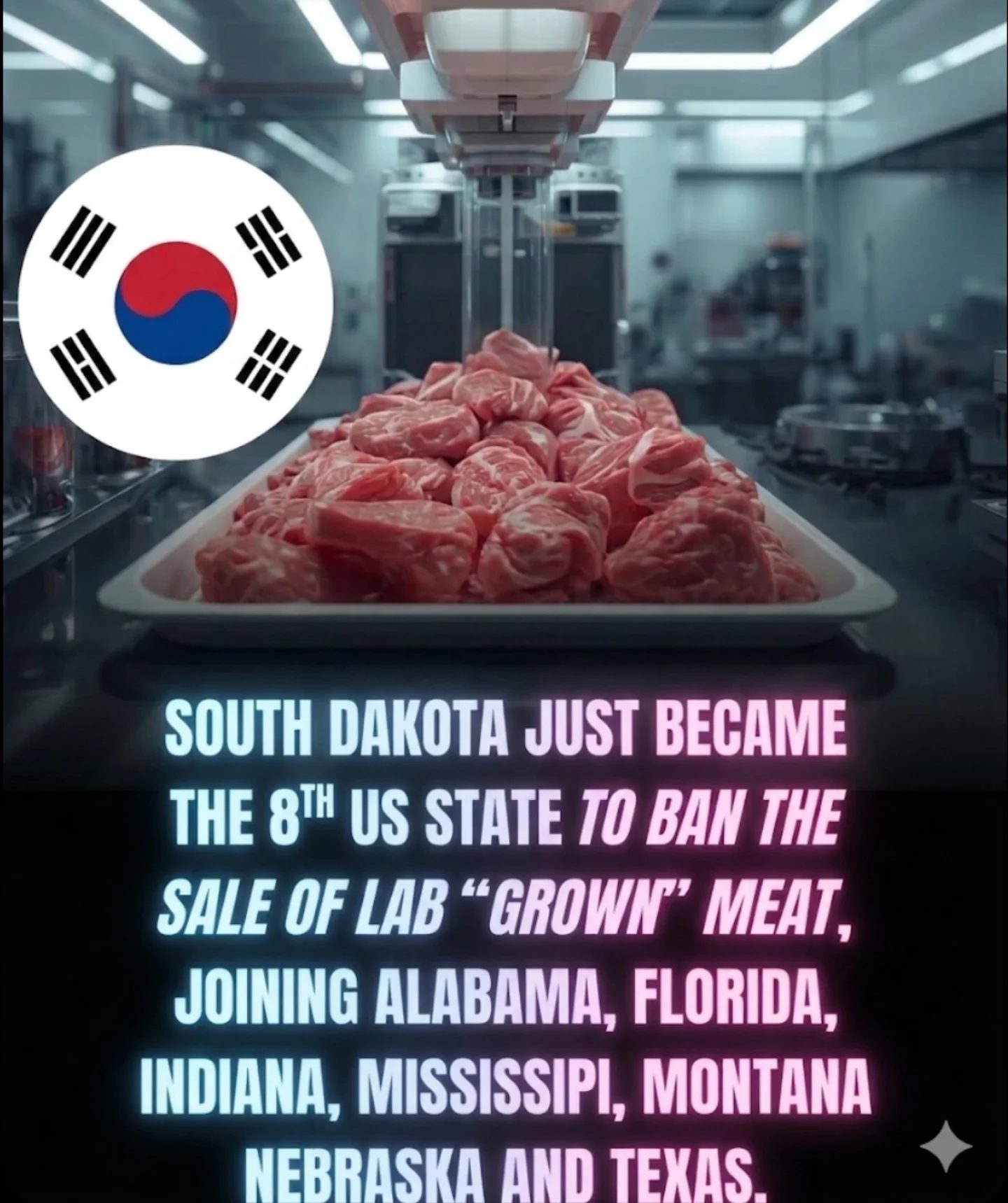
Several U.S. states have enacted bans on the sale and production of lab-grown meat, driven by concerns for traditional livestock industries and food safety. South Dakota, for instance, recently became the 8th U.S. state to implement such a ban, joining Alabama, Florida, Indiana, Mississippi, Montana, Nebraska, and Texas. These bans are part of a broader effort to safeguard rural economies from the perceived threats of laboratory-grown alternatives.
Labeling Requirements and Safety Concerns
States like Texas and Nebraska have focused on restrictive labeling requirements, mandating that lab-grown meat be clearly labeled as such. These measures aim to ensure transparency and address consumer concerns about the safety and authenticity of lab-grown products. The bans and regulations reflect a cautious approach to embracing new technologies, prioritizing the protection of established industries and ensuring that food safety standards are met.
South Korea: Embracing Innovation for Food Security
Regulatory "Free Zones" and Investment
In stark contrast to the United States, South Korea has positioned itself as a global leader in lab-grown meat technology. The country has established regulatory "free zones" to foster innovation and investment in this sector. South Korea's aggressive stance is driven by a desire to enhance national food security and reduce dependence on imports. By investing heavily in the technology, South Korea aims to become a pioneer in the global lab-grown meat market, leveraging its technological prowess to secure a competitive edge.
Food Security and Technological Advancement
South Korea's approach underscores the potential of lab-grown meat to address food security challenges. As a country that relies heavily on food imports, South Korea sees lab-grown meat as a strategic solution to ensure a stable and secure food supply. This forward-thinking approach highlights the economic and geopolitical advantages of embracing advanced food technologies.
Practical Tips for Understanding the Divide
Stay Informed About Regulatory Changes
Given the rapidly evolving regulatory landscape, it is essential to stay informed about changes in policies and regulations related to lab-grown meat. This information can help stakeholders, including consumers, producers, and policymakers, navigate the complexities of this emerging industry.
Engage in Dialogue
Engaging in open dialogue with stakeholders from different sectors can foster a better understanding of the diverse perspectives on lab-grown meat. This includes discussions with traditional farmers, food safety experts, and technology innovators to promote a balanced approach that considers all aspects of the issue.
Support Research and Development
Supporting research and development in lab-grown meat technology can help address concerns about food safety and sustainability. This includes funding studies on the nutritional value, safety, and environmental impact of lab-grown meat, as well as investing in technological advancements to improve the production process.
Important Takeaways
The debate surrounding lab-grown meat highlights a broader geopolitical and economic divide between traditional agricultural preservation and the pursuit of advanced food technology. The United States' cautious approach, with bans and restrictive labeling requirements, contrasts sharply with South Korea's proactive stance, which emphasizes innovation and investment. This divide underscores the need for a nuanced understanding of the benefits and challenges of lab-grown meat, as well as the importance of regulatory frameworks that balance innovation with safety and sustainability.
Conclusion
The emergence of lab-grown meat presents a transformative opportunity for the food industry, offering potential solutions to ethical, environmental, and food security challenges. However, the divergent approaches of the United States and South Korea reflect the complex nature of this issue. As the technology continues to evolve, it is crucial to engage in open dialogue, stay informed about regulatory changes, and support research and development. By doing so, we can foster a more informed and balanced approach to the future of food, ensuring that it is safe, sustainable, and equitable for all stakeholders.
Watch the Reel
Questions readers ask
Which states have banned lab-grown meat alongside South Dakota?
South Dakota has joined Alabama, Florida, Indiana, Nebraska, Texas, and two other states in banning lab-grown meat. These states have implemented regulations to restrict the sales and production of lab grown meat.
What are the primary reasons behind the ban on lab-grown meat in South Dakota and other states?
The primary reasons cited for banning lab-grown meat include concerns for the traditional livestock industries, which could be significantly impacted by this new technology, as well as potential food safety issues that may arise from this innovative process.
How does the regulation of lab-grown meat differ between the United States and South Korea?
The United States and South Korea have taken vastly different approaches to lab-grown meat. The United States has seen a surge in states implementing bans, while South Korea has been more accepting, actively investing in and promoting the technology.
What are the potential benefits of lab-grown meat that advocates are pushing for?
Advocates of lab-grown meat highlight several benefits, including reduced greenhouse gas emissions, conservation of land and water resources, and addressing food security challenges. Additionally, lab-grown meat could alleviate ethical concerns related to animal welfare.
How does the ban on lab-grown meat affect the development of sustainable food technologies?
The ban on lab-grown meat in these states could potentially slow down the development and adoption of sustainable food technologies, as regulations may limit research, investment, and innovation in this field. This has significant implications for the future of food production and sustainability.
What are the concerns raised by the livestock industry regarding lab-grown meat?
The livestock industry has expressed concerns that lab-grown meat could disrupt traditional farming practices and negatively impact the economy of rural communities. Additionally, there are worries about the potential economic consequences if consumers shift towards lab-grown meat.
Where can I find more information about the regulations surrounding lab-grown meat in the United States?
For the most accurate and up-to-date information, you should refer to the official state legislation and regulatory bodies in each state. Additionally, industry reports and news articles can provide insights into the current state of lab-grown meat regulations in the United States.
Recent articles
Fresh deep dives from the latest Reels we unpacked.




Comments
Be the first to comment.