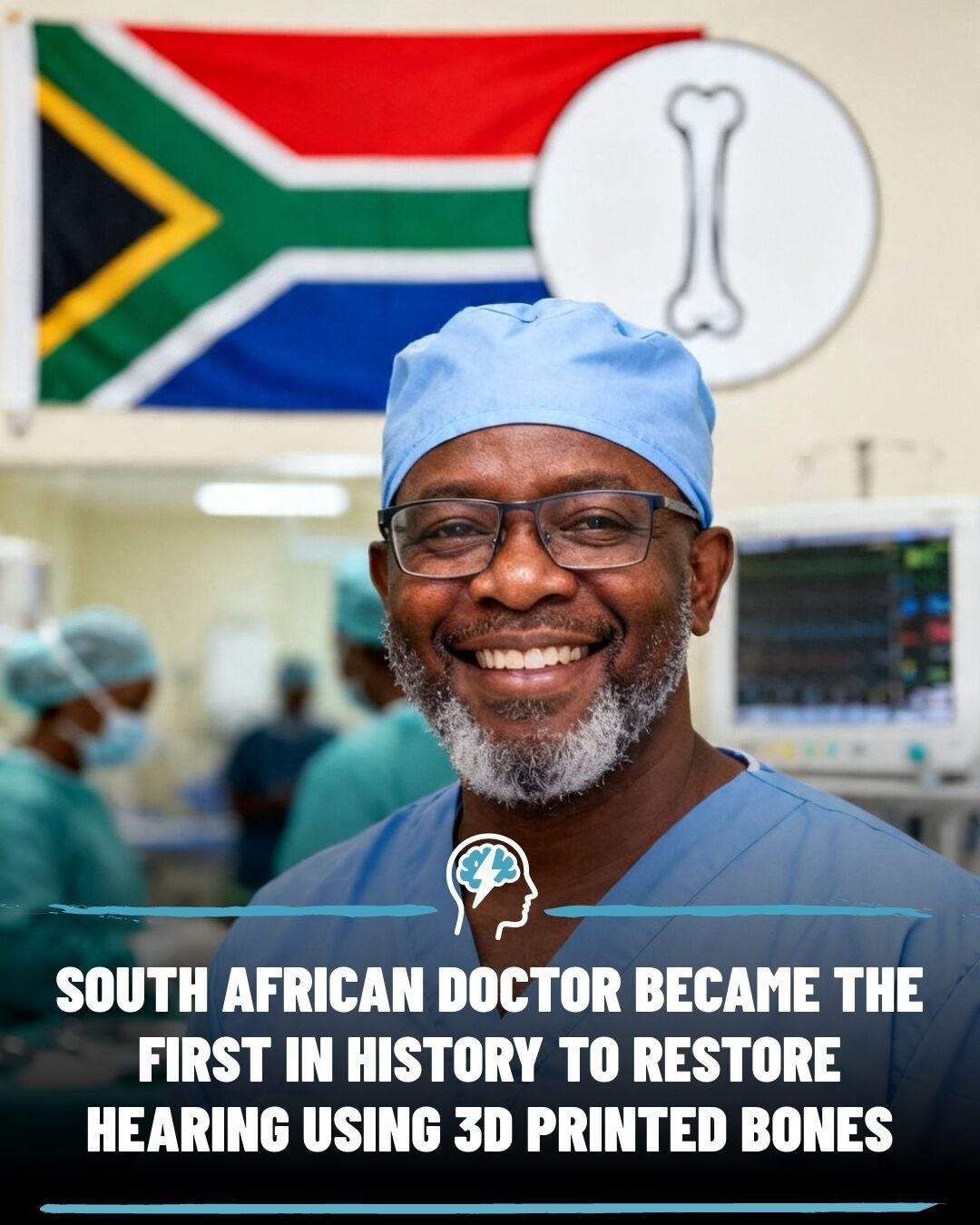
3D-Printed Bones: Revolutionizing Hearing Restoration
In 2019, a groundbreaking medical procedure in South Africa marked a new era in hearing restoration. Professor Mashudu Tshifularo performed the world’s first middle ear transplant using custom 3D-printed titanium prostheses. This innovation has opened new possibilities for individuals suffering from conductive hearing loss, a condition that affects millions worldwide.
Why This Matters
Conductive hearing loss occurs when sound vibrations are unable to reach the inner ear due to damage or underdevelopment of the tiny bones in the middle ear: the hammer (malleus), anvil (incus), and stirrup (stapes). Traditional treatments for this condition have had limitations, but the advent of 3D-printed bones offers a promising new pathway.
Understanding Conductive Hearing Loss
Conductive hearing loss can result from a variety of factors, including birth defects, chronic infections, trauma, or metabolic diseases. Traditional treatments, such as hearing aids or surgical interventions, have had varying degrees of success. However, these methods often come with limitations, such as discomfort, limited effectiveness, or the need for repeated procedures.
The Role of 3D-Printed Bones
3D-printed bones represent a significant technological advancement in treating conductive hearing loss. These custom titanium prostheses are created using patient-specific imaging scans, ensuring a precise fit for each individual. This personalized approach addresses the unique anatomical variations in the middle ear, which can be critical for effective treatment.
How 3D-Printed Bones Work
The process begins with detailed imaging scans of the patient's ear. These scans provide the precise measurements needed to create a 3D model of the patient's middle ear. Using this model, a custom titanium prosthesis is 3D-printed to match the size, shape, and weight of the damaged bone. The procedure, which typically takes less than two hours, is minimally invasive, utilizing an endoscope for precision and reduced patient trauma. This makes the procedure suitable for patients of all ages, from newborns to adults.
Main Discussion
Innovations in Medical Technology
The use of 3D printing in medical applications has been growing rapidly, and the success of 3D-printed bones in restoring hearing is a testament to its potential. This technology allows for unprecedented customization, which can lead to better outcomes and fewer complications. By using patient-specific data, doctors can create implants that are tailored to the individual's anatomy, reducing the risk of rejection or malfunction.
The Surgical Procedure
The surgical procedure for implanting 3D-printed bones is designed to be as minimally invasive as possible. The endoscope allows surgeons to view the surgical site in high detail, which is crucial for the precision required in middle ear surgery. The surgery typically takes less than two hours, and the titanium material used for the prostheses is biocompatible, reducing the risk of infection or allergic reactions.
Patient Outcomes
The outcomes of this procedure have been encouraging. Patients who have undergone the surgery have reported significant improvements in their hearing, which has had a profound impact on their quality of life. The ability to hear clearly can improve communication, social interactions, and even cognitive function, making this a life-changing intervention for many patients.
Practical Tips
If you or someone you know is considering this procedure, it's important to understand the following:
-
Consult Specialists: Seek out professionals who specialize in conductive hearing loss and have experience with 3D-printed implants. Their expertise will be crucial in determining if you are a suitable candidate for the procedure.
-
Understand the Limitations: While 3D-printed bones offer a new pathway for hearing restoration, it's important to understand that outcomes can vary by individual. This procedure specifically addresses conductive hearing loss and may not be suitable for all types of hearing impairment.
-
Prepare for Recovery: Like any surgical procedure, there will be a recovery period. Follow your doctor's post-operative instructions carefully to ensure the best possible outcome.
-
Consider the Costs: 3D-printed implants can be expensive, and insurance coverage may vary. Be prepared to discuss financing options with your healthcare provider.
Important Takeaways
The success of 3D-printed bones in restoring hearing highlights the transformative potential of medical technology. This innovation offers a new pathway for treating conductive hearing loss, providing hope to millions of people worldwide. However, it's essential to approach this procedure with realistic expectations, understanding that outcomes can vary and the procedure may not be suitable for everyone.
Conclusion
3D-printed bones represent a significant advancement in medical technology, offering a new and effective way to treat conductive hearing loss. The innovation of using custom titanium prostheses, tailored to each patient's unique anatomy, marks a new era in hearing restoration. This breakthrough underscores the power of combining accessible technology with precise surgical techniques, opening new possibilities for those affected by hearing loss. As medical technology continues to evolve, we can look forward to even more innovative solutions that improve the lives of countless individuals.
Watch the Reel
Questions readers ask
How do 3D-printed bones help in hearing restoration?
3D-printed bones are used to create custom titanium prostheses that replace the tiny bones in the middle ear, which can be damaged or underdeveloped in individuals with conductive hearing loss. This allows sound vibrations to reach the inner ear, restoring hearing.
Who pioneered the use of 3D-printed bones in hearing restoration?
Professor Mashudu Tshifularo, a South African doctor, performed the world's first middle ear transplant using 3D-printed titanium prostheses in 2019.
What is conductive hearing loss and how does this procedure address it?
Conductive hearing loss occurs when sound vibrations are unable to reach the inner ear due to damage or underdevelopment of the middle ear bones. The 3D-printed bone transplant procedure addresses this by replacing the damaged bones with custom 3D-printed titanium prostheses, allowing sound vibrations to travel to the inner ear.
What are the benefits of using 3D-printed titanium prostheses for middle ear transplants?
3D-printed titanium prostheses offer several benefits, including being tailored to each patient's unique anatomy, which can improve treatment outcomes. Additionally, the use of titanium ensures that the prostheses are strong, durable, and biocompatible.
How does the 3D printing process work in creating these prostheses?
The 3D printing process involves creating a digital model of the patient's middle ear, designing the custom prosthesis, and then using a 3D printer to fabricate the titanium implant, which can be surgically implanted to restore hearing.
Can 3D-printed bones be used for other types of surgeries?
Yes, 3D-printed bones and other 3D-printed implants are also being explored for use in various surgeries in orthopedics, dentistry, and more. The customization and biocompatibility of 3D-printed implants make them a versatile option for many surgical applications, including auricular restoration.
What is the significance of this procedure for people with conductive hearing loss?
This procedure offers new hope for individuals with conductive hearing loss by providing a precise, customized solution. It has the potential to significantly improve the quality of life for millions of people worldwide who suffer from this condition.
Related deep dives
Similar reads based on topic and creator.




Recent articles
Fresh deep dives from the latest Reels we unpacked.




Comments
Be the first to comment.