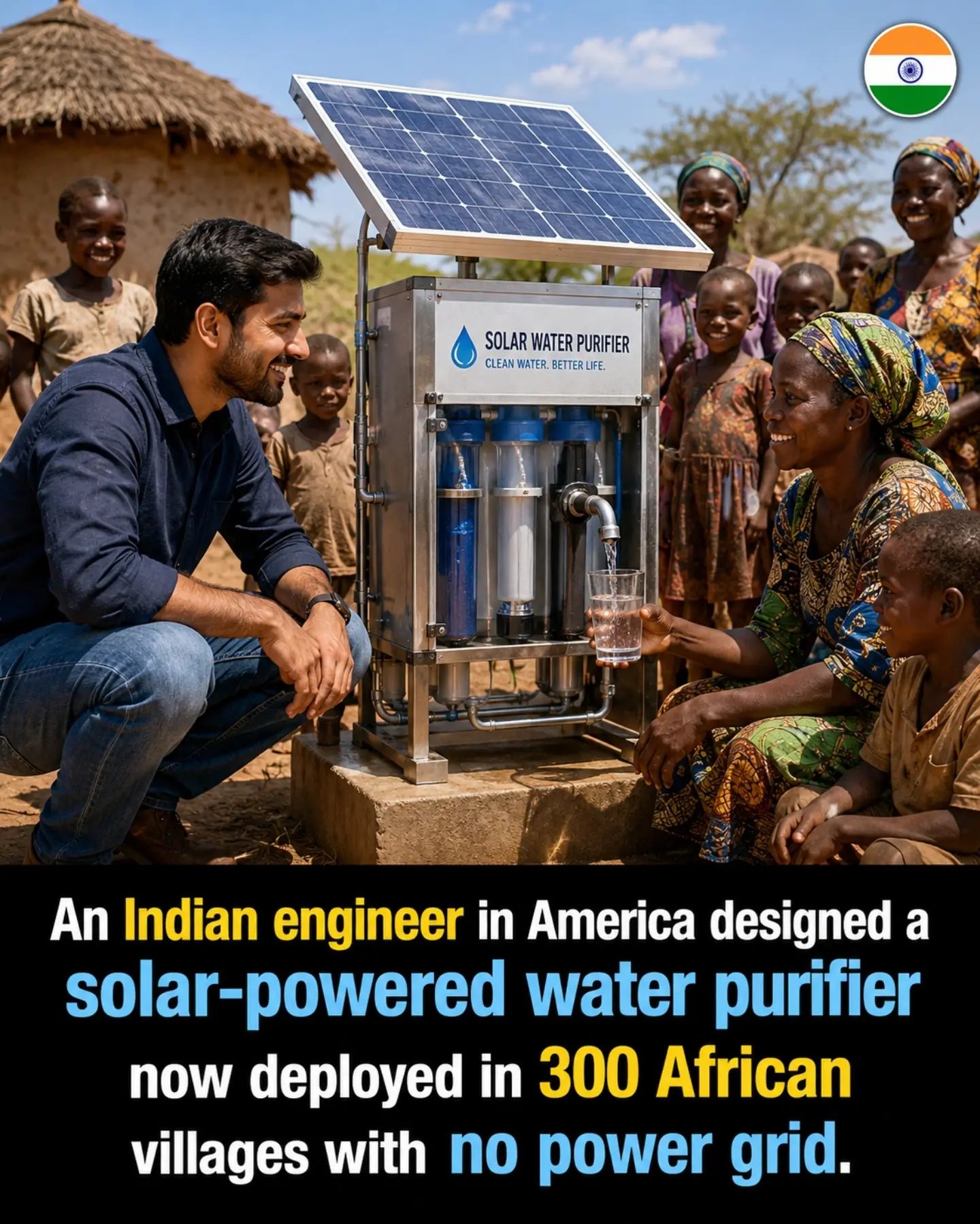
Solar Water Purifiers: Providing Clean Water to Off-Grid Communities
Solar water purifiers offer a lifeline in areas where access to clean water and electricity is limited. This technology is a game-changer, particularly in remote and rural communities where conventional water treatment methods are impractical. Let's explore how solar-powered water purifiers work, their benefits, and their impact on communities.
Why Access to Clean Water Matters
Access to clean water is a fundamental human need, essential for health, sanitation, and overall quality of life. In many parts of the world, especially in remote and rural areas, access to clean water is a significant challenge. Traditional water purification methods often require electricity or other resources that are not readily available. Solar water purifiers address this by harnessing the power of the sun to purify water, making it a sustainable and efficient solution.
The Technology Behind Solar Water Purifiers
Solar water purifiers use solar energy to drive the purification process. The basic components of a solar water purifier include:
- Solar panels: These capture sunlight and convert it into electrical energy.
- Filtration system: This removes impurities and contaminants from the water.
- UV sterilization: This uses ultraviolet light to kill bacteria and viruses.
- Storage tanks: These hold the purified water for distribution.
The solar panels power the filtration and sterilization processes, ensuring that the water is safe to drink without the need for an external power source.
How Solar Water Purifiers Work
The process typically involves several stages:
- Collection: Water is collected from local sources such as rivers, wells, or rainwater.
- Pre-Filtration: Water passes through a pre-filter to remove larger particles and sediment.
- Filtration: The water then goes through a multi-stage filtration process that removes smaller particles, including bacteria and protozoa.
- UV Sterilization: The filtered water is exposed to ultraviolet light, which kills any remaining microorganisms.
- Storage: The purified water is stored in clean containers or tanks for use.
This multi-step process ensures that the water is thoroughly purified and safe for consumption.
Benefits of Solar Water Purifiers
Solar water purifiers offer numerous benefits, especially in areas without access to electricity.
Sustainability
Solar-powered devices rely on a renewable energy source, reducing the carbon footprint and dependence on fossil fuels. This makes them an eco-friendly option.
Cost-Effective
While the initial cost of a solar water purifier can be higher than other methods, the long-term savings on energy and maintenance make it a cost-effective solution. Additionally, the lack of recurring energy costs makes it affordable for communities.
Reliability
Solar power is a reliable energy source in many parts of the world, including remote and rural areas. This ensures that the purifier can operate continuously, providing a steady supply of clean water.
Impact on Communities
Clean Water for Better Health
Access to clean water significantly improves public health by reducing the incidence of waterborne diseases. This is particularly important in communities where health care services are limited.
Economic Benefits
Having a reliable source of clean water can boost local economies. For example, farmers can use the purified water to grow crops, and local businesses can operate without the risk of water-related illnesses.
Community Empowerment
Solar water purifiers can empower communities by providing them with a sustainable solution to their water needs. This can lead to increased self-sufficiency and improved quality of life.
Practical Tips for Implementing Solar Water Purifiers
Implementing solar water purifiers in communities requires careful planning and consideration. Here are some practical tips:
- Assess Needs: Conduct a thorough assessment of the community's water needs and available resources. This will help determine the size and capacity of the purifier required.
- Seek Community Support: Engage the community in the planning and implementation process. Their involvement can ensure that the purifier meets their specific needs and is accepted by the community.
- Choose the Right Technology: Select a solar water purifier that is suitable for the local conditions and available resources. Consider factors such as water source, sunlight availability, and maintenance requirements.
- Training and Maintenance: Provide training to local residents on how to operate and maintain the purifier. Regular maintenance is crucial to ensure the longevity and effectiveness of the system.
Building a Sustainable Future
Solar water purifiers represent a significant step toward building a sustainable future. By providing clean water to communities in need, they help improve health, support economic development, and empower communities. As technology advances, solar water purifiers are becoming more efficient and affordable, making them an increasingly viable solution for communities around the world. Their impact extends beyond providing clean water; they symbolize hope and a better quality of life for those in need.
Important Takeaways
The deployment of solar water purifiers in African villages highlights the potential of solar-powered technology to address critical issues in off-grid communities. By harnessing the sun's energy, these devices provide a sustainable and efficient solution to water purification, improving health, economic prospects, and overall quality of life. This technology is a testament to human ingenuity and the power of innovation in solving real-world problems.
In an era where access to clean water is still a challenge for many, solar water purifiers offer a beacon of hope. They not only provide a practical solution but also demonstrate the potential of renewable energy to transform lives. As more communities adopt this technology, the benefits will ripple through generations, creating a lasting impact on health, education, and economic development.
Conclusion
Solar water purifiers are a powerful tool for providing clean water to off-grid communities. They leverage renewable energy to create a sustainable and effective solution to a critical global issue. Whether in rural villages or disaster-affected areas, these devices can transform lives and bring communities closer to a healthier, more prosperous future. As technology continues to advance, the potential for solar water purifiers to make a positive impact will only grow, ensuring that more people have access to the clean water they need to thrive.
Watch the Reel
Questions readers ask
How do solar water purifiers work to provide clean water in rural Africa?
Solar water purifiers use sunlight to heat water, effectively killing bacteria and making it safe to drink. These devices are designed to be simple and low-maintenance, making them ideal for remote areas. During the day, the sun's energy heats the water tank, which reaches temperatures high enough to purify the water.
What are the primary benefits of using solar water purifiers in off-grid communities?
Solar water purifiers offer a sustainable and cost-effective solution for communities lacking access to electricity. They improve health by reducing waterborne diseases and contribute to a community's self-sufficiency and resilience, while minimizing the need for expensive and maintenance-intensive infrastructure.
How are solar water purifiers deployed in rural African communities?
Solar water purifiers are deployed through various initiatives, often in collaboration with local organizations and governments. These projects typically involve distributing the devices to communities in need, providing training on their use and maintenance, and ensuring that the technology is sustainable and accessible for long-term use.
What impact do solar water purifiers have on communities?
Solar water purifiers significantly improve the quality of life in rural African communities, reducing disease, and improving overall health. The availability of clean water also supports improved sanitation and hygiene practices, which further contribute to community well-being.
Can solar water purifiers be used in other regions besides Africa?
Yes, solar water purifiers are versatile and can be used in any region where access to clean water and electricity is limited, particularly in remote or rural areas. This technology has been successfully implemented in various parts of the world, including Latin America and Asia, demonstrating its widespread applicability.
What challenges do clean water projects face in rural Africa?
Clean water projects in rural Africa often face challenges such as limited funding, infrastructure, and logistical hurdles. Additionally, maintenance and long-term sustainability of the technology can be issues. However, solar water purifiers are designed to be low-maintenance and sustainable, making them an effective solution to these challenges.
How can individuals support clean water initiatives in Africa?
Individuals can support clean water initiatives by donating to organizations involved in solar water purifier deployment, raising awareness about the importance of clean water access, and volunteering to assist with project implementation. Additionally, spreading awareness can help garner more support and resources for these vital initiatives.
Related deep dives
Similar reads based on topic and creator.




Recent articles
Fresh deep dives from the latest Reels we unpacked.




Comments
Be the first to comment.