Soda and Stomach Cancer Risk
Sugary drinks, particularly soda, have long been known to contribute to health issues like obesity and tooth decay. However, recent studies have shed light on an even more serious risk associated with daily soda consumption: stomach cancer. Understanding this link is crucial for making informed decisions about dietary habits.
Context: Why This Matters
Stomach cancer, also known as gastric cancer, is a significant public health concern. It is one of the leading causes of cancer-related deaths worldwide. While the exact causes of stomach cancer are not fully understood, dietary factors play a substantial role. The recent findings linking daily soda consumption to an increased risk of stomach cancer highlight the importance of monitoring and reducing intake of sugary drinks.
Main Discussion
The Connection Between Sugary Drinks and Stomach Cancer
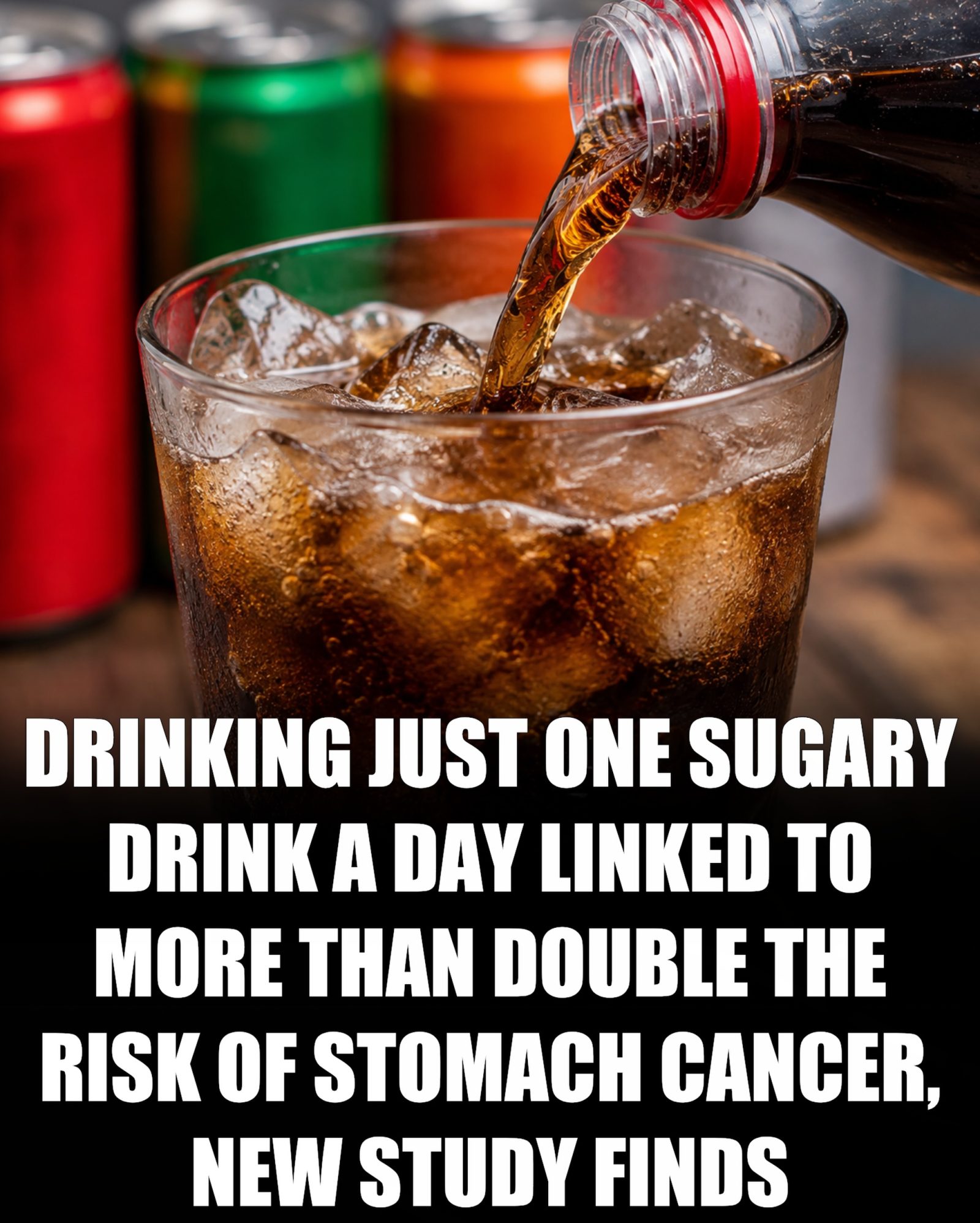
A new study has found that drinking just one sugary drink a day is linked to more than double the risk of stomach cancer. This finding is particularly alarming given the prevalence of sugary drinks in daily diets. The study suggests that the high sugar content in these drinks, combined with the acidic nature of many sodas, can create a harmful environment in the stomach. This environment can lead to chronic inflammation, which is a known risk factor for various types of cancer, including stomach cancer.
The Role of Sugar in Cancer Development
Sugar itself does not directly cause cancer, but it can contribute to conditions that increase the risk of cancer. When consumed in excess, sugar can lead to obesity, type 2 diabetes, and other metabolic disorders. These conditions are associated with chronic inflammation, which can damage cells and tissues, making them more susceptible to cancerous mutations. Additionally, the acidity of soda can erode the protective lining of the stomach, further increasing the risk of cancer.
The Impact of Daily Consumption
The study highlights that daily consumption of sugary drinks is particularly problematic. Regular intake of these beverages can lead to a steady intake of harmful substances, increasing the risk of various health issues over time. The human stomach is not designed to handle the constant bombardment of sugar and acid, and this prolonged exposure can weaken the stomach's defenses against cancer.
Practical Tips
Reducing Soda Intake
Given the significant risks associated with daily soda consumption, reducing or eliminating soda from your diet is a crucial step towards better health. Here are some practical tips to help you cut back on soda:
Switch to Water
Water is the best alternative to soda. It is calorie-free, sugar-free, and essential for your body's overall health. Start by replacing one soda a day with water and gradually increase the number of replacements.
Explore Healthier Beverage Options
There are many healthier alternatives to soda, such as sparkling water with a squeeze of lime or lemon, herbal teas, and fruit-infused water. Experiment with different flavors to find what you like best.
Gradual Reductions
Abruptly cutting out soda can be challenging. Instead, try gradually reducing your intake. For example, if you drink three sodas a day, cut down to two for a week, then to one, and finally to none.
Mindful Eating and Drinking
Practice mindfulness when it comes to your diet. Pay attention to what you are eating and drinking, and try to understand the impact it has on your body. This awareness can help you make healthier choices.
Important Takeaways
The recent study linking daily soda consumption to an increased risk of stomach cancer underscores the importance of monitoring and reducing intake of sugary drinks. The high sugar and acidic content in sodas can create a harmful environment in the stomach, leading to chronic inflammation and increasing the risk of cancer. By understanding the connection between soda and stomach cancer, and taking practical steps to reduce soda intake, you can take control of your health and lower your risk of this serious condition.
Conclusion
Sugar has always been a topic of debate in nutritional circles. The recent study on soda and stomach cancer risk adds another layer to the conversation, highlighting the need to take a closer look at daily sugar consumption. While soda provides a quick sugar fix, the long-term health implications are more significant. By making small changes to your diet now, you can protect your health and well-being for years to come.
Watch the Reel
Questions readers ask
How does daily soda consumption increase the risk of stomach cancer?
Daily soda consumption can increase the risk of stomach cancer by contributing to chronic inflammation and erosion of the stomach lining, which can create an environment conducive to cancer development. The high sugar content in soda promotes inflammation, while the acidity can wear down the protective mucus layer of the stomach, leading to potential damage and increased cancer risk.
What are the key findings from the study on soda and stomach cancer?
The study highlights that regular intake of sugary drinks, like soda, is associated with a higher risk of stomach cancer. It emphasizes the role of chronic inflammation and stomach lining erosion caused by soda consumption in this increased risk.
What are the recommended limits for daily soda intake to mitigate stomach cancer risk?
To mitigate the risk of stomach cancer, it is recommended to limit daily soda intake. While specific limits can vary, reducing consumption to less than one serving per day is a good starting point. Opting for healthier beverages like water, tea, or juice can further help reduce these risks.
How does soda consumption compare to other dietary factors in stomach cancer risk?
Soda consumption is one of several dietary factors that can increase the risk of stomach cancer. Other factors include a diet high in salt and processed meats, as well as low intake of fruits and vegetables. Limiting soda consumption, along with maintaining a balanced diet, can help reduce the overall risk of stomach cancer.
What are some symptoms of stomach cancer that people should be aware of?
Symptoms of stomach cancer can include persistent stomach pain, discomfort, or bloating, nausea, vomiting, unexplained weight loss, and difficulty swallowing. If you experience these symptoms regularly, it is important to consult with a healthcare provider for a proper evaluation.
Can reducing soda intake help reverse the damages to the stomach lining?
Reducing soda intake can help mitigate further damage to the stomach lining and allow it to heal over time. However, any damage already caused by long-term soda consumption may not be fully reversible. It is best to limit soda intake to prevent additional harm and to promote overall stomach health.
What are some alternatives to soda that are healthier for the stomach?
Healthier alternatives to soda include water, herbal tea, and fruit-infused water. These beverages can help maintain proper hydration without the added sugars and acids found in soda, which can erode the stomach lining and contribute to inflammation. Switching to these alternatives can help promote better stomach health.
Related deep dives
Similar reads based on topic and creator.



Recent articles
Fresh deep dives from the latest Reels we unpacked.




Comments
Be the first to comment.