Mountain Sunsets: A Photographic Journey
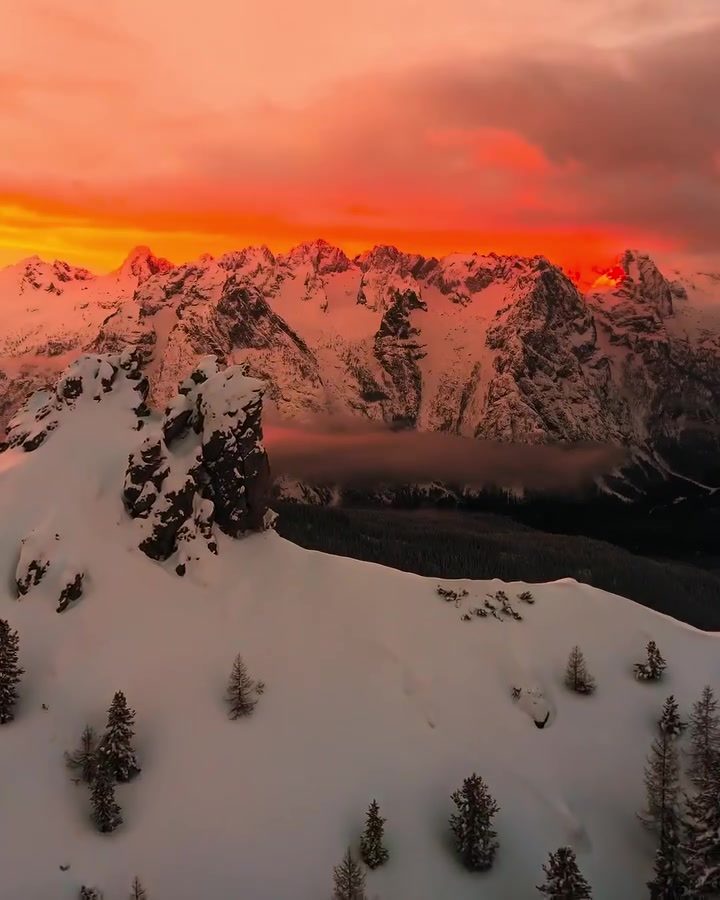
The allure of mountain sunsets is undeniable, offering a breathtaking blend of natural beauty and serene tranquility. The vibrant hues of the sky, the contrasting snow-capped peaks, and the dense evergreen forests create a visual symphony that captivates photographers and nature enthusiasts alike.
Why This Matters
Mountain sunsets are more than just a beautiful sight; they are a testament to the raw and unspoiled beauty of nature. These landscapes provide a sense of peace and awe, making them a popular subject for photographers and travelers. Understanding the elements that make up a stunning mountain sunset can enhance appreciation and inspire capturing these moments.
Photographic Elements of a Mountain Sunset
The Role of Light
The warm glow of a sunset is the star of the show in a mountain sunset. As the sun dips below the horizon, it casts a rich, golden light that illuminates the landscape. This light is particularly striking when it reflects off the snow-covered peaks, creating a dazzling contrast with the fiery orange and red hues of the sky. These hues deepen and intensify as the sun sets, adding drama to the scene.
Mountain Scenery
Mountains themselves are majestic, but during a sunset, they become even more striking. The snow-capped peaks stand out against the vibrant sky, creating a mesmerizing contrast. The evergreen forests that cover the lower slopes add a layer of depth and texture, providing a rich backdrop for the dramatic play of light and color.
Panoramic Views
A panoramic view is essential for capturing the full splendor of a mountain sunset. This wide-angle perspective allows the viewer to take in the entire scene, from the distant peaks to the dense forests and the expansive sky. The panoramic view provides a sense of the grandeur and scale of the landscape, making the experience more immersive.
Key Features of a Mountain Sunset
Vivid Sunset Colors
The colors of a sunset are what make it truly memorable. The fiery orange and red hues create a spectacular display in the sky, reflecting off the snowy peaks and casting a warm glow over the landscape. These colors change dynamically as the sun descends, offering a range of shades from soft pastels to intense, fiery tones.
Snow-Covered Peaks
The white snow on the mountain peaks provides a stark contrast to the vibrant sky, making the mountains stand out dramatically. The snow also reflects the warm light of the setting sun, adding to the overall luminescence of the scene. The crisp, white peaks create a sense of purity and tranquility, enhancing the aesthetic appeal of the landscape.
Evergreen Forests
The dense evergreen forests cover the lower slopes of the mountains, providing a rich, dark backdrop that highlights the bright colors of the sunset. The contrast between the dark greenery and the light, vibrant sky creates a visually striking composition. The forests also add depth and texture to the scene, making it more dynamic and interesting to explore.
Practical Tips for Capturing a Mountain Sunset
Choosing the Right Location
Selecting the right location is crucial for capturing a stunning mountain sunset. Look for a spot that offers an unobstructed view of the mountains and the sky. A high vantage point can provide a panoramic view, while a lower viewpoint can offer a more intimate perspective.
Timing Your Photography
Timing is everything when it comes to capturing a mountain sunset. The best time to start shooting is about 30 minutes to an hour before the sun actually sets. This golden hour provides the most flattering light for your photographs. Keep shooting as the sun sets and the colors in the sky change, as the most dramatic moments often occur just after the sun dips below the horizon.
Using the Right Equipment
A wide-angle lens is ideal for capturing the expansive views of a mountain sunset. This type of lens allows you to include both the mountains and the sky in a single frame, creating a panoramic effect. A tripod is also essential for stability, especially in low-light conditions. Additionally, using a remote shutter release or the self-timer can help minimize camera shake.
Composition Techniques
Pay attention to the rule of thirds, which suggests placing the main subject (in this case, the mountains or the sky) off-center to create a more balanced and interesting composition. Leading lines, such as the edges of the mountains or forest trails, can guide the viewer's eye through the scene and create a sense of depth. Frame the shot with elements like trees or rocks to add context and depth.
Post-Processing Tips
Post-processing can enhance the natural beauty of a mountain sunset. Adjust the exposure, contrast, and saturation to bring out the vibrant colors of the sky and the snow. Use tools like shadows adjustment to enhance detail in the darker areas. Additionally, consider using a gradient filter to balance the exposure between the bright sky and the darker landscape.
Important Takeaways
Mountain sunsets are a visual feast, offering a unique blend of natural beauty and artistic composition. The key elements—vibrant sunset colors, snow-capped peaks, and evergreen forests—create a dramatic tableau that is both awe-inspiring and serene. Capturing the essence of a mountain sunset requires the right location, timing, equipment, and composition techniques. By understanding and practicing these elements, you can create stunning photographs that capture the breathtaking splendor of these natural wonders.
Conclusion
The allure of mountain sunsets lies in their ability to evoke a sense of wonder and tranquility. Whether you are a seasoned photographer or a nature enthusiast, the majestic beauty of these landscapes is a timeless attraction. By appreciating the elements that make up a stunning mountain sunset and employing the right techniques, you can capture the essence of these moments and treasure them for years to come.
Watch the Reel
Questions readers ask
What makes snow-capped mountains an ideal backdrop for sunsets?
Snow-capped mountains enhance the beauty of sunsets by providing a stark, contrasting backdrop. The white snow reflects the warm hues of the setting sun, creating a dazzling display of light and color, and highlighting the natural beauty of the landscape. Additionally, the snow-capped peaks add a sense of depth and dimension to the panoramic views.
How can I enhance my mountain sunset photography?
To enhance your mountain sunset photography, consider the following tips: Use a tripod for stability, especially in low light. Experiment with different compositions, such as the rule of thirds, to make the most of the scenery. Pay attention to the light and use it to create a warm glow. Lastly, use a lens with a wide field of view to capture the expansive panoramic views and fiery sunsets.
What are the best times to capture the vibrant sunset hues in the mountains?
The vibrant sunset hues in the mountains are typically most visible during the golden hour, which occurs just before sunset. This period offers a soft, warm glow that accentuates the natural beauty of the landscape. Additionally, the blue hour, which follows the golden hour, can also provide stunning, cool-toned hues, adding to the visual storytelling of your scenic photographs.
Are there specific locations known for their stunning mountain sunset views?
Some locations known for their stunning mountain sunset views include Rocky Mountain National Park, Colorado; Yosemite National Park, California; and the Grand Tetons, Wyoming. These areas provide breathtaking panoramic views, vibrant sunset hues, and snow-capped peaks, making them ideal for capturing sunsets. Researching local trails and viewpoints can help you find the perfect spot to capture the beauty of these landscapes.
I'm a beginner in mountain photography. What should I focus on to capture the perfect mountain sunset?
As a beginner, focus on understanding and utilizing the available light. The interplay of light and shadow in a mountain sunset can create captivating visuals. Start with easy-to-use settings on your camera, such as aperture priority or landscape mode. Familiarize yourself with the composition techniques. Practice capturing the snow-capped peaks, panoramic views and vibrant sunset hues during the golden hour.
What is the best equipment for capturing mountain sunsets?
For capturing mountain sunsets, a DSLR or mirrorless camera with a wide-angle lens is ideal. A tripod is essential for stability, especially in low light. Additionally, consider using a neutral density filter to balance the exposure between the bright sky and darker foreground. Camera settings should be configured to handle the dynamic range of the scene, and a remote shutter release can help minimize camera shake.
How does the weather affect mountain sunset photography?
The weather can significantly impact mountain sunset photography. Clear skies can produce vibrant sunset hues, while clouds can create dramatic and fiery sunsets. Fog or mist can add an ethereal quality to the scene. Always check the weather forecast before heading out, and be prepared for changing conditions. Sometimes, overcast skies can provide unique opportunities for capturing the warm glow of the setting sun.
Related deep dives
Similar reads based on topic and creator.



Recent articles
Fresh deep dives from the latest Reels we unpacked.




Comments
Be the first to comment.