Wi-Fi Password Cracking with a Smartwatch
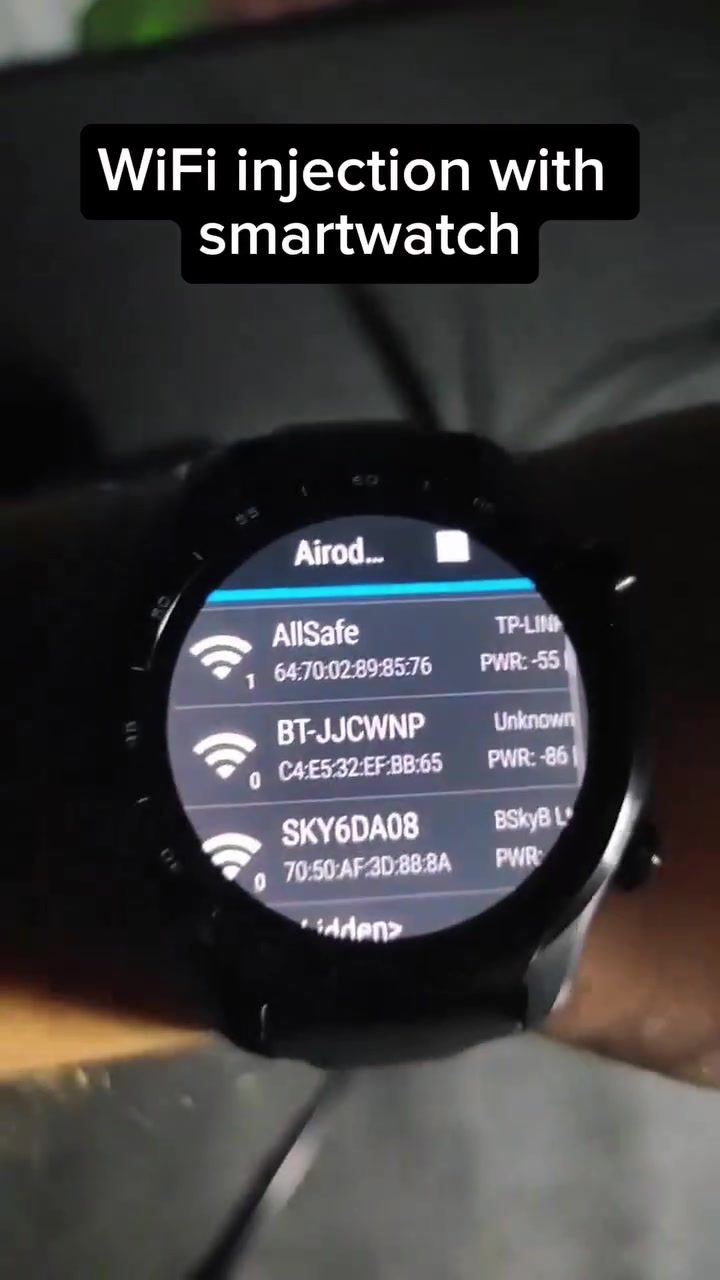
Wi-Fi password cracking using a smartwatch is a topic that has emerged recently, highlighting the potential vulnerabilities of Wi-Fi networks. This demonstration showcases how a smartwatch, specifically the TicWatch Pro 3, can be used to perform Wi-Fi injection and ultimately crack WPA2 passwords. The process involves capturing a WPA2 handshake and using a wordlist attack to decrypt the password.
Context / Why this Matters
The ability to crack Wi-Fi passwords using a smartwatch underscores the importance of securing wireless networks. With the increasing prevalence of smart devices, it's crucial to understand the potential risks and how to mitigate them. This demonstration not only showcases a novel method of Wi-Fi hacking but also emphasizes the need for robust security measures in both personal and professional settings.
Main Discussion
The Smartwatch and Wi-Fi Injection
The use of a smartwatch for Wi-Fi injection is a groundbreaking development in the field of cybersecurity. The process involves capturing a WPA2 handshake, which is the initial exchange of data that occurs when a device connects to a Wi-Fi network. This handshake can be intercepted and analyzed to extract the password. The demonstration shows how this can be done using the TicWatch Pro 3, a smartwatch known for its advanced capabilities.
Capturing the WPA2 Handshake
Capturing a WPA2 handshake is a critical step in the process. The smartwatch, running Kali NetHunter with the Hijacker app, intercepts the data exchange between a device and the Wi-Fi network. This data includes the necessary information to initiate a wordlist attack, which involves trying various passwords to find the correct one.
The Role of Kali NetHunter
Kali NetHunter is a powerful tool in the realm of cybersecurity. It is a mobile penetration testing platform that runs on Android devices, including smartwatches like the TicWatch Pro 3. The software allows for advanced network security testing, including Wi-Fi injection and password cracking. The demonstration highlights the effectiveness of Kali NetHunter in performing these tasks on a smartwatch, showcasing its versatility and power.
The Wordlist Attack
Once the WPA2 handshake is captured, the next step is to use a wordlist attack to crack the password. This involves trying a list of possible passwords until the correct one is found. The demonstration shows the smartwatch attempting to crack the password using a wordlist, successfully finding the password "samsepi0l." This method, while effective, underscores the need for strong, unique passwords to protect Wi-Fi networks.
Airod Hijacker
The Hijacker app, developed by Airod, plays a crucial role in this process. It is a powerful tool for Wi-Fi injection and password cracking, running on the smartwatch with Kali NetHunter. The app grants superuser rights, allowing for advanced network testing and security assessment. The demonstration showcases the app's ability to capture a WPA2 handshake and crack the password, highlighting its effectiveness in the field of cybersecurity.
Practical Tips
Securing Your Wi-Fi Network
Given the potential vulnerabilities demonstrated, it's essential to take steps to secure your Wi-Fi network. Here are some practical tips:
- Use Strong, Unique Passwords: Avoid using common or easily guessable passwords. Opt for a combination of letters, numbers, and special characters.
- Enable WPA3: If your router supports it, enable WPA3 encryption, which is more secure than WPA2.
- Regularly Update Firmware: Keep your router's firmware up to date to protect against known vulnerabilities.
- Limit Network Access: Restrict access to your Wi-Fi network by using MAC address filtering or guest networks.
- Disable WPS: Wi-Fi Protected Setup (WPS) can be a security risk, so it's best to disable it.
- Monitor Network Activity: Regularly check for unauthorized devices on your network and monitor for unusual activity.
Important Takeaways
The Evolving Threat Landscape
The demonstration highlights the evolving threat landscape in cybersecurity. As technology advances, so do the methods used by hackers. This underscores the need for continuous vigilance and the adoption of robust security measures.
The Power of Smart Devices
The use of a smartwatch for Wi-Fi injection and password cracking showcases the potential of smart devices in cybersecurity. While this can be a double-edged sword, it highlights the importance of understanding how to secure and protect these devices.
The Role of Tools and Software
Tools like Kali NetHunter and the Hijacker app play a crucial role in both offensive and defensive cybersecurity. Understanding how these tools work can help in both protecting networks and identifying vulnerabilities.
Conclusion
The ability to crack Wi-Fi passwords using a smartwatch is a significant development in the field of cybersecurity. It highlights the potential vulnerabilities of Wi-Fi networks and the importance of securing them. By understanding the methods used and taking practical steps to protect networks, individuals and organizations can better safeguard their digital assets. The demonstration showcases the power of smart devices and the tools available for cybersecurity, emphasizing the need for continuous learning and adaptation in this ever-evolving field.
Watch the Reel
Questions readers ask
Can any smartwatch be used to crack WPA2 passwords?
Not all smartwatches have the capability to crack WPA2 passwords. The TicWatch Pro 3, for example, has been demonstrated to perform this task due to its specific hardware and software capabilities. Other smartwatches may lack the necessary processing power or compatible software.
How does a smartwatch capture a WPA2 handshake?
A smartwatch, like the TicWatch Pro 3, can capture a WPA2 handshake by intercepting the communication between a device and a Wi-Fi access point. This is typically done using a compatible network injection tool, like Kalin Linux, installed on the smartwatch.
What is a wordlist attack and how does it relate to smartwatch Wi-Fi hacking?
A wordlist attack involves trying a large number of pre-computed passwords (a wordlist) to decrypt a captured WPA2 handshake. In the context of smartwatch Wi-Fi hacking, the smartwatch uses this method to attempt to guess the Wi-Fi network's password and gain access.
Is it illegal to crack a Wi-Fi password using a smartwatch?
Yes, it is illegal to crack a Wi-Fi password without explicit permission from the network owner. Unauthorized access to a wireless network is a criminal offense and can result in severe penalties, including fines and imprisonment.
What steps can I take to protect my Wi-Fi network from smartwatch hacking?
To protect your Wi-Fi network, use a strong, unique password and consider enabling network encryption methods beyond WPA2, such as WPA3. Regularly update your router's firmware and disable WLAN if you're not using it. Additionally, monitor your network for any unauthorized devices.
Can smartwatch Wi-Fi hacking be detected by the network owner?
Detecting smartwatch Wi-Fi hacking can be challenging, but there are signs to look out for, such as unusual network activity or unauthorized devices appearing on your network. Regularly checking your network's connected devices and using network monitoring tools can help identify potential intrusions.
What is the purpose of a Wi-Fi handshake?
A Wi-Fi handshake is the process that occurs between a device and a Wi-Fi access point to establish a secure connection. It involves the exchange of authentication and encryption keys. Capturing a WPA2 handshake is a crucial step in cracking WPA2 passwords, as it provides the necessary data to perform a wordlist or brute-force attack.
Related deep dives
Similar reads based on topic and creator.




Recent articles
Fresh deep dives from the latest Reels we unpacked.




Comments
Be the first to comment.