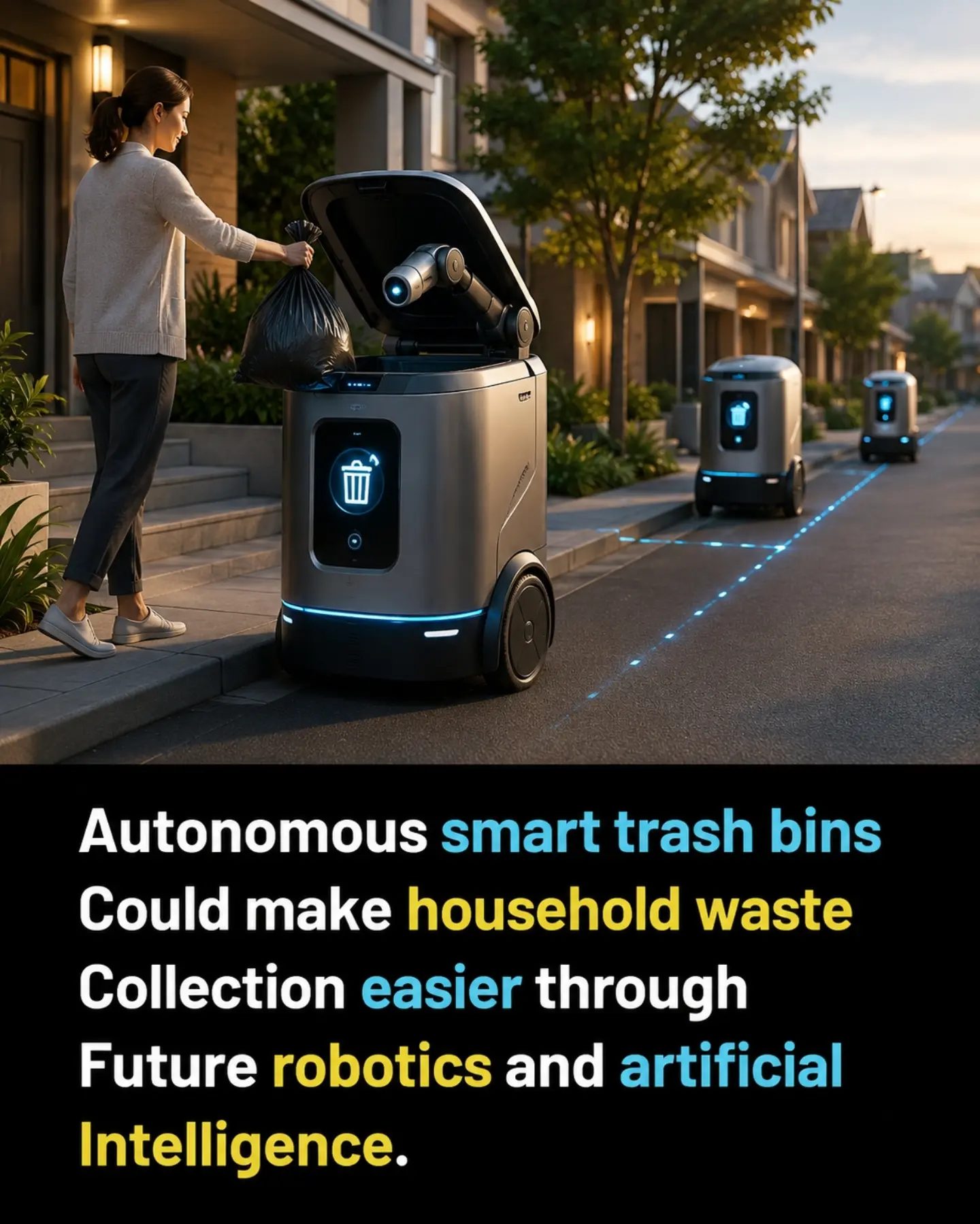
Autonomous Smart Trash Bins: Simplifying Household Waste Collection
Smart trash bins are increasingly making their way into our daily lives, promising to revolutionize waste collection. These innovative bins employ robotics and artificial intelligence (AI) to simplify how we manage household waste. Let's explore the future potential and current capabilities of autonomous smart trash bins.
Why This Matters
Efficient waste management is crucial for maintaining clean and healthy living environments. Traditional waste bins often require manual emptying, which can be time-consuming and unsanitary. Autonomous smart trash bins offer a solution, reducing the need for manual intervention and potentially enhancing hygiene and sustainability.
Main Discussion
How Autonomous Smart Trash Bins Work
Autonomous smart trash bins operate through a combination of robotics and AI. These bins can detect when they are full and can autonomously move to a designated collection point. The integration of AI allows them to adapt to different waste collection schedules and optimize their movements, ensuring that they are emptied at the most efficient times.
Benefits of Autonomous Smart Trash Bins
Enhanced Convenience
One of the primary advantages of using smart trash bins is the convenience they offer. With these bins, users no longer need to worry about manually emptying them, as they can handle this task themselves.
Improved Hygiene
Autonomous smart trash bins can help improve hygiene by reducing the need for human contact with waste. This not only keeps the living or working environment cleaner but also minimizes the spread of germs and odors.
Environmental Impact
Smart trash bins can contribute to a more sustainable future. By optimizing waste collection routes and schedules, they can reduce the carbon footprint associated with waste management. Additionally, some models can sort waste automatically, making recycling more efficient and effective.
Current Limitations and Challenges
While the prospects of smart trash bins are promising, there are still several challenges to overcome. The initial cost of these bins can be high, making them less accessible to some households. Additionally, the technology is still evolving, and there may be issues with reliability and maintenance.
Integration with Smart Home Systems
Many smart trash bins are designed to integrate seamlessly with other smart home systems. This integration allows users to manage their waste collection through a centralized app or voice assistant, adding an extra layer of convenience.
Future Developments
The future of autonomous smart trash bins looks bright. As AI and robotics continue to advance, these bins are expected to become more efficient, reliable, and affordable. Future models may also include additional features, such as advanced odor control and smart sensors that can detect and alert users to potential issues like overfilling or blockages.
Practical Tips
When considering the purchase of a smart trash bin, here are a few practical tips to keep in mind:
Assess Your Needs
Before making a purchase, assess your waste management needs. Consider the size of your household, the amount of waste generated, and the frequency of collection. This will help you choose a bin that meets your specific requirements.
Check Compatibility
Ensure that the smart trash bin you choose is compatible with your existing smart home systems. Compatibility with voice assistants and mobile apps can enhance the overall user experience.
Consider Maintenance Costs
While the initial cost is an important factor, don't overlook the maintenance costs. Regular upkeep and potential repairs should be factored into your budget.
Read Reviews
Reading reviews from other users can provide valuable insights into the performance and reliability of different models. Look for models with positive feedback and high ratings.
Trial Periods
If possible, opt for a model that offers a trial period. This allows you to test the bin's functionality and compatibility with your lifestyle before making a long-term commitment.
Important Takeaways
Autonomous smart trash bins represent a significant step forward in waste management. By leveraging robotics and AI, these bins offer enhanced convenience, improved hygiene, and environmental benefits. While there are still challenges to overcome, the future prospects for smart trash bins are promising.
As technology continues to evolve, these bins are expected to become more efficient and affordable, making them a viable option for more households. By assessing your needs, ensuring compatibility, considering maintenance costs, and reading reviews, you can make an informed decision when choosing a smart trash bin.
Conclusion
Autonomous smart trash bins are at the forefront of a new era in waste management. They offer a blend of convenience, efficiency, and sustainability that can transform how we handle household waste. As the technology advances, we can look forward to more innovative solutions that make our lives easier and our environment cleaner. Embrace the future of waste management with smart trash bins and experience the difference they can make in your daily life.
Watch the Reel
Questions readers ask
How do smart trash bins use AI in waste management?
Smart trash bins utilize AI for several purposes, including waste sorting, optimising collection routes, and predicting waste generation patterns. AI algorithms help these bins identify the type of waste, ensuring that recyclables and non-recyclables are separated efficiently, this reduces the workload on waste management facilities.
Can smart trash bins operate without human intervention?
Yes, smart trash bins are designed to operate autonomously. Using robotic systems, these bins can collect, sort, and compact waste, and even notify waste management services when they need to be emptied. This minimizes the need for manual handling, making the process more efficient and hygienic.
What are the benefits of smart bin technology for the environment?
Smart bin technology contributes to a more sustainable future by reducing waste overflow, minimizing litter, and optimizing the collection routes. By ensuring efficient waste sorting and reducing the number of trips needed to collect waste, smart bins help lower carbon emissions from waste collection vehicles, therefore promoting a greener environment.
How do smart trash bins enhance hygiene in waste management?
Smart trash bins enhance hygiene by minimizing manual handling of waste. With automated collection and sorting, the risk of contamination and exposure to harmful materials is significantly reduced. Additionally, these bins can be equipped with self-cleaning features, further enhancing sanitation standards.
What kind of waste can smart trash bins sort?
Smart trash bins can typically sort common types of household waste, including recyclables like plastic, paper, and metal, as well as organic waste and general trash. The AI systems in these bins are trained to recognize different materials, ensuring that waste is correctly categorized for efficient disposal and recycling.
Related deep dives
Similar reads based on topic and creator.




Recent articles
Fresh deep dives from the latest Reels we unpacked.




Comments
Be the first to comment.