Sleep and Mental Health
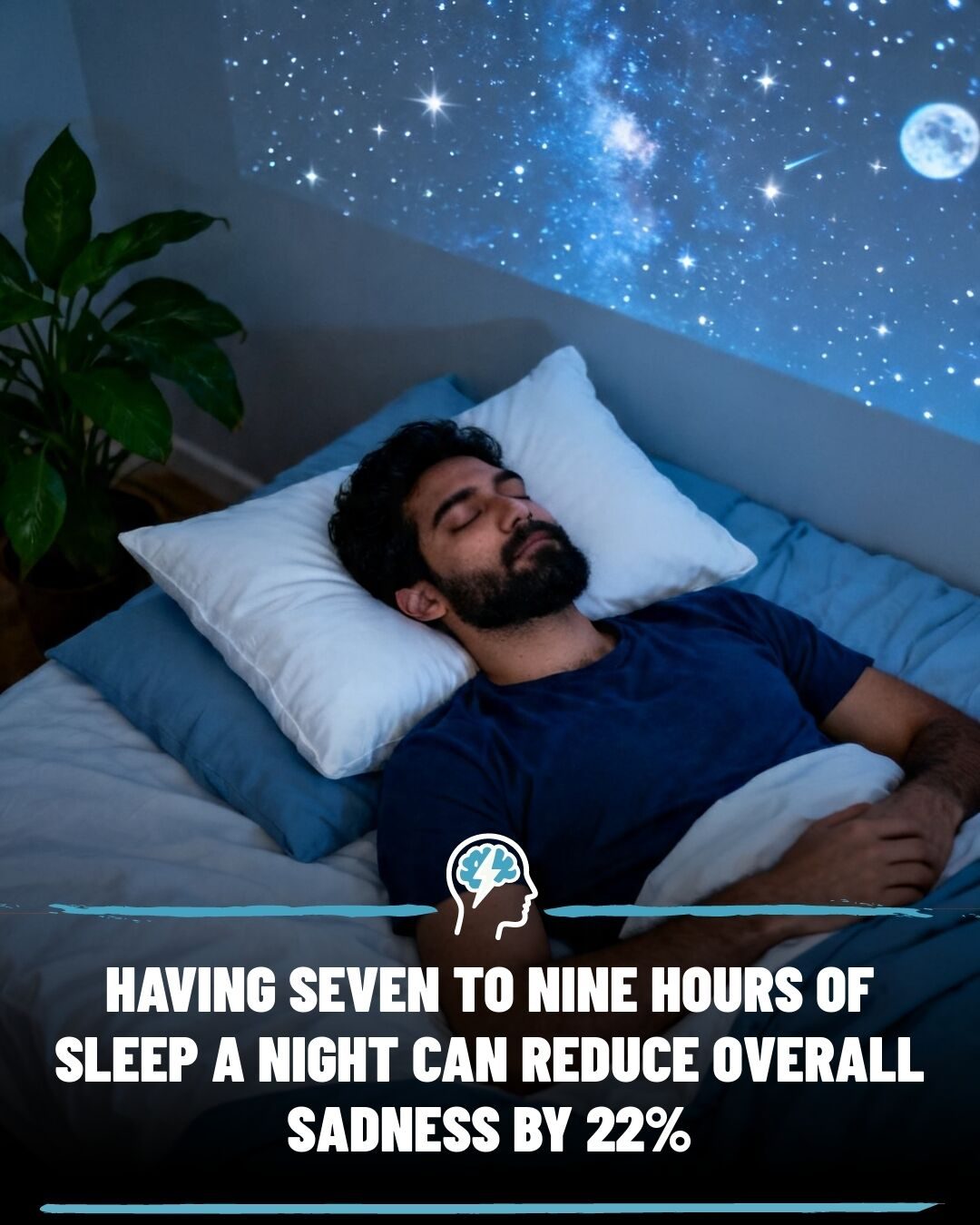
Sleep, a crucial yet often overlooked component of our daily lives, plays a significant role in maintaining mental health. A large-scale study involving nearly 290,000 individuals has revealed that getting 7 to 9 hours of sleep per night could reduce the risk of depression by approximately 22 percent. This makes quality sleep the single most protective lifestyle factor identified in the study.
Context / Why This Matters
Mental health is a multifaceted issue influenced by various factors, including genetics and lifestyle choices. The study, conducted using UK Biobank data, examined seven different habits and their impact on depression risk. Among these, sleep emerged as the most impactful. The study indicates that good sleep hygiene might offer more protection than genetic predisposition alone. This is particularly noteworthy because it highlights a simple, accessible way to support mental well-being.
Main Discussion
The Science Behind Sleep and Mental Health
During sleep, the brain is actively engaged in several critical processes. These include clearing metabolic waste, consolidating memories, and regulating neurotransmitters that influence mood. When sleep is disrupted or insufficient, these processes can be compromised, potentially leading to mood disorders such as depression.
The Study's Findings
The research analyzed data from nearly 290,000 people and found that adequate sleep—between 7 to 9 hours per night—was the most effective lifestyle factor in reducing the risk of depression. Interestingly, the study also explored how multiple healthy habits stack together. Combining adequate sleep with regular physical activity, balanced nutrition, moderate alcohol intake, not smoking, limiting sedentary time, and maintaining social connections can further reduce the risk of depression.
The Role of Sleep Hygiene
Sleep hygiene refers to the practices and habits that promote good sleep quality and duration. Good sleep hygiene can include maintaining a consistent sleep schedule, creating a comfortable sleep environment, and avoiding stimulating activities before bedtime. The study suggests that prioritizing these habits could offer more protection against depression than relying on genetic predisposition alone.
Practical Tips
Establishing a Consistent Sleep Schedule
Maintaining a regular sleep schedule is one of the most effective ways to improve sleep hygiene. Try to go to bed and wake up at the same time every day, even on weekends. This consistency helps regulate your body's internal clock and can improve the quality of your sleep.
Creating a Sleep-Conducive Environment
Your sleep environment plays a crucial role in the quality of your sleep. Ensure your bedroom is dark, quiet, and cool. Consider using earplugs, an eye mask, or a white noise machine if necessary. Investing in a comfortable mattress and pillows can also make a significant difference.
Avoiding Stimulants Before Bedtime
Caffeine, nicotine, and alcohol can interfere with your ability to fall and stay asleep. Try to avoid consuming these substances, especially in the hours leading up to bedtime. Additionally, limit screen time before bed, as the blue light emitted by devices can disrupt your body's production of melatonin, a hormone that regulates sleep.
Important Takeaways
Prioritizing sleep is a simple yet powerful way to support your mental health. A consistent sleep schedule, a comfortable sleep environment, and good sleep hygiene can make a significant difference in your overall well-being. While sleep alone is not a cure for depression, it is a crucial component of a healthy lifestyle that can help reduce the risk of mental health issues.
It's essential to remember that while sleep is a powerful tool, it is not a standalone solution. Combining good sleep habits with other healthy lifestyle choices, such as regular physical activity and balanced nutrition, can provide even greater benefits.
Conclusion
Sleep is often underestimated in its importance for mental health. Getting 7 to 9 hours of sleep per night is not just about feeling rested; it's about supporting your brain's critical functions and reducing the risk of depression. By prioritizing good sleep hygiene, you can take a significant step towards improving your mental well-being.
Watch the Reel
Questions readers ask
How many hours of sleep per night are ideal for reducing the risk of depression?
The optimal range is 7 to 9 hours of sleep per night. This duration has been linked to a significant reduction in depression risk, according to a large-scale study.
What makes sleep the most protective lifestyle factor for mental health?
Sleep is considered the most protective lifestyle factor due to its substantial impact on reducing depression risk. The study found that proper sleep hygiene might even be more beneficial than other lifestyle changes and can outweigh genetic predisposition.
What is the significance of sleep hygiene in mental health?
Maintaining good sleep hygiene means consistently achieving 7-9 hours of sleep per night. It is crucial for lowering the risk of depression and promoting overall mental well-being. Good sleep hygiene includes having a consistent sleep schedule, creating a restful environment, and avoiding activities that disrupt sleep.
How does the quality of sleep influence depression prevention?
The quality of sleep is vital for depression prevention. Achieving restful and uninterrupted sleep within the recommended 7-9 hour range supports better mental health outcomes. Poor sleep quality can increase the risk of developing depression.
Can sleeping 7-9 hours per night lower depression risk regardless of genetic predisposition?
While genetics play a role in mental health, the study highlights that a healthy sleep routine of 7-9 hours per night can significantly lower the risk of depression, even in those with a genetic predisposition.
What other lifestyle factors were considered in the study alongside sleep?
The study examined various lifestyle habits, including sleep, diet, physical activity, and alcohol consumption. Sleep emerged as the single most impactful factor in reducing depression risk, with the potential to outweigh the benefits of other lifestyle changes.
Related deep dives
Similar reads based on topic and creator.



Recent articles
Fresh deep dives from the latest Reels we unpacked.




Comments
Be the first to comment.