Sleep Deprivation Effects
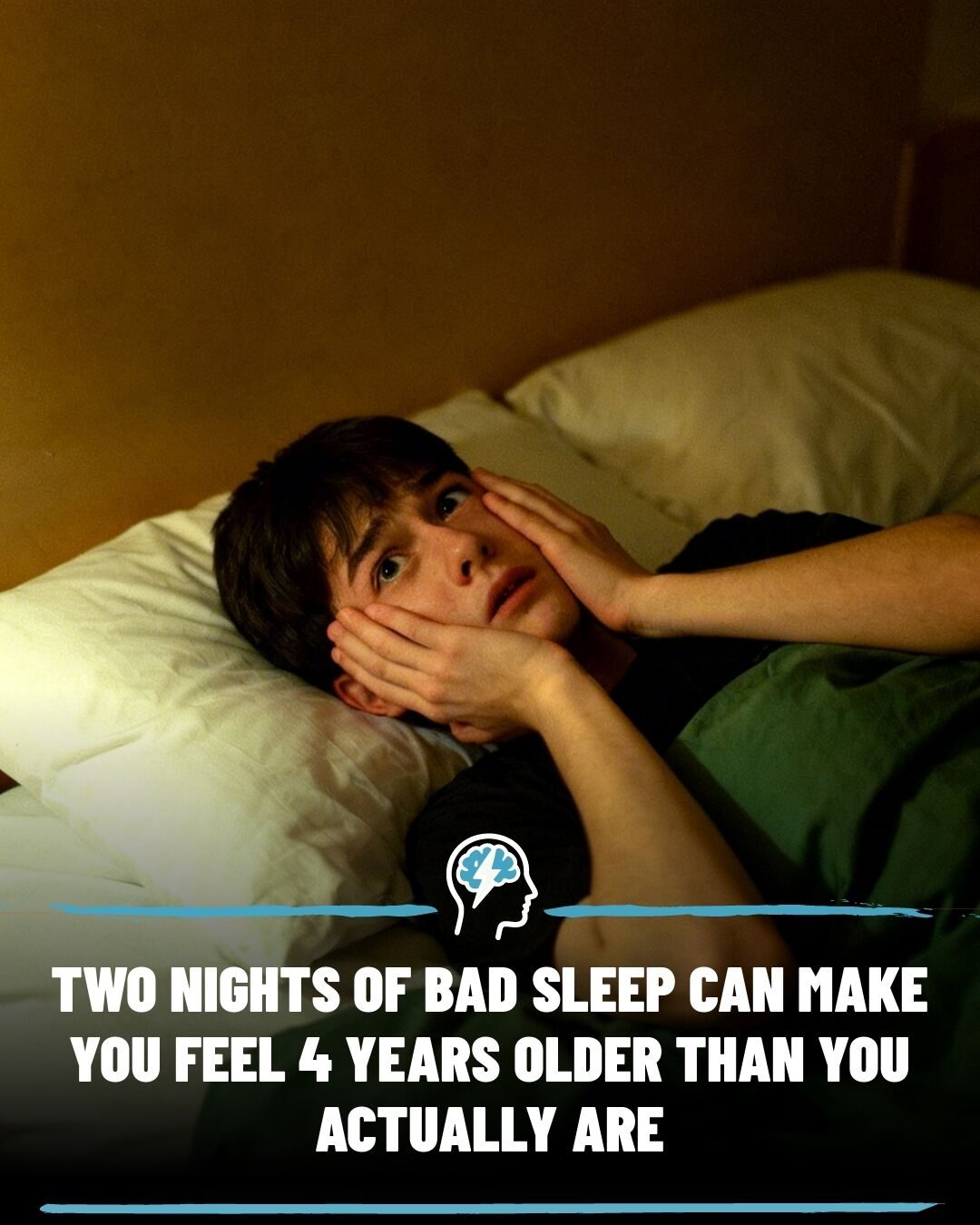
Sleep deprivation is a common issue in today's fast-paced world, and its effects can be more profound than simply feeling tired the next day. Two consecutive nights of poor sleep can make you feel significantly older, and research from Stockholm University sheds light on why this sensation feels so real.
Why This Matters
Sleep is crucial for both physical and mental health. Chronic sleep deprivation can lead to various health issues, including weakened immune systems, increased risk of heart disease, and even cognitive decline. Understanding the immediate and long-term effects of sleep deprivation can motivate individuals to prioritize rest and develop better sleep habits.
Subjective Age and Sleep Deprivation
The Stockholm University Study
A study published in the Proceedings of the Royal Society B found that participants who slept only four hours per night for two consecutive nights reported feeling an average of 4.4 years older than their actual age. This perception shifted back to normal when they returned to adequate rest. The study focused on subjective age, which is how old a person perceives themselves to be, rather than cellular or biological aging.
What Is Subjective Age?
Subjective age is the age you feel, which can differ significantly from your chronological age. Factors such as stress, lifestyle, and overall health can influence how old you feel. Researchers measured this by simply asking participants, "How old do you feel right now?" This measurement is crucial because it provides insights into the psychological and emotional impact of sleep deprivation.
The Impact of Feeling Older
Feeling significantly older than your actual age can influence various aspects of your life, including:
Energy Levels
When you feel older, your energy levels tend to decrease. This can make daily activities more challenging and reduce your motivation to engage in physical activities. Lower energy levels can also affect your productivity and overall welligence.
Motivation
Feelings of fatigue and exhaustion can sap your motivation, making it harder to pursue goals and complete tasks. This lack of motivation can create a vicious cycle, where reduced activity levels further decrease energy and motivation.
Physical Activity
Physical activity is essential for maintaining good health, but feeling older can deter you from exercising. This sedentary lifestyle can lead to weight gain, muscle loss, and other health issues. Regular physical activity not only improves physical health but also boosts mental well-being.
Long-Term Health Behaviors
How you feel about your age can influence long-term health behaviors. If you feel older, you may be less likely to engage in activities that promote health and well-being, such as eating a balanced diet, maintaining a regular exercise routine, and attending regular medical check-ups.
Practical Tips for Better Sleep
Establish a Consistent Sleep Schedule
Going to bed and waking up at the same time every day can help regulate your body's internal clock and improve sleep quality.
Create a Relaxing Bedtime Routine
Engage in calming activities before bed, such as reading, taking a warm bath, or practicing relaxation techniques like deep breathing or meditation.
Optimize Your Sleep Environment
Ensure your bedroom is dark, quiet, and cool. Invest in a comfortable mattress and pillows, and consider using earplugs or a sleep mask if needed.
Limit Exposure to Screens
The blue light emitted by phones, tablets, computers, and TVs can interfere with your body's production of melatonin, a hormone that regulates sleep. Try to turn off screens at least an hour before bedtime.
Watch Your Diet and Exercise
Avoid large meals, caffeine, and alcohol close to bedtime. Regular physical activity during the day can also help you fall asleep faster and enjoy deeper sleep.
Important Takeaways
Sleep deprivation can have a profound impact on how you feel and perceive yourself. While two nights of poor sleep may not age your cells, it can make you feel significantly older. This perception can influence your energy levels, motivation, physical activity, and overall health. Therefore, it is crucial to prioritize good sleep habits and create an environment conducive to restful sleep. Remember, sleep is not just about feeling rested the next day; it is about maintaining overall health and well-being.
Conclusion
Sleep deprivation can make you feel years older than your actual age, and research shows that this sensation is more than just a fleeting feeling. It can influence your energy levels, motivation, and overall health. By understanding the impact of sleep deprivation and taking steps to improve your sleep habits, you can enhance your well-being and feel more like yourself. Prioritizing rest is not about perfection; it is about giving your body and mind what they need to function at their best.
Watch the Reel
Questions readers ask
How does sleep deprivation affect my body in just two nights?
Two nights of poor sleep can lead to lowered energy levels, reduced alertness, and a weakened immune system. You may also experience mood swings, decreased concentration, and a general decline in physical and mental performance.
Why does sleep deprivation make me feel older?
Sleep deprivation can accelerate the aging process by increasing oxidative stress and inflammation in the body. This can lead to premature aging of cells, making you feel older than your actual age. Additionally, lack of sleep can cause skin to appear dull and wrinkles to become more noticeable.
What are the long-term consequences of chronic sleep loss?
Chronic sleep loss can result in various health issues, including an increased risk of heart disease, high blood pressure, and diabetes. It can also lead to cognitive decline, memory problems, and even a decreased lifespan.
What is the relationship between sleep deprivation and cognitive decline?
Sleep is essential for cognitive functions such as memory, concentration, and problem-solving. Sleep deprivation can impair these functions, making it difficult to focus, learn new information, and complete tasks efficiently. Over time, chronic sleep loss can lead to more serious cognitive issues.
How can I improve my sleep habits to mitigate the effects of sleep deprivation?
To improve your sleep habits, establish a consistent sleep schedule, create a relaxing bedtime routine, and optimize your sleep environment. Avoid screens before bed, limit caffeine and alcohol intake, and engage in regular physical activity during the day.
What did the Stockholm University study reveal about sleep and aging?
The Stockholm University study showed that even short periods of sleep deprivation can make individuals feel older, with a noticeable impact on their overall well-being and mental state. The research highlights the immediate and profound effects of sleep loss on how we perceive our own aging process.
What are some immediate effects of two nights of poor sleep?
After just two nights of poor sleep, you may experience decreased energy, heightened stress levels, and reduced ability to cope with daily tasks. You might also notice a decline in your mood, increased irritability, and a general feeling of being less resilient to life's challenges.
Related deep dives
Similar reads based on topic and creator.



Recent articles
Fresh deep dives from the latest Reels we unpacked.




Comments
Be the first to comment.