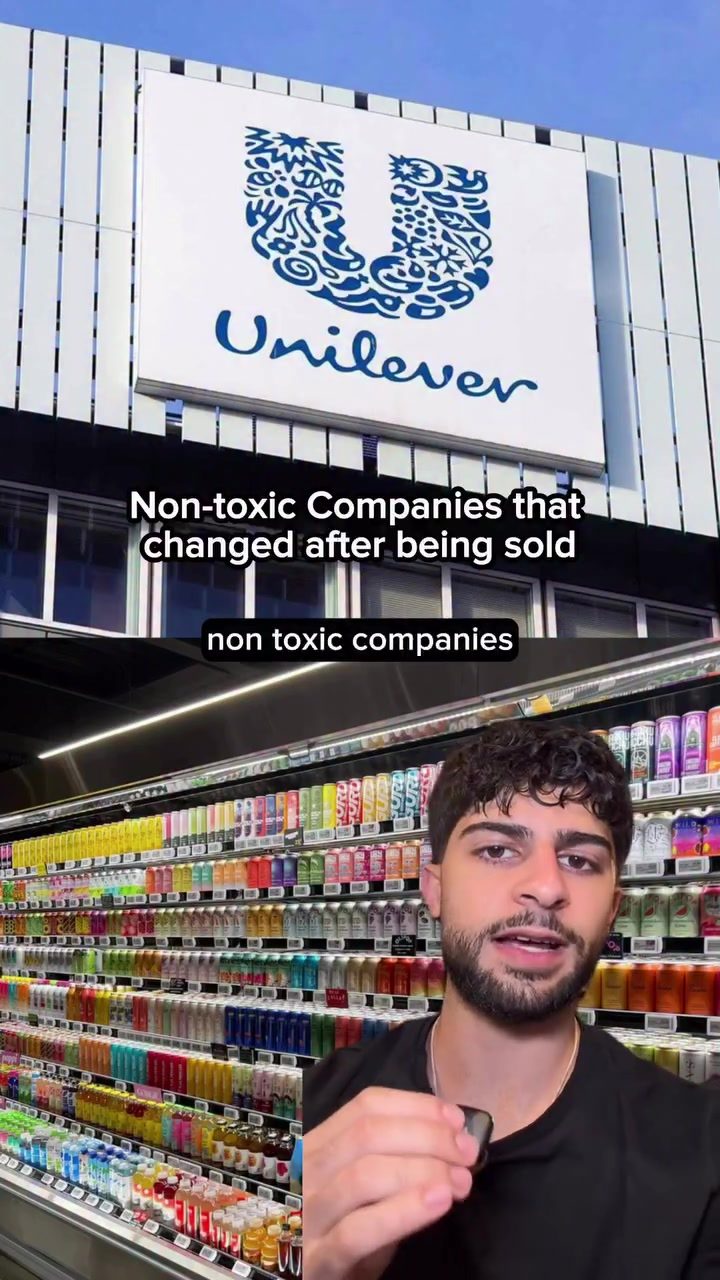
The Illusion of Choice: How Acquisitions Impact Product Integrity
Consumer products often claim to be health-conscious and eco-friendly, but behind the scenes, acquisitions can drastically alter these promises. Understanding the changes that occur post-acquisition is crucial for informed consumer decisions.
Why This Matters
When beloved brands are acquired by larger corporations, the focus often shifts from quality and integrity to profitability. This shift can lead to changes in ingredients, packaging, and even the core values of the brand. Consumers who prioritize health, sustainability, and transparency need to be aware of these changes to make informed purchasing decisions.
Changes to Products Post-Acquisition
Kashi
Kashi, once known for its high-quality, all-natural ingredients, underwent significant changes after being sold to Kellogg's. The most notable alteration was the replacement of high-quality ingredients with GMO corn and soy. This change was so drastic that it led to a class-action lawsuit, forcing the removal of the “all natural” labeling. Consumers who relied on Kashi for its natural and organic offerings were left disappointed and misled.
Annie's
Annie's, a brand known for its commitment to natural and wholesome ingredients, also faced similar issues after being acquired by General Mills. The company began to add more starches to their mac and cheese, which was a departure from their original recipe. Additionally, there were contamination issues involving phthalates in the packaging. These changes undermined the trust that consumers had built with the brand.
C.A.T.A.
C.A.T.A., known for its grain-free products, saw changes after being acquired by PepsiCo. The company started adding preservatives and fillers like cassava starch and gums to their products. This shift moved away from the brand's original commitment to simple, clean ingredients, leaving consumers with a different product than what they initially trusted.
RX Bar
RX Bar, which built its reputation on the promise of "No B.S." and strictly whole-food ingredients, faced a significant backlash after being sold to Kellogg's. The brand introduced sunflower oil and “natural flavors” to certain product lines, straying from its original commitment to transparency and quality. This change was a blow to consumers who valued the brand for its straightforward and healthy offerings.
Shea Moisture
Shea Moisture, a beloved brand in the beauty industry, changed its formulas after being sold to Unilever. The new formulations included synthetic fragrances, paraffin, and sodium benzoate, moving away from the brand's original “no” ingredient lists. These changes were a disappointment to consumers who relied on Shea Moisture for its natural and effective products.
Tom's of Maine
Tom's of Maine, known for its natural and eco-friendly products, faced lawsuits and FDA warnings after being acquired by Colgate-Palmolive. The brand was accused of mislabeling products as “natural” when they contained artificial ingredients. Additionally, there were warnings about bacterial contamination in their toothpaste, raising serious concerns about the brand's quality and safety.
The Importance of Constant Vigilance
When companies get bought out, it's essential to stay vigilant and constantly check the ingredients. Brands that once stood for quality and integrity may undergo significant changes, often to the detriment of consumers. Keeping an eye on ingredient lists and staying updated on brand acquisitions can help consumers make informed decisions.
Practical Tips
Read Labels Carefully
Always read the ingredient lists on products. Even if a brand has a reputation for quality, acquisitions can lead to changes in ingredients. Look for any additions of artificial flavors, preservatives, or synthetic ingredients.
Stay Informed
Follow brands and industry news to stay updated on acquisitions and changes in product formulations. Social media, industry blogs, and consumer advocacy groups can be valuable resources for staying informed.
Support Transparent Brands
Support brands that are transparent about their ingredients and manufacturing processes. Companies that prioritize quality and integrity are more likely to maintain their commitments even after acquisitions.
Important Takeaways
Acquisition Impacts
Acquisitions can significantly alter the integrity and quality of consumer products. Brands that once stood for natural and wholesome ingredients may introduce artificial additives, preservatives, and synthetic ingredients.
Consumer Responsibility
Consumers have a responsibility to stay informed and vigilant. Reading labels, staying updated on industry news, and supporting transparent brands can help ensure that you are making informed purchasing decisions.
The Illusion of Choice
The illusion of choice is prevalent in the consumer market. Brands that once stood for quality and integrity may undergo significant changes post-acquisition, leaving consumers with products that do not meet their expectations. Staying informed and vigilant is crucial for making wise purchasing decisions.
Conclusion
The reality is that acquisitions can lead to significant changes in the integrity and quality of consumer products. Brands that once stood for natural and wholesome ingredients may introduce artificial additives, preservatives, and synthetic ingredients. Staying informed and vigilant is crucial for making wise purchasing decisions and ensuring that you are getting the products you trust.
Watch the Reel
Questions readers ask
How did the acquisition of Kashi by Kellogg's affect its product integrity?
After Kellogg's acquired Kashi, some customers noticed changes in ingredient quality and packaging. For example, some Kashi products began using soy protein isolate instead of whole grains, and packaging materials became less eco-friendly. These shifts were due to Kellogg's focus on cost-efficiency and mass production.
What changes occurred in Annie's products after General Mills took over?
General Mills' acquisition of Annie's led to changes in their product formulations. More specifically, some Annie's products had their ingredients altered to include more artificial components to extend shelf life. This was a departure from their original commitment to natural and organic ingredients.
Can you discuss the post-acquisition changes in C.A.T.A. products?
When C.A.T.A. was acquired by Unilever, the company faced significant changes in their product formulations. C.A.T.A. products started to include more artificial ingredients, additives and preservatives. This change aimed to extend shelf life and reduce costs, but it compromised the original eco-friendly and all-natural focus.
What impacts do corporate acquisitions generally have on health-conscious brands?
Corporate acquisitions often lead to changes in ingredient quality, packaging materials and sustainability practices. Larger corporations may prioritize profitability over brand integrity, resulting in adjustments to formulations, production methods and even marketing strategies.
What is the difference between Kashi products before and after the acquisition by Kellogg's?
Before the acquisition, Kashi was known for its commitment to natural and organic ingredients. However, after Kellogg's took over, some Kashi products started to include more artificial components to reduce costs and increase shelf life. This change was noticeable to many long-term consumers who had come to expect a certain level of quality.
Related deep dives
Similar reads based on topic and creator.



Recent articles
Fresh deep dives from the latest Reels we unpacked.




Comments
Be the first to comment.