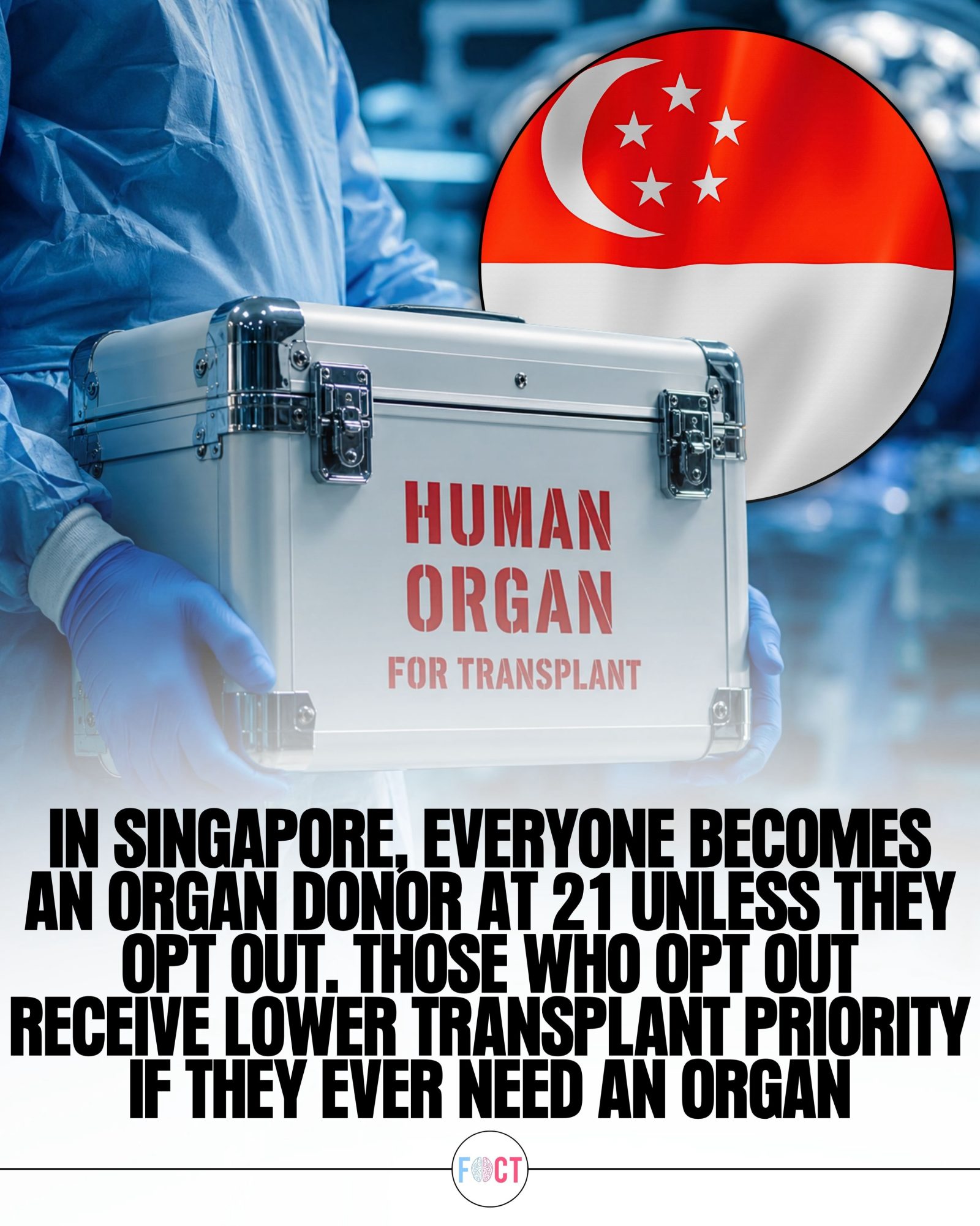
Singapore's unique organ donation policy, governed by the Human Organ Transplant Act (HOTA), ensures a steady supply of life-saving organs for those in medical need. This opt-out system automatically registers every citizen and permanent resident as an organ donor once they turn 21. However, individuals have the freedom to opt out at any time, though doing so comes with specific conditions.
Context / Why this matters
Organ donation is a critical component of modern healthcare, providing life-saving treatments for individuals suffering from organ failure. The success of organ donation programs hinges on a robust system that balances the needs of donors and recipients. Singapore's approach to organ donation, via the HOTA, is designed to maximise the availability of organs while ensuring that the rights and preferences of individuals are respected.
Opting Out and the Impact on Transplant Priority
Under the HOTA, everyone automatically becomes an organ donor when they reach 21, unless they have chosen to opt out. This policy ensures a consistent and dependable supply of organs for transplant, meeting the critical needs of patients on the waiting list.
Those who choose to opt out of the organ donation program, however, face a crucial condition. If they later require an organ transplant, they will be placed at a lower priority on the national transplant waiting list. This aspect of the policy is designed to encourage individuals to remain on the donor registry, thereby increasing the overall pool of available organs.
The Role of FSCCT
The FSCCT, an organization likely involved in medical and organ donation efforts, is prominently featured in the visuals. While the specific role of FSCCT in organ donation or transplant procedures is not detailed in the sources, their presence suggests a significant involvement in the medical community, possibly in the coordination of organ transplants, donor registration, or related medical cases.
Understanding the Organ Donation Process
The organ donation process is meticulously managed to ensure that the organs are allocated to those who need them most. In Singapore, the process is streamlined and efficient, thanks to the HOTA. When an individual becomes an organ donor, they contribute to a system that prioritizes the allocation of organs based on medical need, compatibility, and waiting time.
Eligibility and Compatibility
The suitability of an organ for transplant depends on various factors, including the donor’s and recipient’s blood type, tissue type, and overall health. The medical team conducts extensive tests to ensure that the donor organ is compatible with the recipient. This matching process is crucial for the success of the transplant and for minimizing the risk of organ rejection.
The Importance of Consent
Understanding the organ donation process and the importance of consent is vital for both donors and their families. While the HOTA simplifies the process by automatically enrolling individuals at 21, it is essential to have open conversations about organ donation. These discussions can help families understand the donor’s wishes and make informed decisions if the individual is unable to do so.
Practical Tips for Potential Donors
If you are considering becoming an organ donor or wish to understand the process better, here are some practical tips:
Register Your Decision
If you are not automatically enrolled due to age or other factors, register your decision to be an organ donor. This step ensures that your wishes are clearly documented and respected.
Communicate with Your Family
Discuss your decision with your family members. Informing them of your wishes can alleviate any potential confusion or distress in the future.
Understand the Process
Learn more about the organ donation process. Understanding the steps involved, from donation to transplant, can help you make an informed decision and alleviate any fears or misconceptions.
Stay Informed
Stay updated on organ donation policies and procedures. Knowing the current guidelines and requirements can help you navigate the process more effectively.
Seek Professional Advice
If you have questions or concerns, consult with medical professionals or organizations involved in organ donation. They can provide accurate, up-to-date information and support.
Important Takeaways
The Role of HOTA
The Human Organ Transplant Act (HOTA) plays a pivotal role in ensuring a steady supply of life-saving organs in Singapore. By automatically registering individuals as donors, the HOTA maximizes the number of available organs, thereby saving countless lives.
The Impact on Transplant Priority
Opting out of the organ donation program can significantly impact an individual’s position on the transplant waiting list. Being placed at a lower priority underscores the importance of remaining on the donor registry.
The Importance of Awareness
Raising awareness about organ donation and encouraging open conversations about the topic is crucial. Understanding the process, the benefits, and the impact on both donors and recipients can lead to more informed decisions and a greater willingness to participate.
Conclusion
Singapore’s unique organ donation policy represents a significant step forward in medical ethics and public health. By automating the donation process and clearly outlining the conditions, the HOTA ensures that the needs of both donors and recipients are met. The policy not only saves lives but also promotes a culture of mutual support and community well-being. As awareness and understanding of organ donation grow, so too does the potential to transform lives through the gift of life-saving organs.
Watch the Reel
Questions readers ask
How does Singapore's opt-out organ donation policy work?
Singapore's opt-out system, governed by the Human Organ Transplant Act (HOTA), automatically registers citizens and permanent residents as organ donors at age 21. Individuals can opt out at any time, but this requires a formal process and understanding of the conditions involved.
Can I opt out of organ donation in Singapore?
Yes, you can opt out of organ donation in Singapore if you prefer not to be a donor. You need to submit a formal request to the appropriate authorities and meet the required conditions for opting out.
What happens if I do not opt out of the organ donation system in Singapore?
If you do not opt out, you will be automatically registered as an organ donor at age 21. Your organs will be available for transplant if needed and if you meet the criteria for donation. This ensures that your organs can be used to save lives, respecting the principle of prioritizing organ availability for transplants.
What are the conditions for opting out of organ donation in Singapore?
To opt out of organ donation in Singapore, you must be at least 21 years old and submit a formal request. The process includes understanding the implications of opting out and ensuring that your decision is well-informed.
Why does Singapore use an opt-out system for organ donation?
Singapore uses an opt-out system to maximize organ availability for transplants. By automatically registering individuals as donors, the system prioritizes the needs of those waiting for life-saving organ transplants while allowing individuals the freedom to opt out if they choose.
At what age are Singapore residents automatically registered as organ donors?
Singapore residents are automatically registered as organ donors at the age of 21. This age is chosen to ensure individuals are of legal age and capable of making informed decisions.
How does the Human Organ Transplant Act (HOTA) govern organ donation in Singapore?
The Human Organ Transplant Act (HOTA) is the legal framework governing organ donation in Singapore. It outlines the procedures for automatic registration, the opt-out process, and the conditions under which organs are procured and allocated for transplants.
What should I do if I want to ensure my loved one's wishes regarding organ donation are respected?
If you want to ensure your loved one's wishes regarding organ donation are respected, it's important to have an open conversation with them about their preferences. Encourage them to formally register their decision, whether to opt in or opt out, with the appropriate authorities. Additionally, keeping their family informed about their decision can help ensure their wishes are honored.
Recent articles
Fresh deep dives from the latest Reels we unpacked.




Comments
Be the first to comment.