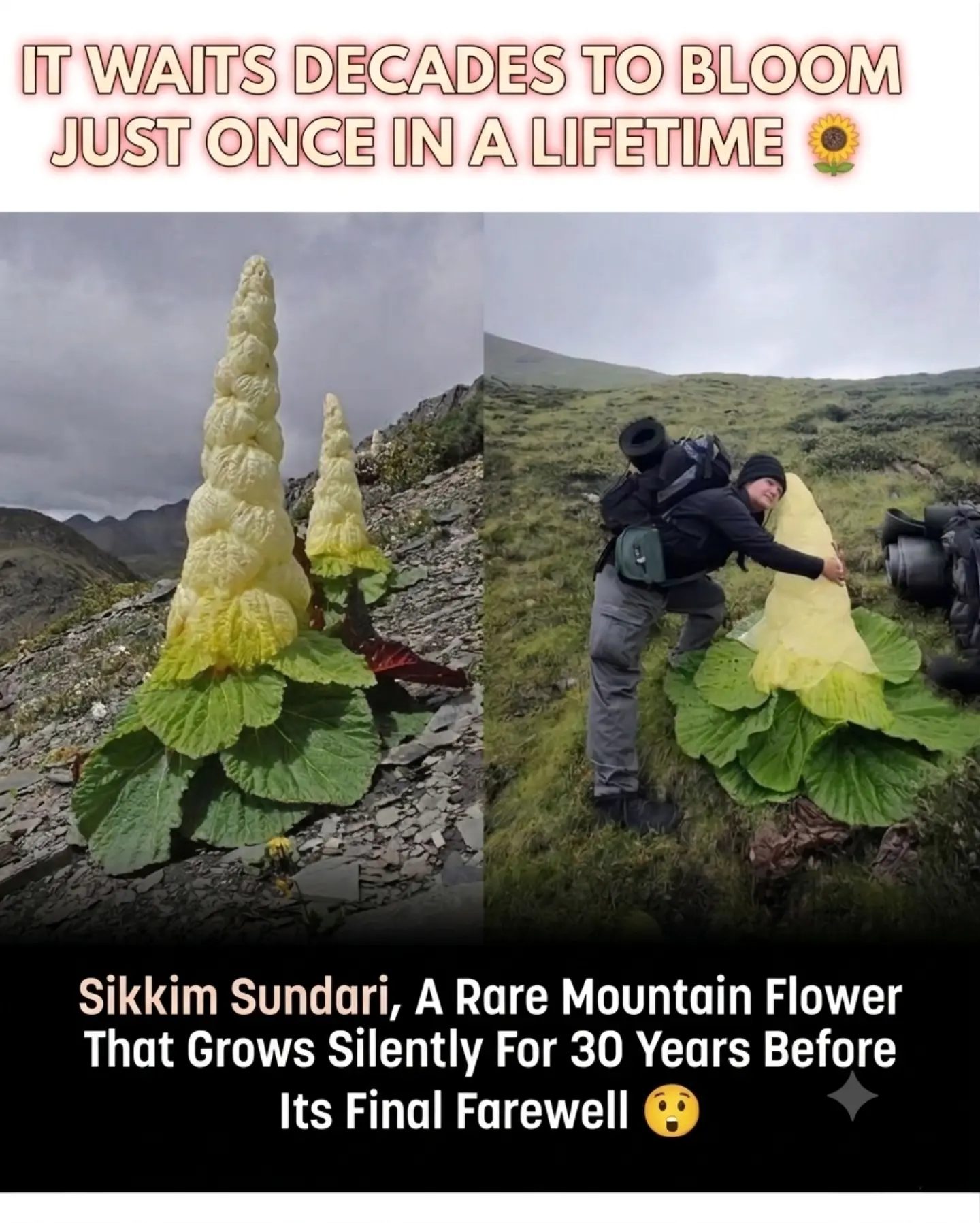
Rare Mountain Flower: The Enigmatic Sikkim Sundari
The Sikkim Sundari, a rare mountain flower, captivates with its extraordinary lifecycle. This flower, native to the mountains of Sikkim, is known for its unique characteristic of blooming just once in its lifetime. The journey of the Sikkim Sundari is a testament to the wonders of nature, growing silently for nearly three decades before revealing its beauty in a single, breathtaking bloom.
The Lifecycle of the Sikkim Sundari
The Sikkim Sundari's lifecycle is one of the most intriguing aspects of this rare flower. It spends roughly 30 years in a state of dormant growth, quietly developing underground. This prolonged period of silence is a stark contrast to its final, magnificent bloom. The flower emerges from the ground and blooms for the first and only time, showcasing its vibrant colors and delicate petals.
The Significance of the Sikkim Sundari
The rarity and uniqueness of the Sikkim Sundari make it a significant botanical marvel. Its once-in-a-lifetime bloom is not just a visual spectacle but also a symbol of perseverance and patience. The flower's ability to thrive in harsh mountain conditions and its remarkable lifecycle have made it a subject of fascination for botanists and nature enthusiasts alike. The fact that it blooms only once and then fades away adds a layer of poignancy to its existence.
Why the Sikkim Sundari Matters
Botanical Intrigue
The Sikkim Sundari is a fascinating subject of botanical study due to its unique lifecycle. Botanists are intrigued by the mechanisms that allow this flower to survive and thrive in such harsh conditions. Understanding the Sikkim Sundari's biological processes could provide insights into similar plants and their adaptive strategies.
Ecological Importance
The Sikkim Sundari plays a crucial role in the ecosystem of the mountains it inhabits. Like many rare flowers, it contributes to the biodiversity of its environment, supporting various species of insects, birds, and other animals. Its rarity also underscores the importance of conservation efforts to protect such delicate and vital ecosystems.
Cultural Significance
In the region of Sikkim, the Sikkim Sundari holds cultural significance. It is often seen as a symbol of endurance and patience, reflecting the resilience of the people who live in the mountainous terrain. The flower's rare and spectacular bloom is celebrated, and its imagery is often used in local art and literature.
Practical Tips for Viewing the Sikkim Sundari
When to Visit
For those fortunate enough to witness the Sikkim Sundari in bloom, timing is essential. The bloom period is unpredictable, but it typically occurs after 30 years of growth. Local guides and botanical experts can provide the most accurate information on when and where to find the flower.
Best Locations
The Sikkim Sundari is found in the higher altitudes of the Sikkim region. Be prepared for high-altitude conditions, including thin air, cold temperatures, and rugged terrain. Consulting with local guides or botanical organizations can help you navigate the best locations and conditions for viewing the flower.
Preparations
If you plan to trek to see the Sikkim Sundari, ensure you are well-prepared. This includes carrying appropriate gear for high-altitude hiking, staying hydrated, and having a basic understanding of the local flora and fauna. Respect the environment and avoid disturbing the flower or its habitat.
Important Takeaways
Unique Lifecycle
The Sikkim Sundari's lifecycle, marked by 30 years of silent growth followed by a single, magnificent bloom, is a botanical marvel. This unique process highlights the incredible adaptations of plants in extreme environments.
Conservation
The rarity of the Sikkim Sundari underscores the need for conservation efforts. Protecting its habitat and ensuring its survival is crucial for maintaining the region's biodiversity.
Cultural and Ecological Value
The Sikkim Sundari holds significant cultural and ecological value. It is a symbol of resilience and patience in Sikkim's culture and a vital component of the region's ecosystem.
Conclusion
The Sikkim Sundari, a rare mountain flower, offers a glimpse into the wonders of nature. Its unique lifecycle, cultural significance, and ecological importance make it a fascinating subject for botanists, nature enthusiasts, and anyone captivated by the mysteries of the natural world. Whether you are a seasoned botanist or a curious traveler, the Sikkim Sundari represents a rare and precious gem waiting to be discovered in the heart of the Sikkim mountains.
Watch the Reel
Questions readers ask
How long does it take for the Sikkim Sundari to bloom after planting?
The Sikkim Sundari has an exceptionally long growth period. It typically takes around 30 years for the plant to produce its single, magnificent bloom. This lengthy silent growth phase is a testament to the flower's unique lifecycle.
Where can the Sikkim Sundari be found growing naturally?
The Sikkim Sundari is native to the mountains of Sikkim, a state in northeastern India. It thrives in the high-altitude conditions and unique soil of this region, making it a rare and prized sight for those who visit the area.
Can the Sikkim Sundari be cultivated at home or is it extremely hardy?
Cultivating the Sikkim Sundari at home is extremely challenging due to its specific growing conditions. It requires the right altitude, soil and climate which are particular of the Sikkim mountains. Therefore, it is not typically found in home gardens and is best left to thrive in its natural environment.
What happens to the Sikkim Sundari after it blooms?
After the Sikkim Sundari blooms, it completes its lifecycle and begins to wither. Since it is a monocarpic plant, it only blooms once in its lifetime, and after the bloom, the plant dies, leaving behind seeds for the potential growth of new plants. This also contributes to its rarity.
Are there any videos or documentaries about the Sikkim Sundari?
Due to its rarity and the remote locations where it grows, videos of the Sikkim Sundari are scarce. However, nature enthusiasts and botanists may occasionally capture footage of this rare bloom. Checking local and regional media outlets in Sikkim or searching through botanical documentaries might yield some results.
What makes the Sikkim Sundari a botanical wonder?
The Sikkim Sundari is considered a botanical wonder due to its extraordinary lifecycle. It spends nearly three decades in a state of dormant growth, only to produce a single, stunning bloom. This unique journey, along with its resilience and rarity, has made it a subject of fascination for nature enthusiasts and botanists alike.
How can one visit the Sikkim Sundari in its natural habitat?
To visit the Sikkim Sundari in its natural habitat, you would need to travel to the mountains of Sikkim. Engaging a local guide who knows the terrain and the specific locations where the flower grows is beneficial. Timing your visit to coincide with the bloom season, which may vary, is also crucial.
Related deep dives
Similar reads based on topic and creator.




Recent articles
Fresh deep dives from the latest Reels we unpacked.




Comments
Be the first to comment.