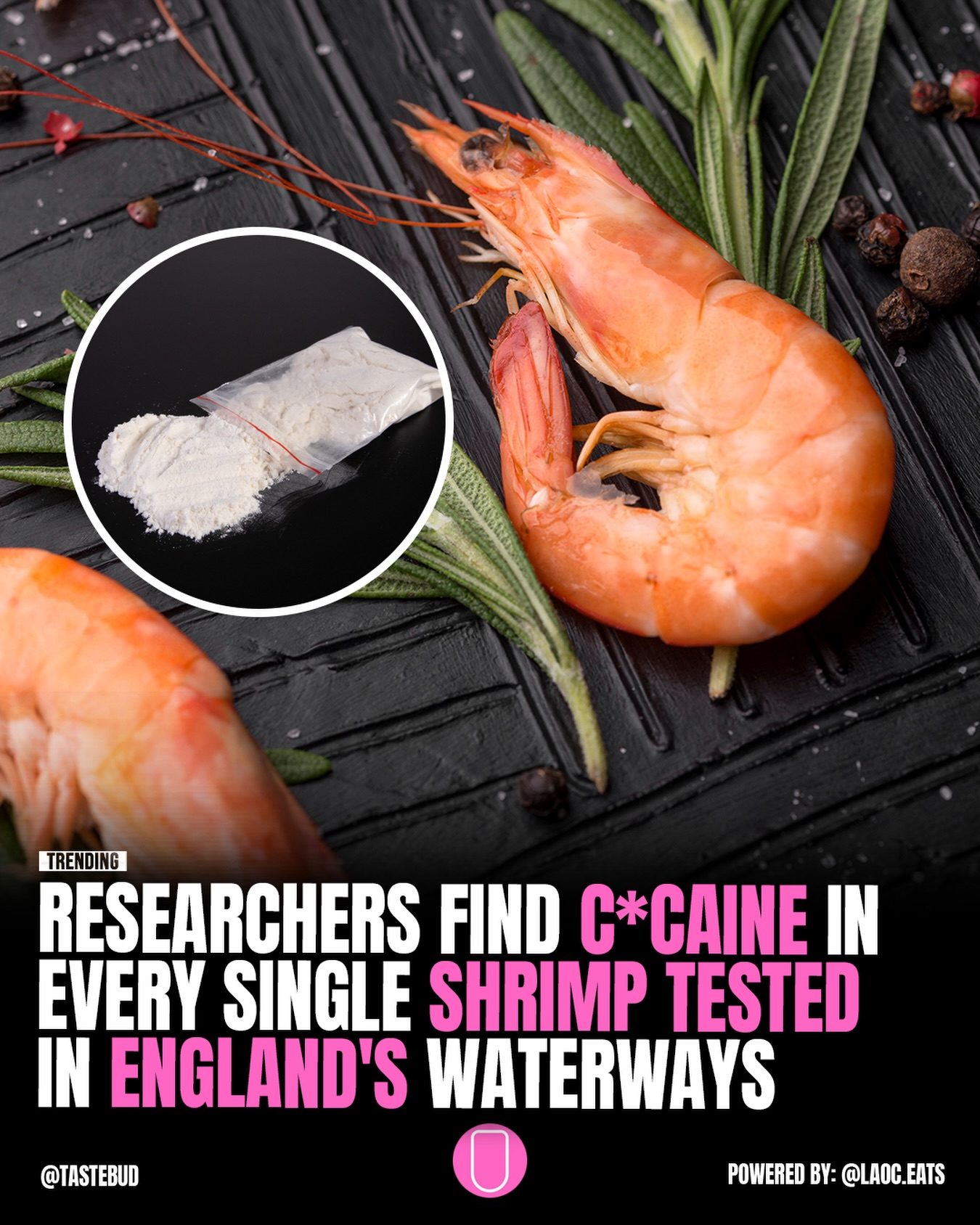
Shrimp Contamination and Waterway Pollution
The discovery of cocaine and other contaminants in freshwater shrimp across Suffolk's river catchments has raised significant concerns about waterway pollution and its impact on wildlife. Researchers from King’s College London and the University of Suffolk conducted a comprehensive study, collecting samples from 15 sites across five major river catchments: the Alde, Box, Deben, Gipping, and Waveney. The findings, published in the journal Environment International, highlight the pervasive nature of water pollution and its potential long-term effects on aquatic ecosystems.
Context / Why This Matters
Water pollution is a growing global concern, affecting not only human health but also the delicate balance of ecosystems. The presence of cocaine, ketamine, prescription medications, and banned pesticides in freshwater shrimp underscores the need for a closer examination of wastewater treatment processes and their effectiveness in removing harmful contaminants. Understanding the sources and impacts of these pollutants is crucial for developing effective mitigation strategies and protecting both wildlife and human health.
Main Discussion
Sources of Contamination
The study's findings suggest that the primary source of contamination in Suffolk's waterways is human waste. Sewage treatment facilities, while designed to remove many harmful substances, are not fully equipped to eliminate all traces of illicit drugs, prescription medications, and banned pesticides. These substances enter the waterways through treated sewage and can accumulate in the environment, posing risks to aquatic life and potentially to humans who consume contaminated fish or shellfish.
Impact on Wildlife
The presence of these contaminants in freshwater shrimp is particularly concerning because shrimp are a vital part of aquatic food webs. Sharks, birds, and other predators that feed on shrimp could unknowingly ingest harmful substances, leading to potential health issues. The long-term effects of exposure to these contaminants are not fully understood, but researchers warn that they could include reproductive problems, developmental abnormalities, and increased susceptibility to diseases.
Practical Tips
Reducing Personal Contamination Risks
While the study focuses on the environmental impact, individuals can take steps to minimize their exposure to these contaminants. For those who consume freshwater fish and shellfish, it is advisable to:
- Choose Wisely: Opt for fish and shellfish from reputable suppliers who adhere to strict quality and safety standards.
- Prepare Properly: Cook seafood thoroughly to reduce the risk of ingesting harmful substances.
- Diversify Diet: Include a variety of protein sources in your diet to reduce reliance on any single type of seafood.
Supporting Environmental Protection
Supporting efforts to combat water pollution can also help mitigate the risks associated with contaminated seafood. This includes:
- Advocating for Improved Treatment: Encourage local authorities to invest in advanced wastewater treatment technologies that can more effectively remove contaminants.
- Participating in Cleanup Efforts: Engage in local waterway cleanup initiatives to reduce the amount of pollutants entering the ecosystem.
- Promoting Responsible Disposal: Properly dispose of medications and other harmful substances to prevent them from entering the water system.
Important Takeaways
The discovery of cocaine and other contaminants in freshwater shrimp highlights the widespread nature of water pollution and its potential impacts on both wildlife and human health.
While the concentrations of these substances found in the shrimp were low, the long-term effects of chronic exposure remain a significant concern. It is clear that current wastewater treatment methods are not sufficient to completely remove all harmful contaminants, and that more advanced technologies and stricter regulations are needed.
Conclusion
The contamination of freshwater shrimp in Suffolk's waterways serves as a stark reminder of the pervasive nature of water pollution. The presence of cocaine, ketamine, prescription medications, and banned pesticides in these aquatic creatures underscores the need for improved wastewater treatment and stricter environmental regulations. By taking steps to reduce personal exposure and supporting efforts to combat water pollution, we can help protect both wildlife and human health from the harmful effects of contaminated waterways.
Watch the Reel
Questions readers ask
How were the contaminated shrimp discovered in England's rivers?
The discovery was made by researchers from King’s College London and the University of Suffolk. They collected samples from 15 sites across five major river catchments in Suffolk: the Alde, Box, Deben, Gipping, and Waveney. The findings were published in the journal *Environment International*
What specific contaminants were found in the shrimp?
The study found cocaine and other illicit contaminants in freshwater shrimp. These findings underscore the issue of water pollution and its effects on local wildlife.
Why is the presence of cocaine in shrimp concerning?
The presence of cocaine in shrimp indicates that wastewater treatment processes in England’s rivers are not adequately removing certain contaminants, which may pose a threat to wildlife and human health. It highlights a potential risk to both ecosystems and public well-being.
What areas in Suffolk were affected by this contamination?
The contamination was detected in samples collected from five major river catchments: the Alde, Box, Deben, Gipping, and Waveney. This widespread presence suggests that pollution is a significant issue in these regions.
What are the potential impacts of these contaminants on aquatic ecosystems?
The contaminants can disrupt the delicate balance of aquatic ecosystems, affecting the health and behavior of wildlife. Long-term exposure to these pollutants may lead to severe ecological imbalances and potential harm to human health through the food chain.
How can improved wastewater treatment help address this issue?
Better wastewater treatment processes can significantly reduce the amount of illicit contaminants and other pollutants entering rivers. This will help protect both aquatic wildlife and human health by minimizing the presence of harmful substances in waterways.
What can individuals do to help mitigate water pollution in their local areas?
Individuals can contribute by being mindful of their waste disposal practices, such as properly disposing of medications. Additionally, supporting local initiatives that promote cleaner waterways and advocating for stricter environmental regulations can have a positive impact on water quality.
Related deep dives
Similar reads based on topic and creator.


Recent articles
Fresh deep dives from the latest Reels we unpacked.




Comments
Be the first to comment.