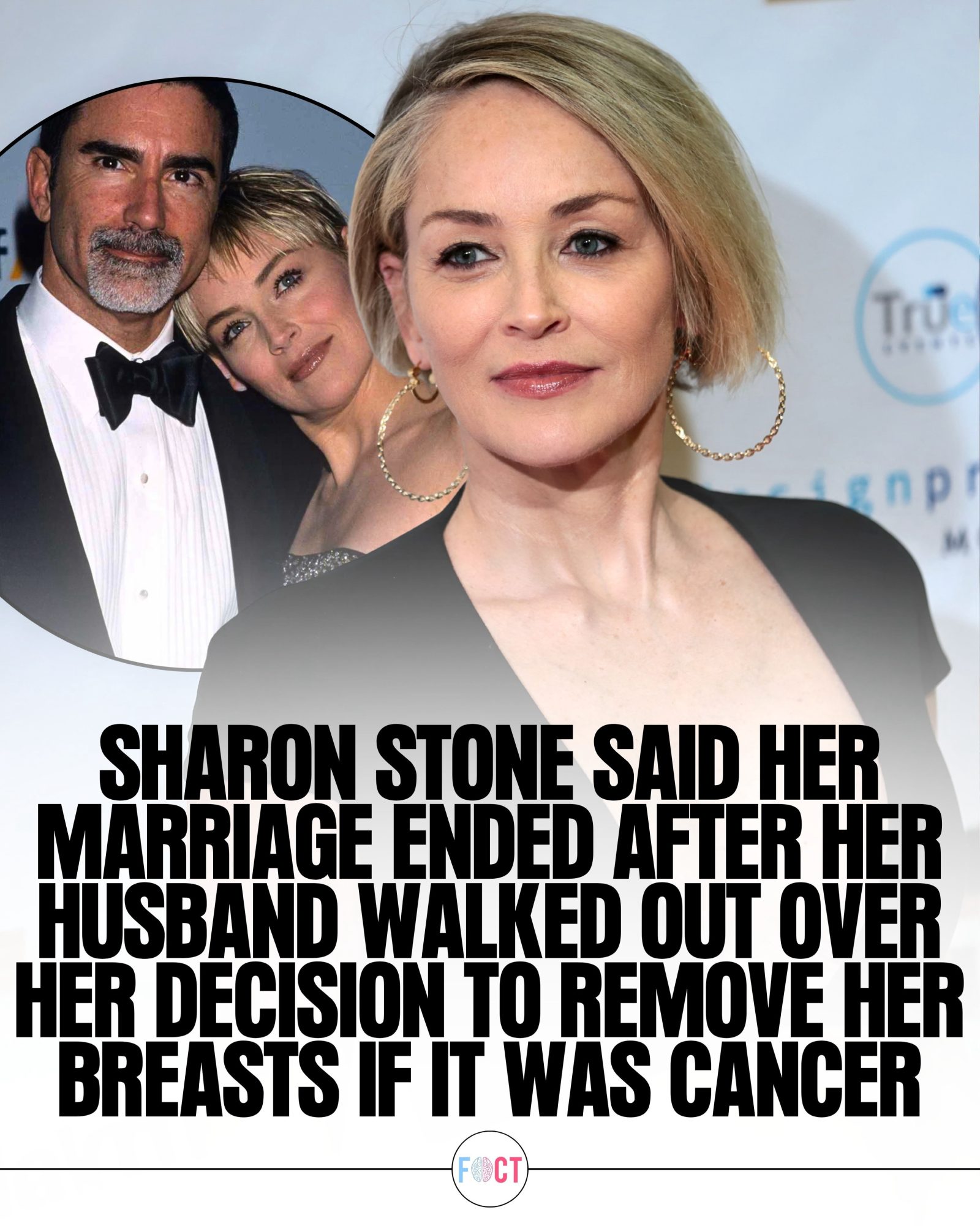
Sharon Stone's Marriage and the Decision That Changed Everything
Sharon Stone's marriage and the circumstances surrounding its end have been a topic of public interest, especially when considering her decision about breast health. According to Stone, a critical turning point in her relationship was marked by a significant medical revelation and the subsequent reactions of her husband. This story, which has become one of her most talked-about personal revelations, sheds light on the complexities of personal autonomy, support during medical crises, and the challenging choices faced when confronting a potentially life-threatening diagnosis.
Context / Why This Matters
The narrative of Sharon Stone's marriage is not just a story about a celebrity but a reflection on broader themes that resonate with many. Personal autonomy, the importance of support during medical crises, and the difficult decisions that people face when dealing with health issues are all key elements that make this story relevant to a wider audience. Understanding these elements can provide insights into the broader context of relationships and personal decision-making in the face of adversity.
Sharon Stone's Cancer Diagnosis and Her Husband's Reaction
When doctors warned Sharon Stone about a suspicious breast mass, she immediately made a decision that would change the course of her life. "I am deciding that I will have a bilateral, because I’m not f**king around," she stated. According to Stone, her husband responded unfavorably. He objected to her decision to remove her breasts if it was cancer, stated, "this is ridiculous," and walked out of the room. The husband was upset not about the potential cancer diagnosis but because of the breasts being removed. The doctor, impressed by her decisiveness, commented, "If I had more patients like her, we’d have more women alive today. You need to sit down."
Stone's response to her husband was clear and firm: "I make the decisions. Not you." This moment marked a significant turning point in their relationship, ultimately leading to the end of their marriage. Stone's decision to prioritize her health and her autonomy in handling the situation contrasts starkly with her husband's reaction, which was more concerned with the cosmetic implications than her overall well-being.
Personal Autonomy and Medical Decisions
Stone's story highlights the importance of personal autonomy, especially in medical decisions. Making decisions about one's health is a deeply personal matter, and it's crucial for individuals to feel empowered to make choices that align with their values and priorities. In this case, Stone's decision to have a bilateral mastectomy was driven by her desire to take proactive steps to address a potential health issue. Her autonomy in this decision is a powerful reminder of the importance of self-determination in healthcare.
The Role of Support in Medical Crises
The story also underscores the critical role of support during medical crises. The reaction of Stone's husband to her decision was a stark reminder of the emotional and psychological challenges that can arise in such situations. Support from loved ones can make a significant difference in how an individual navigates a health crisis. The support of a partner can provide the confidence and strength needed to face difficult treatments and decisions. Stone's experience, however, serves as a cautionary tale about the potential lack of support and the impact it can have on a relationship.
The Challenges of Confronting Life-Threatening Diagnoses
Confronting a life-threatening diagnosis is an overwhelming experience. The challenges involved in making decisions about treatment, managing the emotional toll, and dealing with potential changes to one's body and life are immense. Stone's story is a poignant reminder of the difficult choices people face in such situations. Her decision to prioritize her health, even in the face of strong opposition, underscores the importance of resilience and determination in confronting such challenges.
Practical Tips
- Empower Yourself: Take control of your health decisions by educating yourself on your options and the potential outcomes.
- Seek Support: Surround yourself with supportive individuals who understand and respect your decisions, even if they differ from what others might expect.
- Communicate Clearly: Ensure that your loved ones understand your choices and the reasons behind them. Clear communication can help manage expectations and mitigate conflicts.
- Focus on Wellbeing: Remember that prioritizing your health and well-being is essential, especially in medical crises. Cosmetic concerns should not overshadow the importance of life-saving treatments.
- Professional Guidance: Rely on healthcare professionals to guide you through your decisions. Their expertise can provide valuable insights and support throughout your journey.
Important Takeaways
- Personal Autonomy: The importance of making decisions that align with one's values and priorities.
- Support Systems: The critical role of supportive partners and loved ones in navigating health crises.
- Resilience: The resilience needed to face life-threatening diagnoses and the difficult choices that come with them.
- Communication: The value of open and honest communication in managing relationships and expectations during medical crises.
- Health Priorities: The necessity of prioritizing health and well-being over cosmetic concerns.
Conclusion
Sharon Stone's story about her decision to undergo a bilateral mastectomy and the subsequent end of her marriage serves as a powerful narrative about personal autonomy, the importance of support, and the challenges of confronting life-threatening diagnoses. Her experience underscores the complexities of relationships and the critical role of self-determination in healthcare. Understanding these broader themes can provide valuable insights into the decisions we face and the support we need in times of crisis.
Watch the Reel
Questions readers ask
How did Sharon Stone's breast cancer diagnosis affect her marriage?
Sharon Stone's breast cancer diagnosis and her decision to undergo a bilateral mastectomy significantly impacted her marriage. The medical crisis and subsequent reactions from her husband brought to the surface complex dynamics and choices within their relationship, ultimately leading to their divorce.
What role did Sharon Stone's husband play during her health crisis?
Sharon Stone's husband was a significant factor in the deterioration of their marriage. The way he responded to her breast cancer diagnosis and her decision to undergo surgery left Stone feeling unsupported and ultimately led to their separation.
What is a bilateral mastectomy and why did Sharon Stone choose this procedure?
A bilateral mastectomy is a surgical procedure where both breasts are removed. Sharon Stone opted for this procedure following her breast cancer diagnosis. This decision was likely influenced by her desire to reduce her risk of cancer recurrence and to take control of her health in the face of a life-threatening diagnosis.
How common is it for marriages to end due to health crises, such as breast cancer diagnosis?
While it is not uncommon for health crises to strain relationships, it is difficult to quantify exactly how often marriages end due to such events. Each situation is unique, but it is clear that confronting a serious illness like breast cancer can reveal underlying issues in a marriage and test the strength of a couple's commitment to each other.
What can couples do to strengthen their relationship during a health crisis?
Couples can take several steps to strengthen their relationship during a health crisis. Open communication, seeking support from professionals, and maintaining a strong support system can all help. Additionally, it is important for both partners to express their needs and to work together to navigate the challenges that arise during such a difficult time.
How did Sharon Stone's personal life change after her breast cancer diagnosis?
Sharon Stone's personal life underwent significant changes following her breast cancer diagnosis. She underwent a bilateral mastectomy and ultimately went through a divorce. These events not only affected her personal life but also brought public attention to the complexities of relationships during health crises and the importance of personal autonomy in making critical health decisions.
How does Sharon Stone's story relate to broader themes of marriage and cancer?
Sharon Stone's story highlights several broader themes of marriage and cancer. It underscores the impact of a serious illness on a relationship, the importance of support during medical crises, and the challenges that arise when confronting a potentially life-threatening diagnosis. Her experience also sheds light on the dynamics of decision-making and personal autonomy during a health crisis.
Related deep dives
Similar reads based on topic and creator.

Recent articles
Fresh deep dives from the latest Reels we unpacked.




Comments
Be the first to comment.