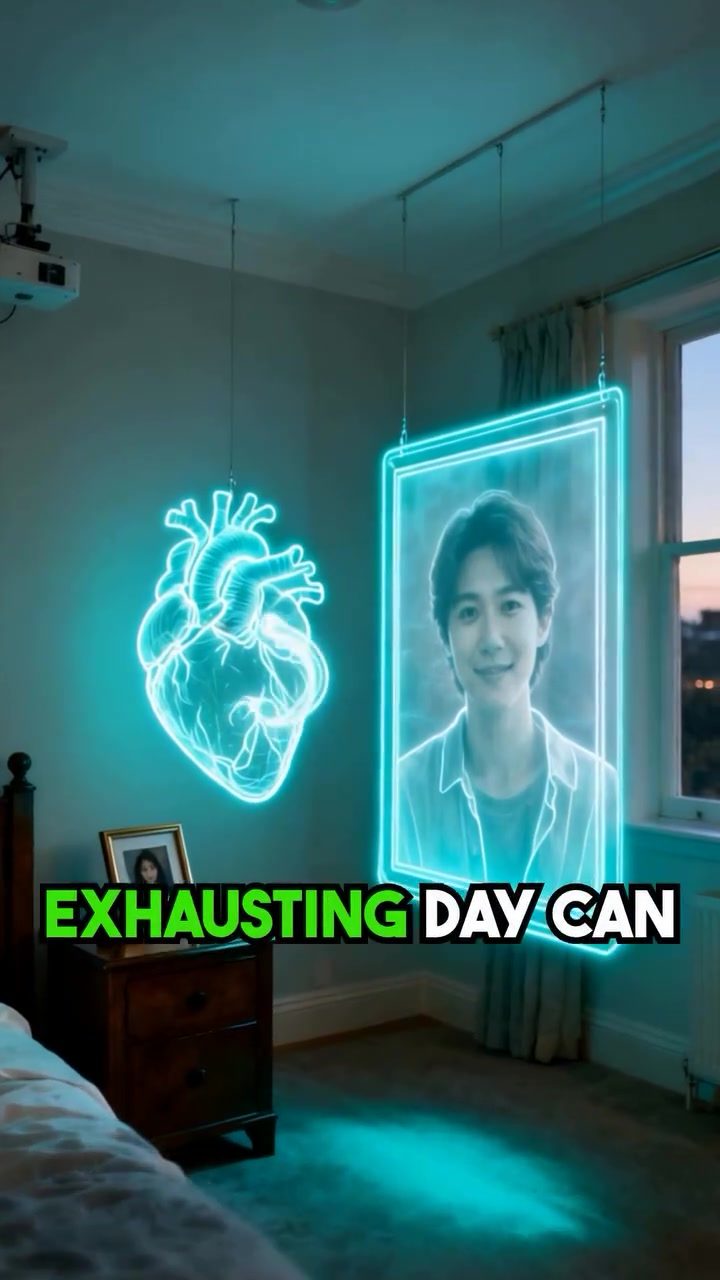
Seeing Loved Ones: A Path to Calm and Well-being
When life gets overwhelming, there's a simple yet powerful remedy that can help your body settle: seeing someone you love. Research shows that connecting with a loved one, even if it's just looking at a photo, can lower stress and lift your mood. This powerful effect is rooted in the brain's reward and bonding systems, which release hormones like dopamine, oxytocin, and cortisol. Here’s what you need to know about this natural stress reliever.
Why This Matters
The mind-body connection is a complex interplay of hormones and neural responses. When you see someone you love, your brain responds by activating areas linked to pleasure, motivation, and bonding. Understanding this connection can help you harness the power of human connection to manage stress more effectively.
The Science of Connection
The Role of Hormones
When you look at a loved one, your brain releases several key hormones that contribute to your overall well-being:
- Dopamine: This neurotransmitter is associated with pleasure and reward. It creates a sense of happiness and motivation, helping to reduce stress levels.
- Oxytocin: Known as the "bonding hormone," oxytocin promotes feelings of trust, security, and affection. It also plays a role in lowering cortisol, the stress hormone.
- Cortisol: This hormone is often associated with stress. When you see someone you love, cortisol levels can decrease, allowing your body to relax and recover from stress.
The Calming Response
The calming response that comes from seeing a loved one goes beyond just mood improvement. It can positively affect your physiological responses, such as heart rate and blood pressure, helping them to settle faster. This response is not just mental; it involves your entire nervous system reading the connection as a safe and secure environment.
How Connection Helps
Reducing Pain and Stress
Studies have shown that people who look at photos of their romantic partners report feeling less pain during stressful situations compared to those looking at photos of strangers. This highlights the powerful effect that even a visual connection with a loved one can have on your body.
Supporting Heart Rate and Blood Pressure
The presence of a loved one, whether in person, on a video call, or in a photo, can help regulate your heart rate and blood pressure. This is because the nervous system interprets the safe connection as a security blanket, reducing neural threat responses and promoting a state of calm.
Beyond Romance
The benefits of human connection are not limited to romantic relationships. Family members, close friends, and other loved ones can also create a sense of safety and security. This means that anyone you have a close bond with can help you feel more at ease, whether they are physically present, on a video call, or even in a photo album.
Practical Tips
Incorporating Connection into Daily Life
- Create a Photo Wall: Surround yourself with photos of loved ones in your home or workspace. This can provide a constant reminder of your support system and help lower stress levels.
- Schedule Video Calls: Regular video calls with family and friends can provide a sense of connection and help you feel grounded, even when you're physically apart.
- Live in the Moment: When you are with loved ones, make an effort to be fully present. Engage in activities you enjoy together and savor the moments of connection.
- Practice Mindfulness: Take a few moments each day to focus on the positive emotions and feelings of security that come from being with or thinking about someone you love.
Mindful Practices
- Deep Breathing Exercises: Combine deep breathing with thoughts of loved ones to enhance the calming effect.
- Gratitude Journaling: Write down moments of connection and gratitude for the people in your life. This can reinforce the positive feelings and reduce stress.
Important Takeaways
- Seeing someone you love can activate your brain's reward system, releasing dopamine and oxytocin, which help reduce stress and promote well-being.
- The calming response from seeing a loved one can affect both mental and physical health, helping to regulate heart rate and blood pressure.
- The benefits of human connection are not limited to romantic relationships; family and close friends can also provide a sense of safety and security.
Conclusion
The power of human connection is undeniable. Whether it's a quick glance at a photo, a video call, or spending quality time together, seeing someone you love can have a profound impact on your stress levels and overall well-being. By incorporating these connections into your daily life, you can harness the natural stress-relieving benefits that come from being with loved ones.
Watch the Reel
Questions readers ask
How do seeing loved ones affect my brain?
When you see and connect with loved ones, your brain's reward and bonding systems are activated. This causes the release of mood-boosting hormones, like dopamine and oxytocin, which help to lower stress levels and reduce heart rate and blood pressure. Seeing loved ones can also decrease cortisol, a stress hormone.
Can video calls with loved ones also reduce stress?
Yes, video calls can also provide stress relief. Seeing loved ones, even through a screen, activates the same brain systems as in-person interactions. This can help release mood-boosting hormones and reduce stress, making video calls a great tool for maintaining well-being, especially when in-person meetings aren't possible.
What are the benefits of connecting with family and friends online?
Connecting with family and friends online can help lower stress, boost mood, and decrease cortisol. These interactions can also provide a sense of happiness, motivation, and social well-being.
How often should I connect with loved ones to boost my mood?
There's no set frequency, but making an effort to connect with loved ones regularly can help. Even a quick video call or message can help boost mood and lower stress. Try to incorporate regular check-ins with loved ones into your weekly routine.
Can just looking at photos of loved ones help lower stress?
Yes, looking at photos of loved ones can help lower stress and improve mood. Seeing familiar, loved faces can activate the brain's reward and bonding systems, leading to the release of mood-boosting hormones and a calming response. It's a great way to quickly improve your emotional state.
What hormones are released when I see someone I love?
When you see someone you love, your brain releases several hormones, including dopamine, which is associated with pleasure and reward, and oxytocin, which is linked to bonding and trust. Additionally, levels of cortisol, a stress hormone, can decrease, contributing to an overall sense of calm and well-being.
How does connecting with loved ones help reduce my heart rate and blood pressure?
Connecting with loved ones activates the brain's reward and bonding systems, which in turn, release mood-boosting hormones. These hormones promote a calming response in the body, helping to reduce heart rate and lower blood pressure, which are key indicators of stress levels. This physiological response contributes to an overall sense of well-being and happiness.
Recent articles
Fresh deep dives from the latest Reels we unpacked.




Comments
Be the first to comment.