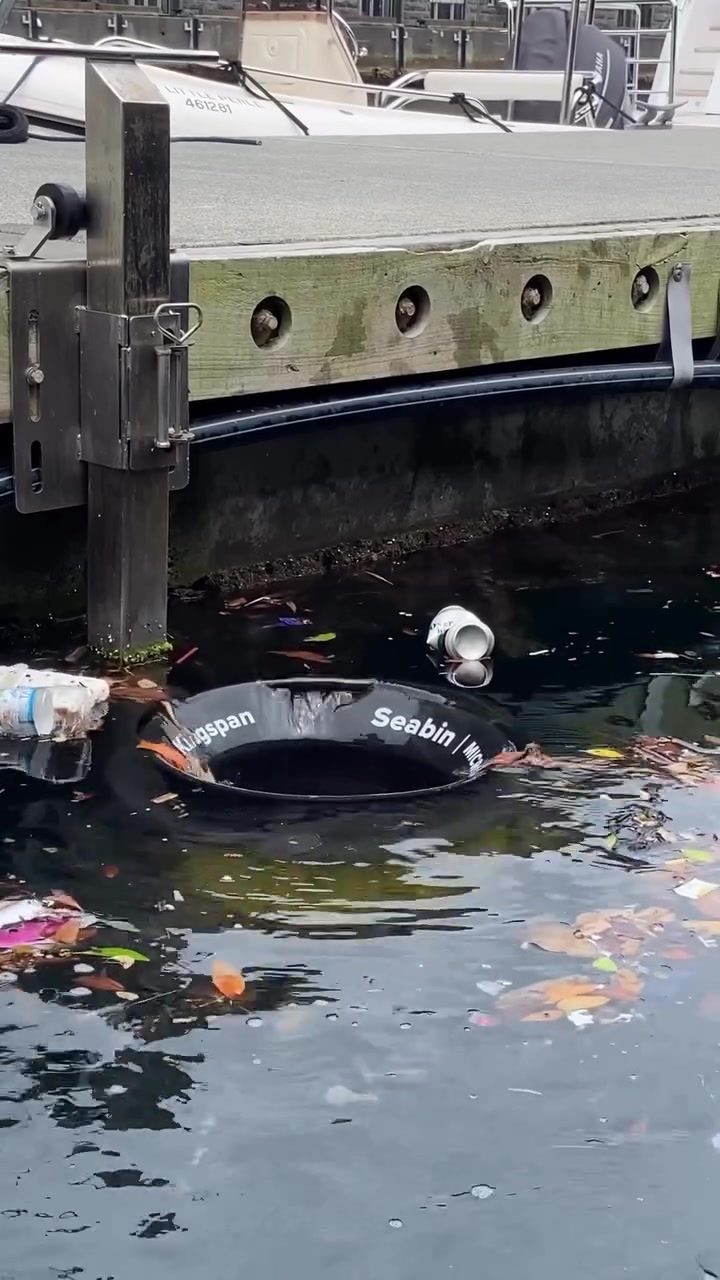
Seabin Technology: A Game Changer for Sydney Harbour
The Seabin is an ocean cleaning device designed to make a significant impact on water quality, particularly in urban harbors. It operates by filtering out various pollutants, including plastics, microplastics, and other debris, from the water. Each unit is capable of filtering 481.2 million liters of water per year, making it a powerful tool in the fight against plastic pollution.
Why This Matters
Plastic pollution is a pressing environmental issue, particularly in urban waterways like Sydney Harbour. The sheer volume of water that flows through these areas means that even small amounts of plastic can accumulate quickly, posing a threat to marine life and the overall health of the ecosystem. The Seabin technology addresses this problem by continuously filtering water, collecting pollutants, and providing valuable data to help understand and mitigate plastic pollution.
Seabin Technology: How It Works
The Design and Function
The Seabin is designed to be a low-maintenance, efficient solution for water pollution. It consists of a floating device that sits at the water’s surface, equipped with a pump and filter system. The pump draws water into the device, where the filter traps floating debris, plastics, and microplastics. The collected pollutants are then stored in a removable bin, which can be easily emptied and cleaned. This design allows for continuous operation, making it an effective tool for maintaining water quality in harbors and marinas.
Impact on Sydney Harbour
Sydney Harbour is a bustling waterway with a high volume of marine traffic and recreational activities, making it particularly vulnerable to pollution. The Seabin units deployed in the harbor have been instrumental in reducing the amount of plastic and other pollutants in the water. Each unit’s ability to filter millions of liters of water annually has not only contributed to the preservation of Sydney’s waterways but also provided valuable data.
Data Collection and Analysis
One of the most significant aspects of the Seabin technology is its ability to generate data on the types and quantities of pollutants collected. This data is crucial for understanding the specific challenges faced by Sydney Harbour and developing targeted solutions. By analyzing the collected pollutants, researchers can identify trends, sources of pollution, and potential areas for improvement in waste management and environmental policies.
Practical Tips for Using Seabin
Placement and Maintenance
While the Seabin is designed to be low-maintenance, it’s important to place the units in strategic locations where they can maximize their effectiveness. Harbors, marinas, and other areas with high levels of water traffic are ideal. Regular maintenance, such as emptying the collection bin and cleaning the filter, is essential to keep the device operating efficiently.
Monitoring and Data Analysis
Regularly monitoring the data collected by the Seabin can provide valuable insights into the health of the waterway. This information can be used to inform environmental policies, waste management strategies, and public awareness campaigns. By staying informed and proactive, communities can take meaningful steps towards reducing plastic pollution.
Community Engagement
Encouraging community involvement in the Seabin project can enhance its impact. Involving local volunteers in the maintenance and data collection process can raise awareness about the importance of keeping waterways clean. Additionally, public events and educational programs can help spread the message and inspire more people to get involved in environmental conservation efforts.
Important Takeaways
The Power of Technology
The Seabin technology serves as a testament to the power of innovative solutions in addressing environmental challenges. By leveraging technology, we can develop effective tools that not only clean our waterways but also provide valuable data to inform future actions.
Collective Responsibility
Combating plastic pollution is a collective responsibility. While technologies like the Seabin are crucial, they are most effective when complemented by community engagement and proactive environmental policies. Each of us has a role to play in preserving our waterways and protecting marine ecosystems.
The Future of Water Cleaning
The Seabin is just one example of the many innovative solutions being developed to tackle plastic pollution. As technology continues to advance, we can expect to see even more effective and efficient ways to clean our waterways and protect our environment. These advancements will play a vital role in creating a sustainable future for generations to come.
Conclusion
The Seabin ocean cleaning device is a groundbreaking innovation in the fight against plastic pollution. Its ability to filter millions of liters of water annually, combined with its data collection capabilities, makes it an invaluable tool for preserving water quality and understanding the challenges posed by plastic waste. By leveraging such technologies, we can take significant strides towards a cleaner, healthier environment for all.
Watch the Reel
Questions readers ask
How does the Seabin technology help in cleaning Sydney Harbour?
Seabin technology utilizes a floating device that acts like a trash can for the ocean. It pumps water from the harbor to filter out pollutants, including plastics, microplastics, and other debris, continuously providing a significant improvement in the harbour's water quality.
What kind of pollutants does the Seabin remove from the water?
The Seabin is designed to capture a wide range of pollutants, including plastics, microplastics, oil, and other debris. This makes it an effective solution for addressing the diverse types of pollution found in urban harbors like Sydney Harbour.
How much water can a single Seabin unit process in a year?
A single Seabin unit can filter an impressive 481.2 million liters of water annually. This high processing capacity allows it to make a substantial impact on the water quality of a busy harbor like Sydney Harbour.
Why is cleaning Sydney Harbour important?
Sydney Harbour, being a bustling urban waterway, faces significant pollution challenges. Cleaning efforts, such as those provided by Seabin, ensure the safety of marine life and preserve the health of the overall ecosystem in the harbor.
Can Seabin technology help with microplastic pollution?
Yes, Seabin technology is specifically designed to remove microplastics from the water, which are a prevalent and harmful form of pollution in urban harbors. This contributes to the overall reduction of plastic debris in the marine environment.
How does the Seabin's continuous operation benefit the harbor?
The Seabin's continuous operation ensures that it is always working to capture pollutants, providing a steady and effective solution to maintaining water quality in Sydney Harbour. This constant effort helps to minimize the accumulation of pollutants over time.
Related deep dives
Similar reads based on topic and creator.




Recent articles
Fresh deep dives from the latest Reels we unpacked.




Comments
Be the first to comment.