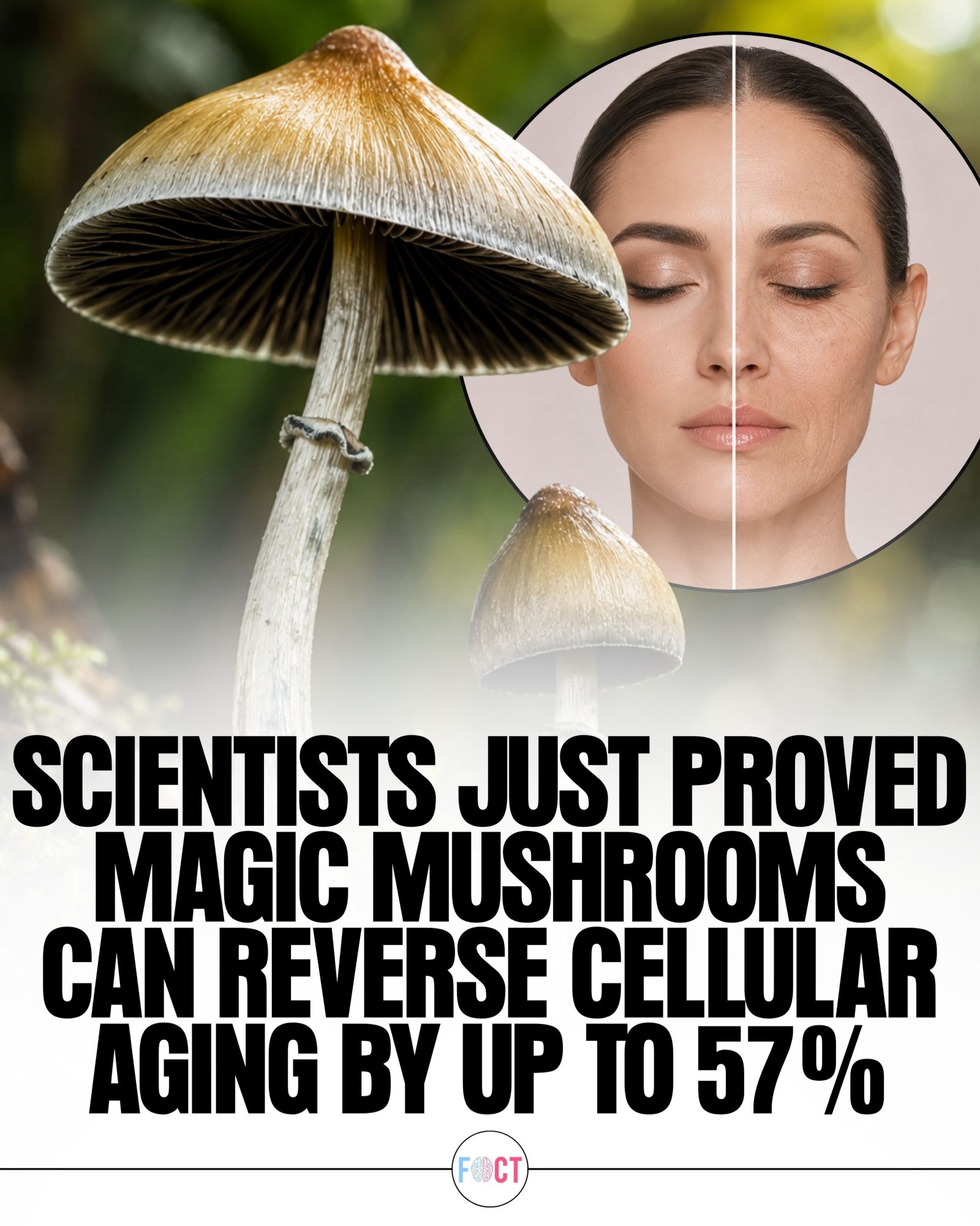
Magic Mushrooms and Aging
Recent scientific breakthroughs have challenged long-held beliefs about aging, particularly the role of psilocybin, a compound found in magic mushrooms. For decades, scientists believed aging was an inevitable process that could be slowed but not fundamentally altered. However, new research suggests that psilocin, the active metabolite of psilocybin, may have the potential to reverse cellular aging.
Context / Why this Matters
The ongoing quest to understand and influence the aging process is driven by the desire to improve both the length and quality of human life. Traditional views on aging have focused on slowing down the process, rather than reversing it. Recent studies, however, are revealing new pathways that could fundamentally alter how we approach aging. One such pathway involves the use of psilocin, a compound derived from magic mushrooms.
Main Discussion
The Science Behind Psilocin and Aging
A recent peer-reviewed study published in npj Aging provides compelling evidence that psilocin can extend the lifespan of human skin and lung cells by up to 57% under laboratory conditions. The study found that cells treated with psilocin exhibited lower levels of oxidative stress, improved DNA repair responses, and preserved telomere length. These findings are significant because they suggest that psilocin may have a direct impact on cellular aging mechanisms.
Psilocin vs. Psilocybin
It's important to distinguish between psilocin and psilocybin. Psilocybin is the naturally occurring compound found in magic mushrooms, while psilocin is its active metabolite. When psilocybin is ingested, it is converted to psilocin in the body. The study focused on psilocin because it is the active compound that interacts with cellular processes.
Animal Studies and Longevity
In addition to the cellular studies, the research also included animal trials. Aged mice given psilocybin lived longer and showed signs of healthier aging. This provides further evidence that the compound may have a positive impact on the aging process. However, it is crucial to note that these results are based on animal studies and laboratory conditions, not human clinical trials. Further research is needed to understand the full implications for humans.
Practical Tips
While the research on psilocin and aging is promising, it is essential to approach it with caution. Here are some practical tips:
Consult with Healthcare Professionals
Before considering any form of psychedelic treatment, it is crucial to consult with a healthcare professional. Psilocybin and psilocin are powerful compounds that can have significant psychological and physiological effects. Medical supervision is essential to ensure safety and efficacy.
Stay Informed
The field of aging research is rapidly evolving. Staying informed about the latest developments can help you make informed decisions about your health. Follow reputable sources and scientific publications to stay up-to-date on the latest findings.
Participate in Clinical Trials
As more research is conducted, there may be opportunities to participate in clinical trials. These trials are carefully designed to test the safety and efficacy of new treatments and can provide valuable insights into the potential benefits and risks.
Important Takeaways
-
Scientific Advances: Recent studies suggest that psilocin, the active metabolite of psilocybin, may have the potential to reverse cellular aging. The compound has been shown to extend the lifespan of human cells and improve markers of healthy aging in animal studies.
-
Caution: While the findings are promising, it is important to approach this research with caution. Much more research is needed to fully understand the implications for humans and to develop safe and effective treatments.
-
Holistic Approach: Aging is a complex process influenced by a variety of factors. A holistic approach that includes lifestyle changes, proper nutrition, and regular exercise, along with potential medical interventions, may be the most effective way to promote healthy aging.
Conclusion
The potential of psilocin to reverse cellular aging represents a significant breakthrough in the field of aging research. While the findings are promising, it is essential to approach this research with caution and to stay informed about the latest developments. By doing so, we can hope to unlock the secrets of healthy aging and improve the quality of life for future generations.
Watch the Reel
Questions readers ask
What is psilocybin and how is it connected to magic mushrooms?
Psilocybin is a naturally occurring psychedelic compound found in certain types of mushrooms, commonly known as magic mushrooms. It is the precursor to psilocin, which is believed to be responsible for the potential benefits on cellular aging and health.
How does psilocin potentially reverse the aging process?
Psilocin, the active metabolite of psilocybin, has been shown in studies to extend the lifespan of human cells and improve overall cellular health. This suggests that it may have the ability to reverse certain aspects of cellular aging.
What are the potential benefits of psilocybin on human longevity?
Research indicates that psilocybin, through its metabolite psilocin, could potentially extend human lifespan by improving cellular health and reversing some aspects of aging at the cellular level.
Are there any ongoing studies on the anti-aging effects of magic mushrooms?
Yes, there are ongoing studies exploring the anti-aging properties of magic mushrooms. These studies focus on the role of psilocin in reversing cellular aging and improving overall health.
What does recent research suggest about the role of psilocybin in the aging process?
Recent research suggests that psilocybin, through its active metabolite psilocin, may offer new insights into the aging process by potentially reversing cellular aging and extending the lifespan of human cells.
Can psilocybin improve cellular health?
Studies have shown that psilocin, derived from psilocybin, can improve cellular health by extending the lifespan of human cells and potentially reversing some aging processes at the cellular level.
What makes psilocybin a promising compound for aging research?
Psilocybin is promising for aging research due to its potential to reverse cellular aging through its metabolite psilocin. This could lead to improvements in both the length and quality of human life.
Recent articles
Fresh deep dives from the latest Reels we unpacked.




Comments
Be the first to comment.