Synthetic Life Forms: The Biological Revolution
Introduction
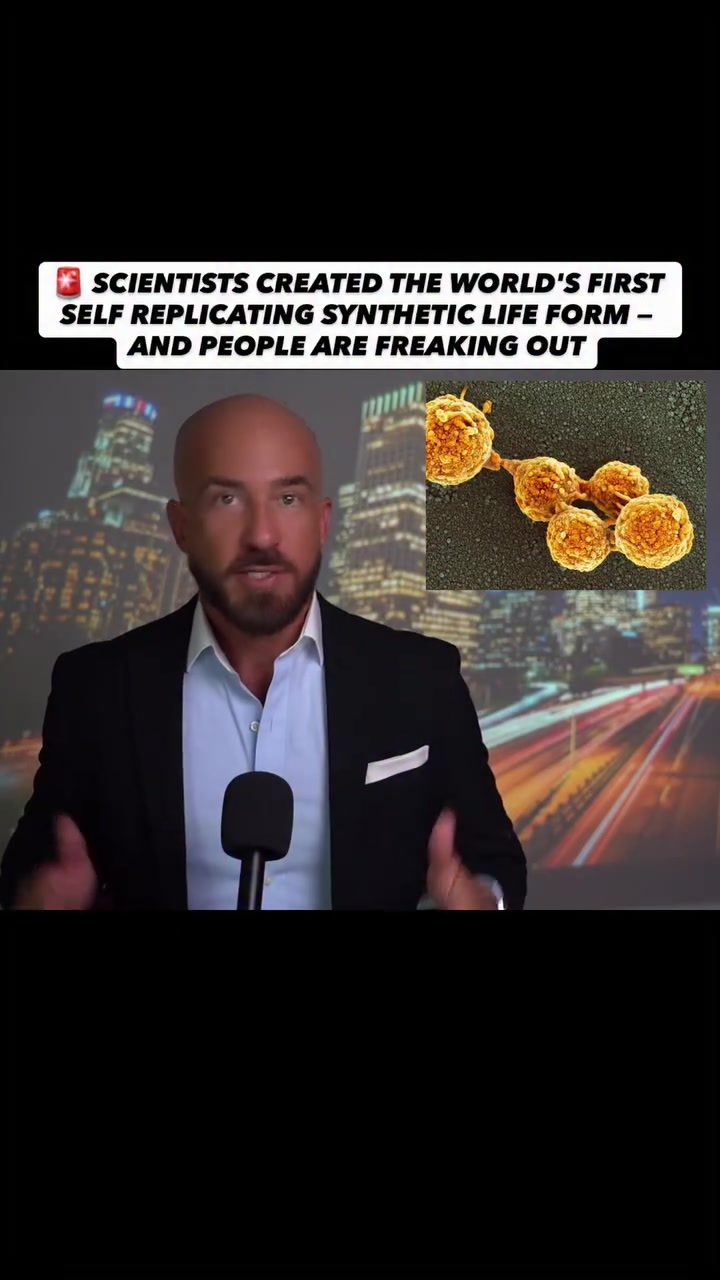
The creation of the world's first self-replicating synthetic life form has sparked widespread interest and debate. This scientific breakthrough, achieved after roughly 15 years and $40 million in investment, represents a monumental leap in synthetic biology. The organism, designed on a computer and manufactured in a laboratory, immediately began replicating itself. This feat has significant implications for various fields, from medicine to energy production.
Context / Why this Matters
The ability to create synthetic life forms opens up a new frontier in biological research. The implications are vast, ranging from the development of new medicines to the creation of bioengineered fuels. Understanding the potential of this technology is crucial for appreciating its impact on future scientific and industrial advancements.
Main Discussion
The Creation of Synthetic Life
The organism's genetic code was meticulously designed on a computer and synthesized in a laboratory. This synthetic DNA allowed the organism to replicate itself indefinitely, a process that captured global attention. The scientists behind this project described DNA as the "software of life," emphasizing the potential to rewrite the code from scratch.
The process involved designing the genetic code on a computer, manufacturing the DNA in a laboratory, and then activating it. Once activated, the organism began replicating itself, marking a significant milestone in synthetic biology. The organism, a type of bacteria similar to one found in the intestines of goats, is the first of its kind to be entirely designed and manufactured by humans.
The potential applications of this technology are vast. Researchers believe that synthetic DNA could be used to create new medicines, faster vaccines, cleaner fuels, and custom-designed organisms. For instance, future vaccines could potentially be designed in less than 24 hours using synthetic DNA processes, a significant improvement over current methods that take months.
The Ethical and Scientific Implications
The creation of synthetic life raises profound ethical and scientific questions. Supporters view it as one of the most important scientific breakthroughs of the modern era, while critics worry about the ethical boundaries and potential misuse of this technology. The lead researcher behind the project, Dr. Craig Venter, emphasized that the future of synthetic biology lies in understanding how to write the genetic code of life, not just read it.
The implications of this breakthrough extend beyond immediate applications. Venter sees a future where bioengineered organisms are used to produce a wide range of products, from fuels to medicines. The first practical applications of this technology are expected to appear in the next few years, with the possibility of bioengineered vaccines becoming a reality soon.
Practical Tips
While the full potential of synthetic life forms is still being explored, there are several practical steps that can be taken to stay informed and engaged with this advancing field:
-
Stay Informed: Keep up with the latest research and developments in synthetic biology. Follow reputable scientific journals and news outlets for the most current information.
-
Engage in Dialogue: Participate in discussions and forums about the ethical and scientific implications of synthetic life. Engaging with experts and fellow enthusiasts can provide valuable insights and perspectives.
-
Support Responsible Research: Advocate for ethical guidelines and regulations that ensure the responsible use of synthetic biology. This includes supporting initiatives that promote transparency and accountability in research.
Important Takeaways
-
Technological Milestone: The creation of the world's first self-replicating synthetic life form is a significant milestone in synthetic biology. It marks a new era in our ability to design and manipulate genetic code.
-
Practical Applications: The technology has the potential to revolutionize various fields, including medicine, energy production, and environmental conservation. Future vaccines, for example, could be designed in a fraction of the time currently required.
-
Ethical Considerations: The ethical implications of creating synthetic life are profound. It is essential to engage in thoughtful discussions and develop guidelines that ensure the responsible use of this technology.
-
Future Potential: The future of synthetic life is promising, with practical applications expected in the next few years. This technology could lead to a biological revolution, where bioengineered organisms are used to produce a wide range of products.
Conclusion
The creation of the world's first self-replicating synthetic life form is a groundbreaking achievement with far-reaching implications. From the potential to revolutionize medicine to the ethical considerations it raises, this breakthrough is set to shape the future of biological research and development. As we continue to explore and understand the potential of synthetic life, it is crucial to engage in thoughtful discussions and advocate for responsible use. The future of synthetic biology is bright, and its impact on our world is only beginning to be realized.
Watch the Reel
Questions readers ask
What is a self-replicating synthetic life form?
A self-replicating synthetic life form is an organism created in a lab that can reproduce indefinitely. This is achieved by designing its genetic code on a computer and then synthesizing its DNA in a laboratory, enabling it to replicate on its own.
What are the potential applications of synthetic life forms?
Synthetic life forms have a wide range of potential applications. In medicine, they could be used to produce new drugs or treat diseases. In energy production, they might help create biofuels. Other areas of interest include environmental remediation and the development of new materials.
How was the first self-replicating synthetic life form created?
The first self-replicating synthetic life form was created through a combination of computer design and lab synthesis. Scientists designed the organism's genetic code on a computer, then manufactured its DNA in a lab, leading to a life form capable of replicating indefinitely.
What challenges might synthetic biology face in the future?
While synthetic biology holds great promise, it also faces challenges. These include ensuring the safety and containment of synthetic organisms, addressing ethical concerns, and navigating regulatory frameworks. Additionally, there are technical hurdles to overcome, such as designing increasingly complex organisms.
How long did it take to create the first self-replicating synthetic life form?
The development of the first self-replicating synthetic life form took approximately 15 years and required an investment of about $40 million. This significant time and financial commitment underscore the complexity of the task and the extensive research involved.
What is the significance of designing life forms on a computer?
Designing life forms on a computer allows for precise control over genetic code, enabling scientists to create organisms with specific traits or capabilities. This approach can lead to the development of life forms tailored for particular applications, such as producing valuable compounds or breaking down environmental pollutants.
What are the next steps in synthetic biology research?
Next steps in synthetic biology research include advancing our understanding of complex biological systems, developing new tools for DNA synthesis and genome editing, and exploring the potential of synthetic life forms in various industries. Ongoing research will also focus on addressing safety and ethical considerations, as well as expanding the range of applications for these innovative organisms.
Related deep dives
Similar reads based on topic and creator.




Recent articles
Fresh deep dives from the latest Reels we unpacked.




Comments
Be the first to comment.