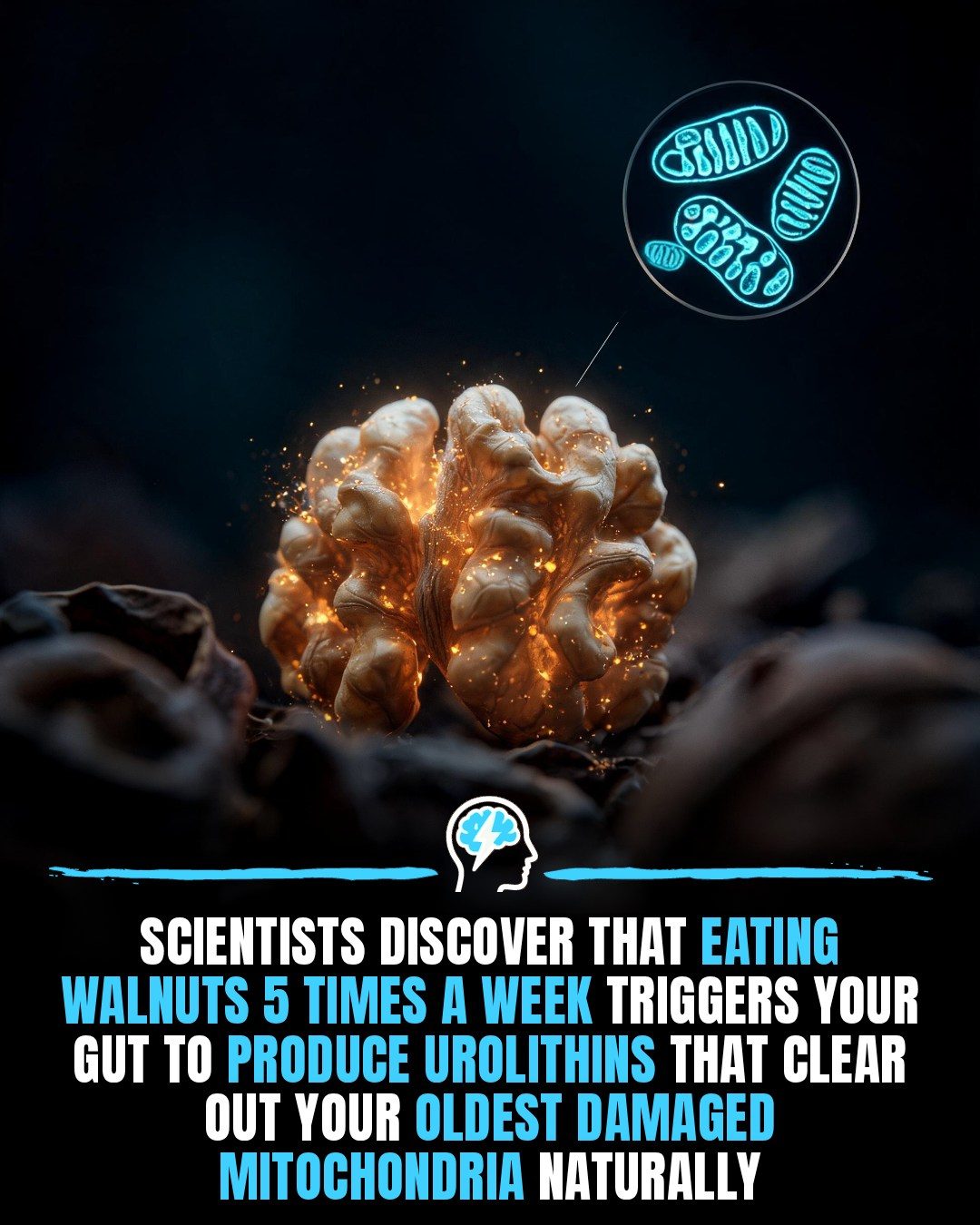
Walnuts: A Superfood for Cellular Renewal
Walnuts are not just a tasty snack; they play a crucial role in cellular renewal and overall health. Recent scientific discoveries have shed light on the powerful benefits of incorporating walnuts into your weekly diet. Understanding how walnuts contribute to mitochondrial health and overall well-being can transform your perspective on this humble nut.
Why This Matters
The health benefits of walnuts extend far beyond their nutritional value. They contain specific compounds that trigger crucial processes in the body, contributing to cellular renewal and enhanced overall health. The science behind this involves complex interactions within the gut and mitochondria, the powerhouses of our cells.
The Science Behind Walnuts and Cellular Renewal
Ellagitannins and Urolithins
Walnuts are rich in ellagitannins, a type of polyphenol. Once these ellagitannins reach the gut, beneficial bacteria transform them into urolithins, particularly Urolithin A. This compound is pivotal in initiating mitophagy, the body's process for clearing out damaged and worn-out mitochondria.
Mitophagy and Energy Production
Mitochondria are often referred to as the "power plants" of the cell because they generate energy. As we age, these power plants can become sluggish, leading to fatigue and reduced cellular function. Mitophagy helps clear out the old, damaged mitochondria, making way for new, efficient ones. This process is akin to an internal recycling system for energy, ensuring that cells remain functional and energetic.
The Role of the Gut Microbiome
The conversion of ellagitannins into urolithins depends heavily on the gut microbiome. A healthy, diverse gut microbiome is essential for this transformation. Pairing walnuts with fiber-rich foods can support a healthy microbiome, enhancing the production of urolithins.
Practical Tips for Incorporating Walnuts into Your Diet
Consistency is Key
To reap the benefits of walnuts, consistency is crucial. Aim to eat walnuts at least five times a week. A serving size of about one ounce is recommended to maintain a steady supply of precursors for urolithin production.
Pair with Fiber-Rich Foods
To maximize the conversion of ellagitannins into urolithins, pair walnuts with fiber-rich foods. This approach supports a healthy gut microbiome, which is essential for the transformation process.
Simple Whole Foods
Incorporate walnuts into a diet rich in simple, whole foods. Avoid processed foods and opt for natural, unprocessed options to support overall health and the beneficial effects of walnuts.
Important Takeaways
- Walnuts are a powerful tool for cellular renewal due to their rich content of ellagitannins, which are converted into urolithins by gut bacteria.
- Urolithins, particularly Urolithin A, trigger mitophagy, the body's process for clearing out damaged mitochondria.
- Eating walnuts consistently—at least five times a week—can support mitochondrial health and overall well-being.
- A healthy gut microbiome is essential for the conversion of ellagitannins into urolithins. Pair walnuts with fiber-rich foods to support this process.
Conclusion
Walnuts offer more than just a tasty snack; they are a key player in cellular renewal and overall health. By incorporating walnuts into your diet consistently and pairing them with fiber-rich foods, you can support a healthy gut microbiome and enhance mitochondrial function. This proactive approach to aging from the inside out can lead to improved muscle strength, cognitive function, and cardiovascular resilience. Embrace the power of walnuts and experience the transformative benefits they offer.
Watch the Reel
Questions readers ask
What are ellagitannins and how do they contribute to cellular renewal in walnuts?
Ellagitannins are powerful compounds found in walnuts. Once ingested, ellagitannins interact with gut bacteria to transform into urolithins, which then activate the mitophagy process. Mitophagy is the body’s way of renewing cells and improving mitochondrial function, which is essential for cellular health.
How do walnuts promote mitochondrial health?
Walnuts enhance mitochondrial health through the production of urolithins. These compounds support the body’s natural processes, ensuring that mitochondria, the powerhouses of our cells, function optimally. This results in improved energy production and overall cellular renewal.
What is the mitophagy process and how do walnuts aid in it?
Mitophagy is a cellular process that involves the removal of damaged mitochondria and the recycling of their components. Walnuts support this process by producing urolithins, which help trigger and enhance mitophagy, leading to healthier, more efficient cells.
Can consuming walnuts slow down aging?
While walnuts cannot stop aging, their ability to promote mitophagy and enhance mitochondrial health can help slow down certain aging processes. By improving cellular renewal, walnuts contribute to better overall health and potentially reduce age-related decline in cellular function.
How do gut bacteria play a role in the benefits of walnuts?
Gut bacteria are essential for transforming the ellagitannins found in walnuts into urolithins. This transformation is a key step in the process that leads to enhanced mitochondrial function and cellular renewal. Therefore, maintaining a healthy gut microbiome can maximize the benefits of consuming walnuts.
What are some specific health benefits associated with walnuts beyond cellular renewal?
In addition to promoting cellular renewal, walnuts are known for their heart-healthy fats, high antioxidant content, and ability to improve brain function. They also help in managing inflammation and supporting a healthy digestive system. These benefits make walnuts a valuable addition to a balanced diet.
How often should I consume walnuts to experience their benefits?
To experience the benefits of walnuts, incorporating them into your diet a few times a week is a good starting point. Aim for a handful (about 1 ounce or 28 grams) per serving. This amount provides a significant dose of ellagitannins and other beneficial compounds without excessive calorie intake.
Related deep dives
Similar reads based on topic and creator.



Recent articles
Fresh deep dives from the latest Reels we unpacked.




Comments
Be the first to comment.