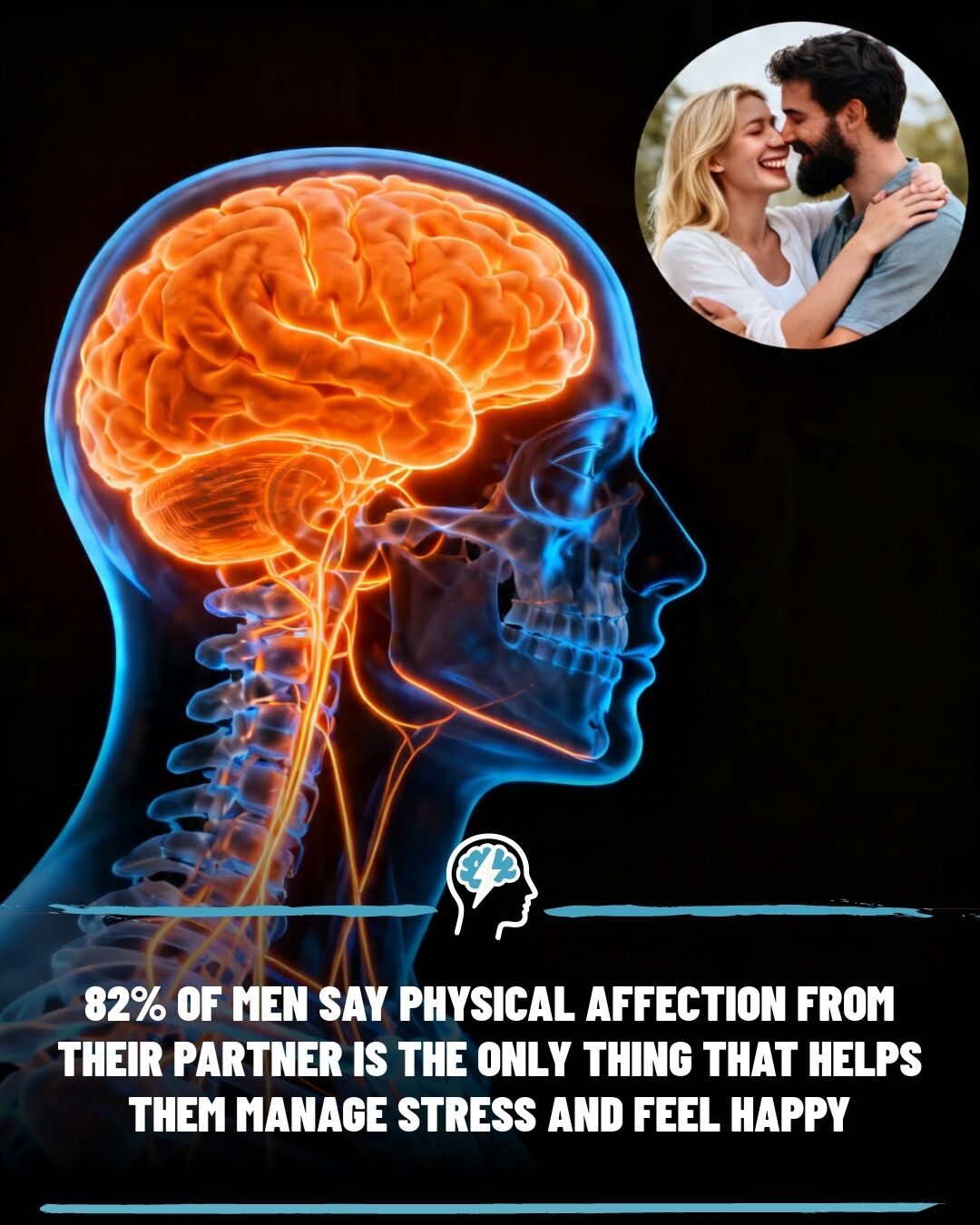
Physical Affection: More Than Just Comfort
Physical affection plays a significant role in managing stress. This goes beyond simple comfort. It has the power to alter your biology in real time. Research indicates that consensual physical touch, such as hugging, holding hands, or cuddling, can induce notable changes in your body's stress response mechanisms. Understanding these effects can provide valuable insights into maintaining better mental health.
Why This Matters
Stress is an unavoidable part of life, but how we manage it can greatly impact our well-being. Physical affection serves as more than just a feel-good moment; it has tangible benefits for stress reduction and overall mental health. By understanding the science behind these effects, we can better integrate physical touch into our daily lives and relationships to improve our emotional resilience.
The Science Behind Physical Affection
Neurochemicals and Stress Reduction
When you receive physical affection from a partner or loved one, your body undergoes several changes. One of the key neurochemicals released is oxytocin, often referred to as the bonding hormone. Alongside oxytocin, serotonin and dopamine levels also increase. These neurochemicals are associated with feelings of closeness and happiness, which can help reduce stress and anxiety.
Physiological Benefits
Studies have linked physical affection to a decrease in cortisol levels. Cortisol is a hormone associated with stress. Lower cortisol levels, coupled with a reduced heart rate and lowered blood pressure, contribute to the calming effect many people experience from physical touch.
Physical Affection and Mental Health
The mental health benefits of consensual touch are encouraging. It has been connected to lower symptoms of anxiety, depression, and overall stress in adults. This means that incorporating physical affection into your relationships can serve as an effective coping mechanism for managing mental health challenges.
Practical Tips for Incorporating Physical Affection
-
Consent and Comfort: Always ensure that physical affection is consensual and comfortable for both parties. Respect boundaries and communicate openly about what feels good for both of you.
-
Quality Over Quantity: Aim for meaningful touch rather than just going through the motions. A genuine hug or holding hands can have a more profound impact than a casual pat on the back.
-
Regular Touch: Incorporate regular physical affection into your daily routine. This could be a morning hug, holding hands during a walk, or cuddling while watching a movie.
-
Mindful Touch: Be present and mindful during moments of physical affection. Focus on the sensations and the connection with your partner to enhance the experience.
-
Variation: Different types of touch can have different effects. Experiment with hugging, kissing, holding hands, or cuddling to see what works best for you and your partner.
Important Takeaways
The Role of Physical Affection in Stress Management
Physical affection is a powerful tool for managing stress. It triggers the release of neurochemicals that promote feelings of closeness and happiness while reducing stress levels. This biological response can be a game-changer for those dealing with stress and anxiety.
Individual Differences
It's essential to recognize that individuals vary widely in how they experience emotional connection, regardless of gender. Physical affection can be a meaningful part of emotional well-being and stress management, but it is just one piece of a larger puzzle. It works alongside other healthy coping strategies, not as a replacement for them.
Consulting Professionals
If you are navigating relationship or mental health concerns, seeking help from a qualified professional is always a wise step. While physical affection offers real benefits, it should not be relied upon as a cure-all for relationship challenges or stress.
Conclusion
Physical affection is more than just a comforting gesture; it has the power to change your biology for the better. By understanding and incorporating physical touch into your relationships, you can improve your stress management and overall mental health. Whether it's a hug, holding hands, or cuddling, these small acts can have a profound impact on your well-being.
Watch the Reel
Questions readers ask
How does physical affection help in managing stress?
Physical affection, such as hugging or holding hands, helps manage stress by triggering the release of neurochemicals that promote happiness and reduce stress hormones like cortisol. This biological response can lead to an immediate sense of calm and improved mood.
What are the benefits of consensual physical touch?
Consensual physical touch has numerous benefits, including reducing stress and anxiety, fostering a sense of closeness, and enhancing emotional well-being. It can also boost your immune system and lower blood pressure, contributing to overall health.
Can physical affection be considered a form of stress management therapy?
Yes, physical affection can be considered a form of therapy for stress management. Often referred to as 'touch therapy,' it promotes relaxation and reduces stress hormones, making it a valuable tool for maintaining mental health and finding relief from stress.
How does hugging act as a stress reliever?
Hugging acts as a stress reliever by activating the vagus nerve, which helps to slow your heart rate and promote relaxation. It also stimulates the release of oxytocin, a hormone associated with bonding and happiness, which can counteract the effects of stress hormones.
What role does physical touch play in improving emotional well-being?
Physical touch plays a significant role in improving emotional well-being by fostering a sense of connection and security. It can alleviate symptoms of depression and anxiety by releasing neurochemicals that promote feelings of happiness and closeness, contributing to better emotional health.
How can I incorporate more physical affection into my daily life for stress management?
You can incorporate more physical affection into your daily life by initiating hugs with friends and family, holding hands with a partner, or practicing self-hugs. Regular, consensual physical touch can help manage stress and improve your overall well-being. Just be sure to respect personal boundaries and engage in touch that is comfortable and welcomed by all parties.
What are some stress management techniques that involve physical touch?
Stress management techniques that involve physical touch include hugging, holding hands, and cuddling. These activities can help lower stress hormones, promote relaxation, and enhance feelings of happiness and well-being. Other techniques include massage therapy and acupressure, which can also provide stress relief through physical touch.
Recent articles
Fresh deep dives from the latest Reels we unpacked.




Comments
Be the first to comment.