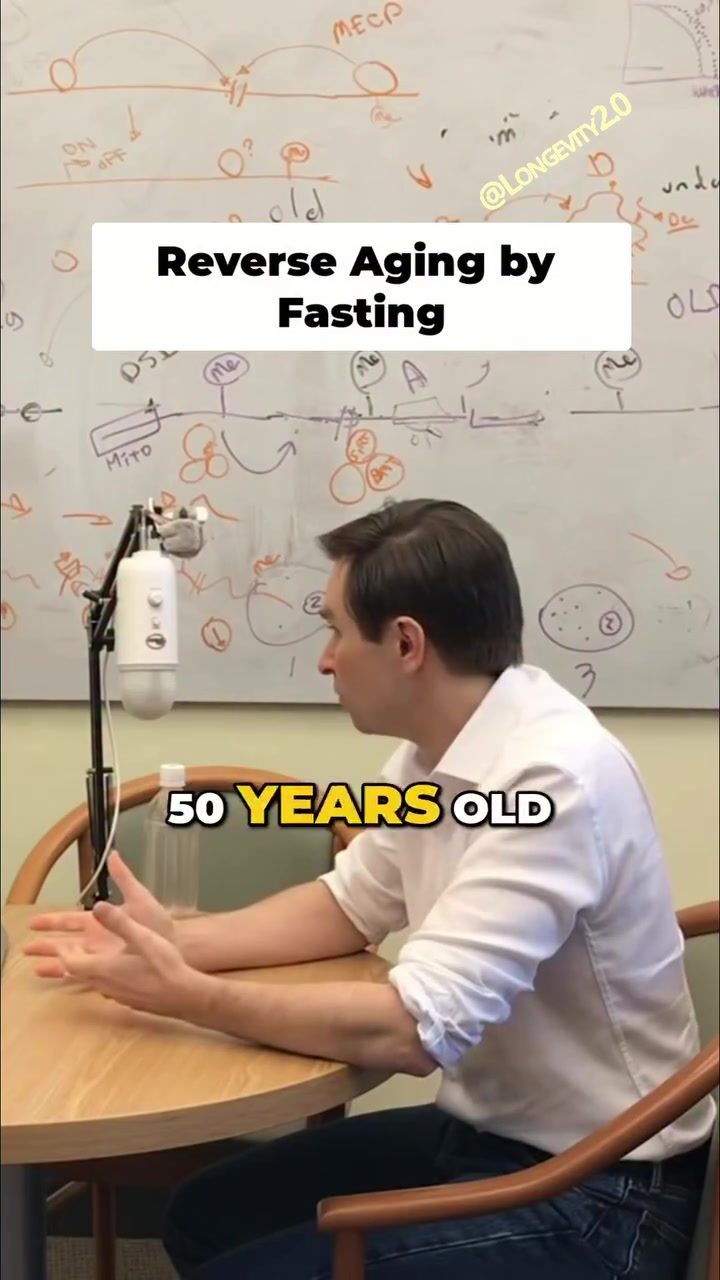
Reverse Aging with Fasting
Fasting is a practice that has been around for centuries, used for various reasons ranging from spiritual to health benefits. One of the most intriguing aspects of fasting is its potential to reverse aging. By understanding the biological mechanisms at play, we can harness the power of fasting to enhance our health and longevity.
Fasting and NAD+ Levels
The key to understanding how fasting can reverse aging lies in the molecule NAD+. NAD+, or nicotinamide adenine dinucleotide, is a coenzyme found in every cell of the body. It plays a crucial role in various metabolic processes, including energy production and cell repair. As we age, our NAD+ levels naturally decline. By the time we reach 50, our NAD+ levels can drop by approximately 50% compared to when we were 20.
This decline in NAD+ has significant consequences for how our bodies age. NAD+ is essential for activating sirtuins, proteins often referred to as “longevity genes.” Sirtuins are responsible for repairing damaged DNA, regulating gene expression, maintaining cellular health, and protecting the genome over time. When NAD+ levels drop, these processes become less efficient, leading to accelerated aging.
The Role of Sirtuins
Sirtuins are a family of proteins that play a central role in cellular health and longevity. They are involved in various biological processes, including DNA repair, gene expression, and cellular metabolism. When activated, sirtuins help maintain the integrity of the genome, ensuring that cells function optimally. However, when NAD+ levels are low, sirtuins cannot function effectively, leading to a build-up of damaged DNA and impaired cellular function.
Fasting and Calorie Restriction
Fasting and calorie restriction are two of the most well-studied strategies for boosting NAD+ levels and activating sirtuins. By temporarily restricting food intake, the body triggers a survival response. This response involves increasing NAD+ levels, making sirtuins more active, and upregulating cellular repair pathways. In simple terms, when the body perceives a scarcity of food, it prioritizes survival and repair over growth.
The Survival Response
When we fast, our bodies interpret this as a signal of threat. It responds by initiating a series of protective mechanisms aimed at ensuring survival. This includes boosting NAD+ levels, activating sirtuins, and enhancing cellular repair pathways. The body shifts into a maintenance and resilience mode, focusing on repairing damaged cells and protecting the genome.
The same biological response is also triggered by exercise and metabolic stress, which further supports the idea that these ancient pathways are designed to protect the body and extend survival.
Practical Tips
Implementing fasting into your lifestyle can be a powerful way to boost NAD+ levels and activate sirtuins. Here are some practical tips to get you started:
Intermittent Fasting
Intermittent fasting involves cycling between periods of eating and fasting. One of the most popular methods is the 16/8 approach, where you fast for 16 hours and eat within an 8-hour window. This can be as simple as skipping breakfast and having your first meal around noon.
Extended Fasts
For more significant benefits, longer fasting periods can be considered. Extended fasts typically last for 24-72 hours and should be done under medical supervision, especially if you have underlying health conditions. These longer fasts can provide a more profound boost to NAD+ levels and sirtuin activity.
Calorie Restriction
Calorie restriction involves reducing your daily caloric intake without necessarily fasting. This can be done by consuming fewer calories while ensuring a balanced diet. Studies have shown that even a modest reduction in calorie intake can lead to significant health benefits, including increased NAD+ levels and improved cellular repair.
Exercise and Metabolic Stress
Incorporating regular exercise and metabolic stress into your routine can also help boost NAD+ levels and activate sirtuins. High-intensity interval training (HIIT) and resistance training are particularly effective in triggering these beneficial responses.
Important Takeaways
- NAD+ Levels and Aging: As we age, our NAD+ levels decline, leading to impaired cellular repair and accelerated aging.
- Sirtuins and Longevity: Sirtuins are essential for maintaining cellular health and longevity. They require NAD+ to function optimally.
- Fasting and Survival Response: Fasting triggers a survival response in the body, boosting NAD+ levels, activating sirtuins, and enhancing cellular repair pathways.
- Practical Strategies: Incorporating intermittent fasting, extended fasts, calorie restriction, and regular exercise can help harness the benefits of fasting for longevity.
Conclusion
Fasting is a powerful tool for reversing aging and enhancing overall health. By understanding the role of NAD+ and sirtuins, we can harness the body's natural survival mechanisms to promote longevity. Incorporating fasting and calorie restriction into your lifestyle, along with regular exercise, can help boost NAD+ levels, activate sirtuins, and enhance cellular repair pathways. This ancient practice offers a modern solution to the challenges of aging, providing a pathway to a healthier and more resilient body.
Watch the Reel
Questions readers ask
How does fasting influence NAD+ levels in the body?
Fasting triggers a series of biological responses that can boost NAD+ levels. When the body is in a fasted state, it increases the production of NAD+ to support cellular repair and energy production, which are crucial for maintaining youthful cellular function.
What are sirtuins and how do they relate to fasting?
Sirtuins are a family of proteins that play a significant role in protecting and repairing cells. Fasting activates sirtuins, enhancing their ability to safeguard genetic material and promote cellular health, thereby contributing to the anti-aging effects associated with fasting.
Can fasting truly reverse the aging process?
While fasting cannot literally turn back the clock, it can slow down aging by promoting cellular repair and renewal. Through boosting NAD+ levels and activating sirtuins, fasting helps maintain cellular health and functionality, which can lead to improved overall health and longevity.
What are the benefits of calorie restriction in relation to aging?
Calorie restriction, similar to fasting, has been shown to mimic some of the longevity benefits by lowering inflammation and oxidative stress. It can help maintain metabolic health and promote cellular repair, contributing to a slower aging process.
How does intermittent fasting contribute to longevity?
Intermittent fasting, a popular method of fasting, has been linked to longevity benefits. By cycling between periods of eating and fasting, it can help regulate metabolic processes, promote cellular repair, and enhance overall health, all of which contribute to a longer lifespan.
What is the role of NAD+ in aging and how can fasting help?
NAD+ is essential for cellular energy production and repair. As we age, NAD+ levels decline, leading to a decrease in cellular function. Fasting can help boost NAD+ levels, supporting cellular health and potentially slowing down the aging process.
How does fasting impact gene pathways related to longevity?
Fasting activates several gene pathways involved in longevity and stress resistance. This includes pathways such as SIRT1 and AMPK, which are known to promote cellular repair and survival. By activating these pathways, fasting can help enhance the body's ability to repair itself and maintain youthful cellular function.
Related deep dives
Similar reads based on topic and creator.



Recent articles
Fresh deep dives from the latest Reels we unpacked.




Comments
Be the first to comment.