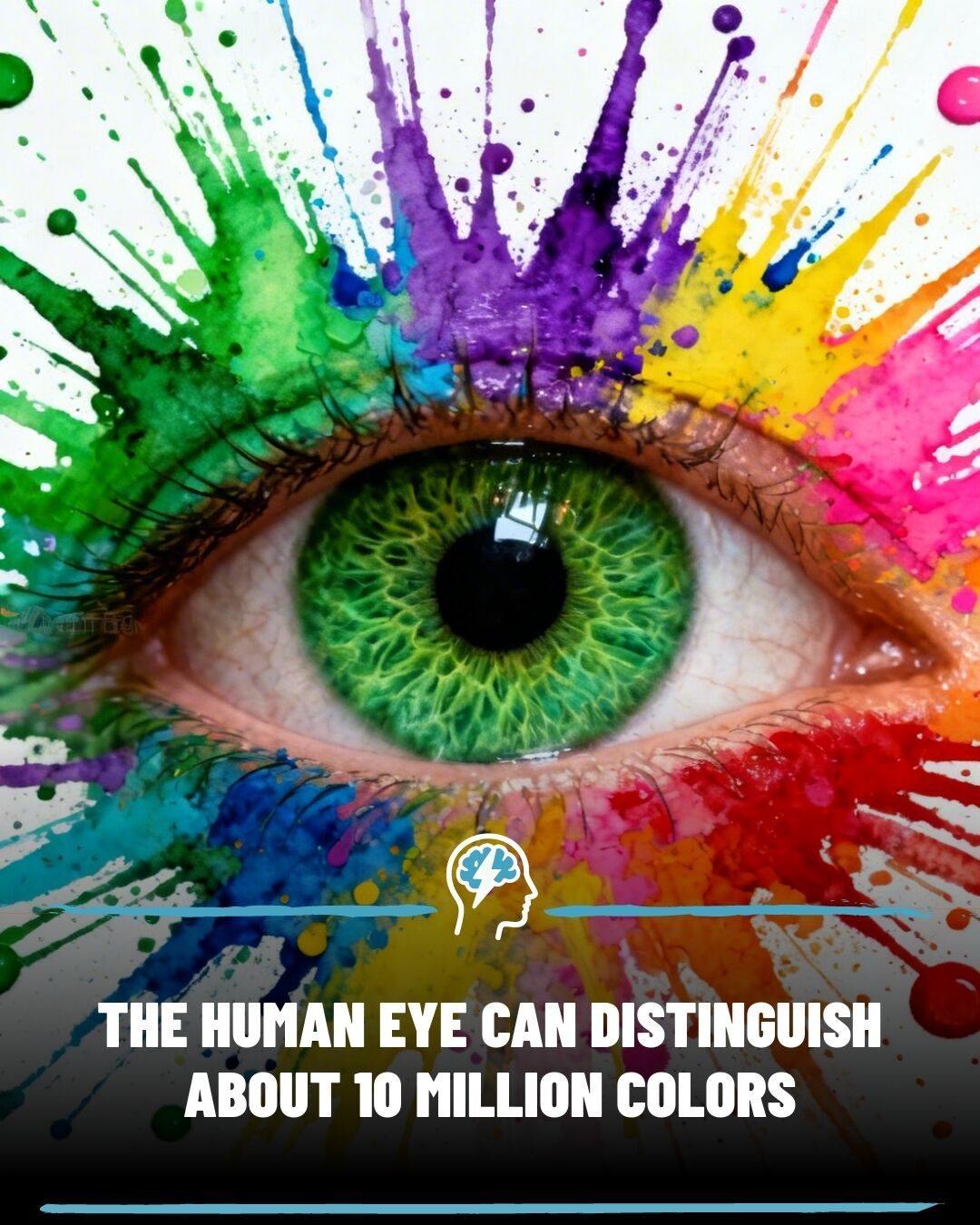
Human Eye Color Perception
The human eye's ability to perceive color is a remarkable feat of biology. This incredible capacity allows us to distinguish between approximately 1 to 10 million different colors. This range might seem astonishing, but it's a well-documented phenomenon backed by extensive research.
To understand how this happens, we need to delve into the structure and function of the human eye, specifically the retina.
The Role of Cone Photoreceptors
The retina contains specialized cells known as cone photoreceptors. These cells are responsible for color vision and are particularly sensitive to light and color. There are three primary types of cone photoreceptors, each responding to different wavelengths of light:
- S cones: These detect shorter wavelengths, which we perceive as blue light.
- M cones: These respond to medium wavelengths, allowing us to see green.
- L cones: These pick up longer wavelengths, enabling us to see red.
How the Brain Processes Color
The brain doesn't simply receive three separate signals from these cone types. Instead, it processes the combined input from all three cone types simultaneously. This process is made possible by the overlapping responses of the cones to different wavelengths of light. The brain integrates these signals, creating millions of possible color combinations. This intricate system allows us to experience a rich, vibrant world of color.
Factors Affecting Color Perception
While the average human eye can distinguish millions of colors, several factors can influence an individual's color perception capacity:
- Age: As we age, the efficiency of our cone photoreceptors can decrease, affecting color perception.
- Genetics: Genetic variations can lead to differences in the number and sensitivity of cone cells, influencing color perception.
- Lighting: The quality and intensity of light can significantly affect how we perceive colors.
- Eye Health: Conditions such as color blindness or certain eye diseases can alter color perception.
Understanding Color Perception Variability
It's essential to note that the figure of 10 million colors represents an upper range estimate under optimal conditions. Not everyone experiences color identically, and this variability is completely normal. For instance, some individuals may have enhanced color perception, while others might have reduced sensitivity to certain colors. This variation highlights the unique biology of each individual's visual system.
Appreciating the Complexity of Vision
Color perception is not just about distinguishing between different hues. It's about appreciating the remarkable biology that allows us to experience the world in such vivid detail. The three types of cone photoreceptors, working in harmony with the brain's processing power, create the rich and colorful experience of everyday life. Whether you're admiring a sunset or choosing paint samples, millions of subtle distinctions are happening in your eyes and brain in real time.
Practical Tips for Enhancing Color Perception
While the human eye has an extraordinary capacity for color perception, there are ways to enhance this ability in your daily life:
- Optimize Lighting: Ensure that your surroundings are well-lit to improve color perception.
- Regular Eye Check-ups: Maintain good eye health through regular check-ups and address any issues promptly.
- Nutrition: A balanced diet rich in vitamins and minerals can support eye health and color perception.
- Colorful Surroundings: Surround yourself with vibrant colors to stimulate your cone photoreceptors and enhance your visual experience.
Important Takeaways
- The human eye can distinguish between approximately 1 to 10 million different colors.
- Cone photoreceptors in the retina are responsible for color vision, with three types detecting blue, green, and red wavelengths.
- The brain processes the combined input from these cone types to create a rich and vibrant color experience.
- Factors such as age, genetics, lighting, and eye health can influence an individual's color perception capacity.
- Appreciating the complexity of vision can enhance our understanding and enjoyment of the world around us.
Conclusion
The human eye's ability to perceive millions of colors is a testament to the amazingly intricate design of our visual system. By understanding how our eyes and brain work together to create this rich tapestry of color, we can better appreciate the beauty of the world around us. Whether you're an artist, a scientist, or simply someone who loves vibrant colors, this remarkable biological process is something to marvel at.
Watch the Reel
Questions readers ask
How do cone photoreceptors enable us to see so many colors?
Cone photoreceptors in the retina are specialized cells that respond to different wavelengths of light. There are three primary types: S-cones, M-cones, and L-cones, each tuned to short, medium, and long wavelengths. When these cones are stimulated by light, they send signals to the brain, which then interprets these signals as different colors, allowing us to perceive a vast range of hues.
Why do some people see colors differently than others?
Individual perceptions of color can vary based on several factors. Age, genetics, and lighting conditions all play a role. For instance, as we age, the lens of the eye can yellow, altering how we perceive colors. Additionally, genetic variations can affect the sensitivity of cone photoreceptors, leading to differences in color perception among individuals.
What happens when one type of cone photoreceptor is missing or not functioning properly?
If one or more types of cone photoreceptors are missing or not functioning properly, it can lead to color vision deficiencies, such as red-green color blindness. In these cases, individuals may have difficulty distinguishing between certain colors, as their brain does not receive the full range of signals from the cones.
Can the human eye perceive colors outside the visible spectrum?
The human eye is generally limited to perceiving colors within the visible spectrum, which ranges from about 380 to 740 nanometers in wavelength. This spectrum includes colors from violet to red. However, some people may have unique experiences with light, such as synesthesia, where they perceive colors in response to other sensory inputs.
How does the brain process color information from the retina?
The brain receives signals from the cone photoreceptors in the retina and processes this information in the visual cortex. This processing involves integrating signals from different types of cones to create a cohesive perception of color. The brain then uses this information to interpret the visual world, allowing us to perceive and interact with our surroundings in a meaningful way.
Do animals see colors differently than humans?
Yes, many animals see colors differently than humans. For example, birds and some insects have additional types of cone photoreceptors that allow them to see ultraviolet light, which is invisible to humans. Conversely, dogs and some other mammals have only two types of cone photoreceptors, making their color vision more limited compared to humans.
Related deep dives
Similar reads based on topic and creator.




Recent articles
Fresh deep dives from the latest Reels we unpacked.




Comments
Be the first to comment.