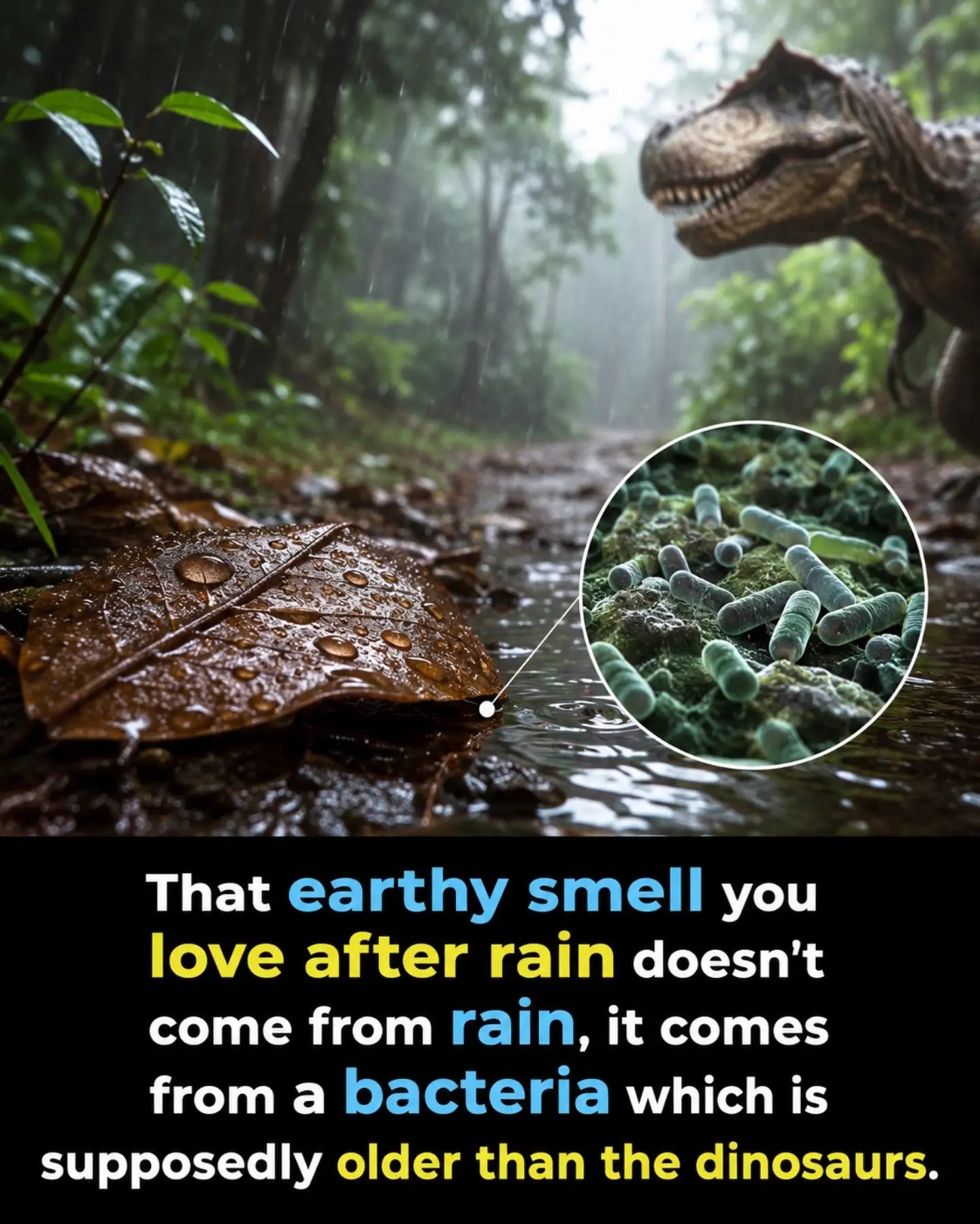
Earthy Rain Smell: The Science Behind It
The earthy smell that follows a rainstorm is a universal experience, but the source of that distinctive scent is often misunderstood. The smell is not a product of the rain itself but rather a result of ancient bacteria interacting with the environment.
Why This Matters
Understanding the origins of the earthy smell after rain can deepen our appreciation for the natural world and the intricate processes that occur around us. This scent, often associated with cleanliness and renewal, is a reminder of the interconnectedness of life on Earth, stretching back millions of years.
Main Discussion
The Myth Debunked
First, let's address a common misconception: the rainy smell is not a product of the rain itself. The scent is a result of a unique interaction between bacteria and the environment.
The Role of Bacteria
The earthy smell after rain is primarily caused by bacteria. These microscopic organisms, often residing in soil, release a compound known as geosmin when they are disturbed. When rain falls, it creates this disturbance, leading to the release of geosmin into the air. The bacteria responsible for producing geosmin are incredibly ancient, predating even the dinosaurs. This makes the scent a direct link to a time millions of years ago, long before humans walked the Earth.
How Geosmin Works
Geosmin, the compound responsible for the earthy smell, is a byproduct of the metabolism of certain bacteria and fungi. Specifically, it is produced by actinomycetes, a type of bacteria commonly found in soil. When the environment becomes damp, either from rain or irrigation, the bacteria are activated, producing more geosmin, which then escapes into the air.
The Connection to Dinosaurs
The revelation that the bacteria responsible for the earthy smell are older than dinosaurs adds a fascinating layer to the scent’s allure. Dinosaurs roamed the Earth millions of years after these ancient bacteria evolved, making them a fascinating link to the distant past. This fact alone makes the earthy scent after rain a living connection to our planet’s distant history.
Practical Tips
While the science behind the earthy smell is fascinating, there are practical ways to experience and appreciate this natural phenomenon more fully:
Find the Right Setting
To fully experience the earthy smell after rain, visit a lush, green forest or a park with plenty of vegetation. The scent is more pronounced in natural, earthy environments where bacteria are abundant. Let the experience transport you to a time before modern technology and urbanization.
Focus on the Details
Pay close attention to the subtle changes in the environment as the rain falls. Notice the way the rain alters the soil, the plants, and the air. The earthy scent is often part of a complex sensory experience that includes the feel of the rain and the sound of water droplets.
Capturing the Moment
If you enjoy photographing or filming nature, consider capturing the scene just after the rain. The lush, green landscapes, water droplets on leaves, and the overall sense of renewal can make for stunning visuals. With the knowledge of the ancient bacteria at play, your understanding and appreciation for the scene will be even deeper.
Important Takeaways
Understanding the science behind the earthy smell after rain offers several key takeaways:
- The smell is not a product of the rain but the result of ancient bacteria reacting to moisture.
- Geosmin, the compound responsible for the scent, is produced by bacteria and fungi.
- These bacteria are older than the dinosaurs, making the scent a living link to the distant past.
Conclusion
The earthy smell after rain is a natural phenomenon that offers a unique connection to our planet’s ancient past. By understanding the science behind this scent, we gain a deeper appreciation for the intricate processes and ancient organisms that shape our world. So the next time you experience that familiar aroma after a rainstorm, take a moment to reflect on the millions of years of history and the complex interactions that make it possible.
Watch the Reel
Questions readers ask
What exactly is petrichor and why does it have a distinctive smell?
Petrichor is the earthy smell that occurs after rain. It is caused by ancient bacteria in the soil that release a compound called geosmin when the rain hits the ground. This compound is responsible for the distinctive scent that many people associate with rain.
How do bacteria in the soil contribute to the smell after rain?
Bacteria in the soil, some of which date back millions of years to the dinosaur era, produce a compound called geosmin. When rain falls, it interacts with these bacteria, releasing geosmin into the air and creating the earthy scent.
Is the smell after rain the same in all environments?
The smell after rain can vary slightly depending on the environment, but the primary compound responsible for the scent, geosmin, is consistent. In places like rainforests, the scent might be more pronounced due to the dense vegetation and soil composition.
Can the scent of rain be detected indoors?
The scent of rain can sometimes be detected indoors, especially if windows and doors are open. The geosmin compound can be carried by the wind and enter buildings, but the intensity of the smell is typically more noticeable outdoors.
Why does the rain itself not produce the earthy smell?
The rain itself is odorless. The earthy smell is produced by the interaction between rainwater and the compounds released by bacteria in the soil. This interaction triggers the release of geosmin, which is then carried by the wind and can be perceived as the distinctive scent of rain.
Do all types of rain produce the same earthy smell?
The earthy smell after rain is primarily influenced by the presence of geosmin, which is released by soil bacteria. However, the intensity and specifics of the scent can vary depending on factors like the type of soil, the density of vegetation, and the duration of the rain, but the primary compound remains the same.
How does the earthy smell after rain connect us to ancient life on Earth?
The bacteria responsible for the earthy scent after rain have been present on Earth for millions of years, dating back to the dinosaur era. When we smell this scent, we are experiencing a connection to ancient life forms and the natural processes that have been occurring on our planet for eons.
Related deep dives
Similar reads based on topic and creator.




Recent articles
Fresh deep dives from the latest Reels we unpacked.

Comments
Be the first to comment.