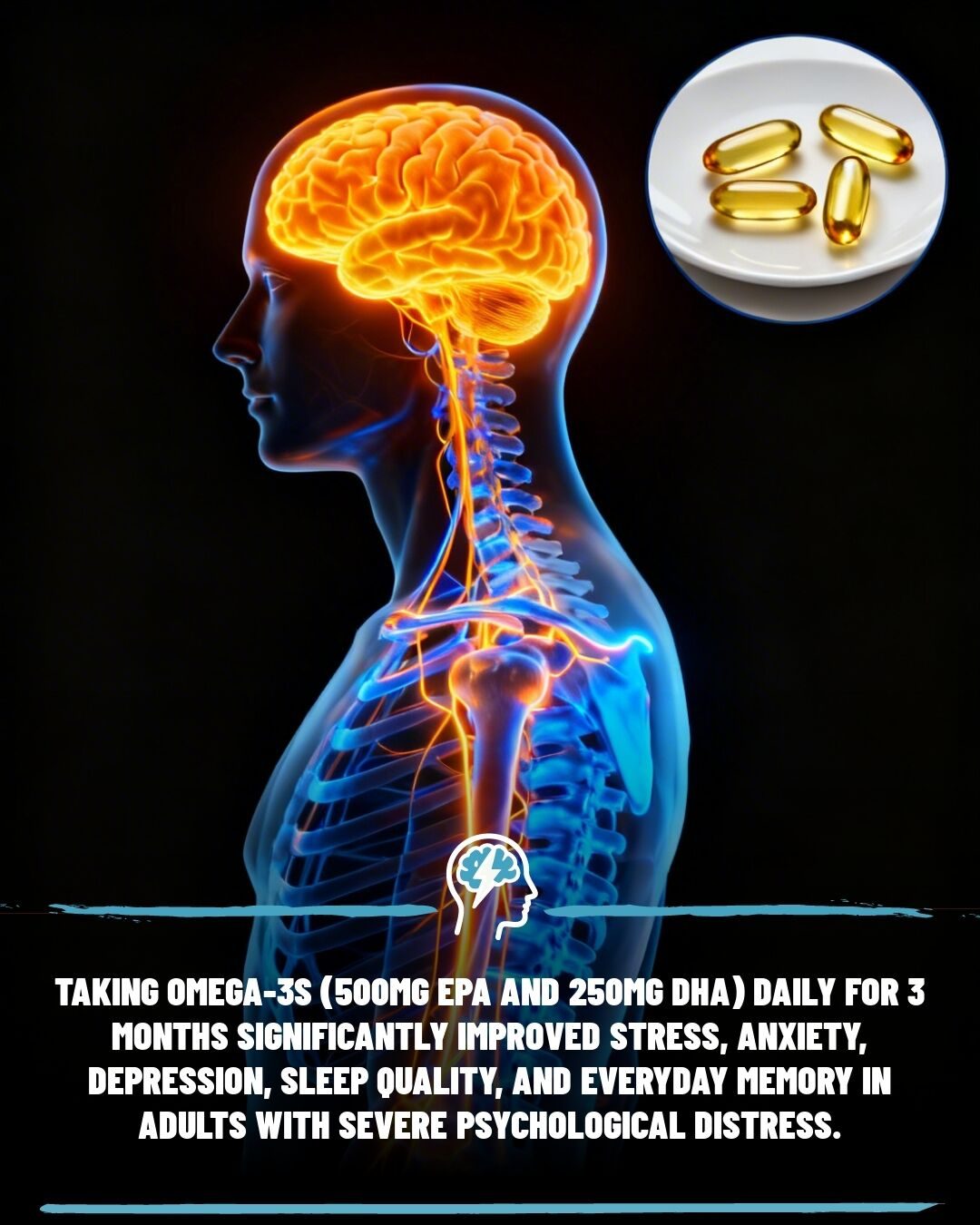
Omega-3 Supplements and Mental Health
Omega-3 supplements have garnered significant attention for their potential benefits on mental health. The scientific community has explored the relationship between omega-3 fatty acids and various mental health conditions, including stress, anxiety, and depression. Understanding the nuances of this relationship can help individuals make informed decisions about incorporating omega-3s into their wellness routines.
Why This Matters
Mental health is a critical aspect of overall well-being, and factors like stress, anxiety, and depression can profoundly impact daily life. Omega-3 fatty acids, particularly EPA (eicosapentaenoic acid) and DHA (docosahexaenoic acid), are known for their anti-inflammatory properties and their role in supporting brain health. Research has shown that higher levels of omega-3s are associated with lower depression scores and reduced anxiety risk. These essential fats are integral to brain cell membranes and may influence mood-regulating pathways, making them a subject of interest for mental health support.
Main Discussion
The Science Behind Omega-3s and Mental Health
Omega-3 fatty acids play a crucial role in brain function and development. EPA and DHA, two of the most important omega-3s, are known for their anti-inflammatory effects and their ability to support brain health. Research indicates that these fatty acids can influence mood-regulating pathways, which is why they are often studied in the context of mental health.
Anti-Inflammatory Properties
One of the key mechanisms by which omega-3s impact mental health is through their anti-inflammatory properties. Chronic inflammation has been linked to various mental health issues, including depression and anxiety. By reducing inflammation, omega-3s may help alleviate these symptoms and improve overall mental well-being.
Supporting Brain Cell Membranes
Omega-3 fatty acids are essential components of brain cell membranes. They help maintain the fluidity and flexibility of these membranes, which is crucial for optimal brain function. Adequate levels of omega-3s can support cognitive processes, including memory and mood regulation.
Research Findings
Studies have shown that higher doses of omega-3 supplements can lead to significant improvements in mental health. Research supporting mood improvements generally uses 1,000 to 2,000 mg of combined EPA and DHA daily. Some studies have found that taking 3 grams of EPA daily can result in a 64 to 71 percent reduction in depression symptom scores. However, many popular supplements contain lower amounts, which may not provide the same level of benefit.
Benefits Observed in Studies
Research indicates that taking omega-3 supplements daily for three months can significantly improve stress, anxiety, depression, sleep quality, and everyday memory in adults experiencing severe psychological distress. These benefits are particularly notable in individuals with higher baseline stress and anxiety levels.
Dosage and Efficacy
When considering omega-3 supplements for mental health support, dosage is a critical factor. Many studies showing significant mental health benefits use higher doses than what is typically found in over-the-counter supplements. A typical dose of 750 mg total may offer some benefit, but expecting dramatic results across various mental health metrics from smaller amounts isn't well supported by current evidence.
Practical Considerations
It's important to note that the benefits of omega-3 supplements can vary by individual. Factors like baseline omega-3 status, overall diet, genetics, and existing health conditions all influence how a person might respond to supplementation. Therefore, it's essential to have realistic expectations and consider omega-3s as part of a broader mental health strategy rather than a standalone solution.
Practical Tips
Incorporating Omega-3s into Your Diet
While supplements can be a convenient way to increase omega-3 intake, it's also possible to obtain these essential fats through diet. Fatty fish like salmon, mackerel, and sardines are rich sources of EPA and DHA. Aim to include these fish in your diet at least two to three times a week for optimal omega-3 intake.
Choosing the Right Supplement
If you opt for omega-3 supplements, look for products that clearly state the amounts of EPA and DHA, not just the total fish oil content. This transparency ensures that you are getting the specific fatty acids known to support mental health. Additionally, consider products that are third-party tested for purity and potency to ensure you are getting a high-quality supplement.
Consulting a Healthcare Professional
Before starting any new supplement regimen, it's always a good idea to consult with a healthcare professional. They can provide personalized advice based on your health status, any medications you are taking, and your specific mental health needs. A healthcare professional can also help you determine the appropriate dosage and monitor your progress over time.
Important Takeaways
- Omega-3s can support mental health by reducing inflammation and supporting brain cell membranes.
- Higher doses of omega-3 supplements (1,000 to 2,000 mg of combined EPA and DHA daily) are more likely to show significant mental health benefits.
- Dietary sources of omega-3s, such as fatty fish, are a natural and effective way to incorporate these essential fats into your routine.
- Consider omega-3s as part of a broader mental health strategy, including therapy, medication, and a healthy lifestyle.
- Always consult a healthcare professional before starting any new supplement regimen.
Conclusion
Omega-3 supplements hold promise for supporting mental health, but their benefits are nuanced and dependent on various factors. Understanding the science behind omega-3s and their role in mental health can help individuals make informed decisions about incorporating these supplements into their wellness routines. By focusing on adequate intake, either through diet or supplements, and considering omega-3s as part of a broader mental health strategy, individuals can enhance their overall well-being and potentially alleviate symptoms of stress, anxiety, and depression.
Watch the Reel
Questions readers ask
How do omega-3 fatty acids specifically help with depression and anxiety?
Omega-3 fatty acids, particularly EPA and DHA, help reduce symptoms of depression and anxiety by supporting brain function and reducing inflammation. These fats play a crucial role in maintaining the fluidity of brain cell membranes, which is essential for proper neurotransmission.
What is the recommended daily intake of omega-3s for mental health benefits?
The recommended daily intake of omega-3s for mental health benefits varies, but generally, 250-500 mg of combined EPA and DHA is suggested for general health, while higher doses (up to 2000 mg per day) may be recommended under medical supervision for managing symptoms of depression and anxiety.
Can omega-3 supplements improve memory and cognitive function?
Yes, omega-3 supplements, particularly those rich in DHA, have been shown to support brain health and may improve memory and cognitive function, especially in older adults. DHA is a key component of brain cells and helps maintain their structure and function.
How do omega-3 fatty acids support overall mental health?
Omega-3 fatty acids support overall mental health by reducing inflammation, supporting brain function, and promoting the production of neurotransmitters, such as serotonin and dopamine, which play a crucial role in mood regulation and overall mental well-being.
What are the benefits of omega-3s for sleep and stress reduction?
Omega-3s, especially EPA, can help reduce symptoms of stress and anxiety, which often interfere with sleep. By promoting a sense of calm and reducing inflammation, omega-3 fatty acids can indirectly support better sleep quality and stress management.
What are the key differences between EPA and DHA in terms of mental health benefits?
EPA is often more effective in reducing symptoms of depression and anxiety, while DHA is more crucial for brain development, memory, and cognitive function. Both are important, but their roles in supporting mental health vary slightly, making a balance of both beneficial.
Related deep dives
Similar reads based on topic and creator.



Recent articles
Fresh deep dives from the latest Reels we unpacked.




Comments
Be the first to comment.