Vacation Benefits
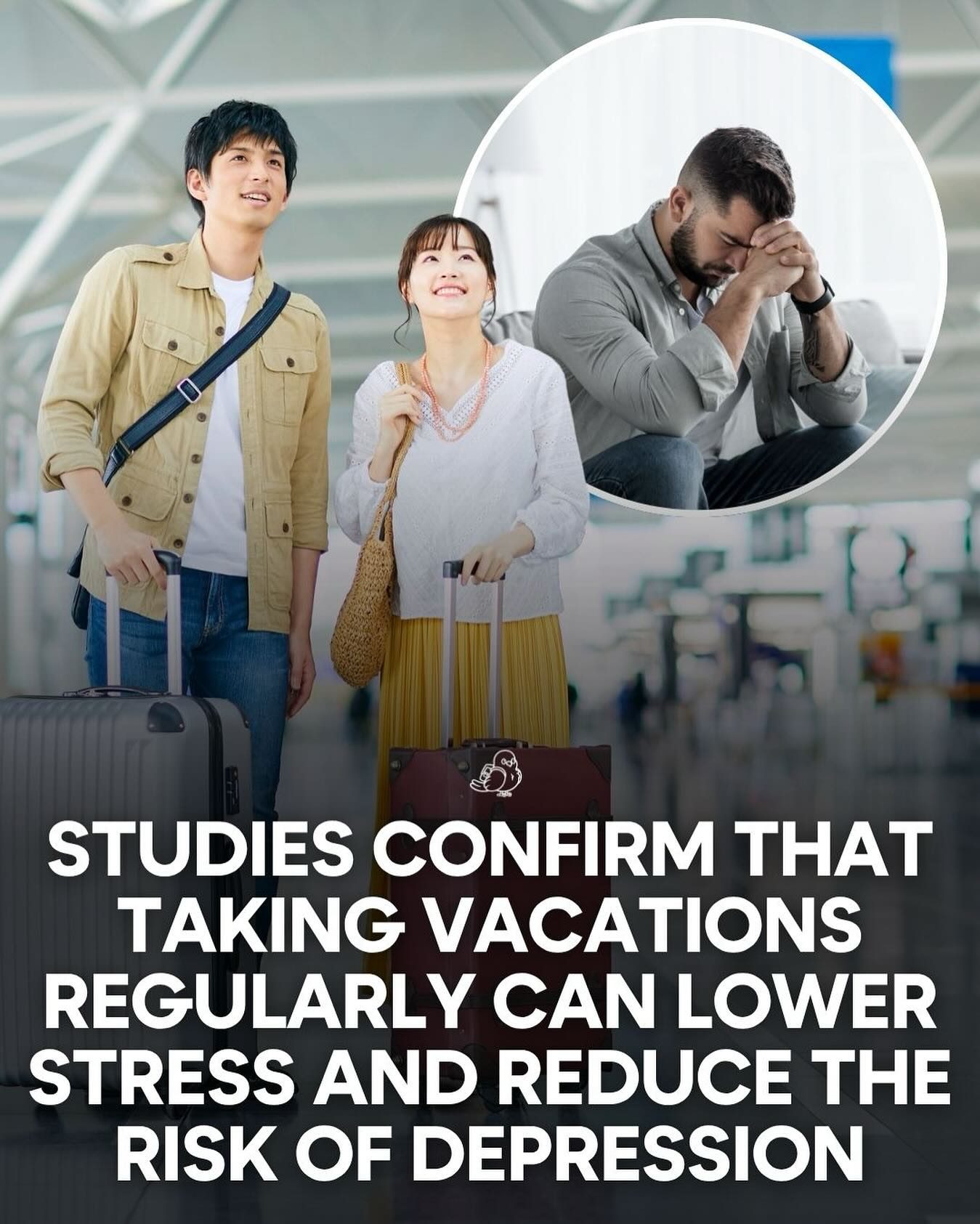
Vacations are more than just a break from the daily grind; they are essential for maintaining mental and emotional well-being. Recent studies have confirmed that regular vacations can significantly reduce stress, fatigue, and even the risk of depression. This is especially true for those who take two vacations a year. The evidence is clear: vacations are not a luxury but a necessary form of self-care.
Why This Matters
In today's fast-paced world, stress and burnout are common issues. According to a five-year study by the University of Wisconsin published in the Journal of Vacation Marketing (2005), women who took two vacations a year reported feeling significantly less tense, tired, or depressed compared to those who took vacations once every two years. This study tracked over 1,500 women and highlighted the profound impact regular vacations can have on mental health. Furthermore, the Expedia Vacation Deprivation Study (2025) revealed that 81% of Americans prioritize mental wellness as the main reason for traveling. Yet, despite these benefits, 63% of Americans go six months or longer without a vacation, and over 25% wait a whole year between trips.
Mental and Emotional Well-Being
One of the most compelling reasons to take regular vacations is the positive impact on mental health. Experts agree that disconnecting from work and routine allows the brain to recover from chronic stress. This break can improve mood regulation, reduce anxiety, and boost overall well-being. Beyond personal benefits, frequent travelers also reported happier marriages, highlighting the broader impact on interpersonal relationships.
Physical Health and Recovery
Regular vacations also play a crucial role in physical health. Chronic stress, if left unaddressed, can lead to various health issues, including high blood pressure, heart disease, and weakened immune system. Taking time off to rest and recharge can help mitigate these risks. The break from routine activities allows the body to recover, possibly enhancing immune function and reducing the risk of stress-related illnesses.
Boosting Relationship Satisfaction
The Wisconsin study also underscored the positive impact of vacations on relationships. Frequent travelers reported higher levels of relationship satisfaction, suggesting that shared experiences during vacations can foster stronger bonds. Whether it's a romantic getaway or a family vacation, the time spent away from daily distractions can enhance emotional intimacy and create lasting memories.
Practical Tips
To maximize the benefits of vacations, consider the following tips:
- Plan Ahead: Make a yearly schedule of vacations and stick to it. Whether it's a family vacation or a solo retreat, planning ensures that you take the necessary breaks.
- Disconnect: Leave work behind. Use this time to fully disengage from work activities and immerse yourself in relaxation. Avoid checking emails or taking work calls.
- Choose Activities: Engage in activities that you enjoy. Whether it's hiking, beach relaxation, or visiting new places, choose activities that bring you joy and relaxation.
- Stay Mindful: Practice mindfulness during your vacation. Focus on the present moment and enjoy the experience without worrying about future obligations.
Important Takeaways
- Regular vacations are crucial for mental and emotional well-being.
- Disconnecting from work and routine can reduce stress and improve mood regulation.
- Frequent vacations can boost relationship satisfaction.
- Planning and disengaging from work activities are key to maximizing the benefits of vacations.
Conclusion
Vacations are more than just an escape from daily responsibilities; they are essential for maintaining a healthy and balanced life. The evidence is clear: regular vacations can significantly reduce stress, improve mental health, and enhance overall well-being. By prioritizing vacations and making them a regular part of your routine, you can reap the numerous benefits and lead a more fulfilling life.
Watch the Reel
Questions readers ask
How often should I take vacations to see a positive impact on my mental health?
To experience a noticeable improvement in mental health, aim to take two vacations per year. According to the University of Wisconsin study, this frequency has a significant impact on reducing stress, fatigue, and depression.
Can vacations really help with stress reduction?
Yes, vacations are proven to significantly reduce stress levels. Regular vacations provide a break from daily routines, allowing the mind and body to relax and recharge, which helps lower stress hormones and promotes a sense of calm.
What are the mental health benefits of taking vacations?
Vacations contribute to mental health by reducing stress, fatigue, and the risk of depression. They provide an opportunity for relaxation and rejuvenation, which can improve overall emotional well-being and resilience to daily challenges.
Is there a specific study that supports the benefits of taking vacations?
Yes, a five-year study by the University of Wisconsin, published in the *Journal of Vacation Marketing* in 2005, found that women who took two vacations a year reported feeling less tense, tired, and depressed compared to those who took vacations less frequently.
How do vacations impact emotional well-being?
Vacations positively impact emotional well-being by providing a break from everyday stressors. This time away allows for relaxation and enjoyment, which can help in reducing symptoms of depression and improve overall emotional health.
Are there any potential side effects of not taking regular vacations?
Not taking regular vacations can lead to increased stress, fatigue, and a higher risk of depression. It can also contribute to burnout and decreased productivity, making it essential to prioritize time off for overall well-being.
Why is it important to take vacations, particularly for women?
Women, in particular, can benefit significantly from regular vacations. The Wisconsin study highlighted that women who took two vacations a year reported feeling less stressed, tired, and depressed, underscoring the importance of regular breaks for managing daily pressures and maintaining emotional balance.
Related deep dives
Similar reads based on topic and creator.




Recent articles
Fresh deep dives from the latest Reels we unpacked.




Comments
Be the first to comment.