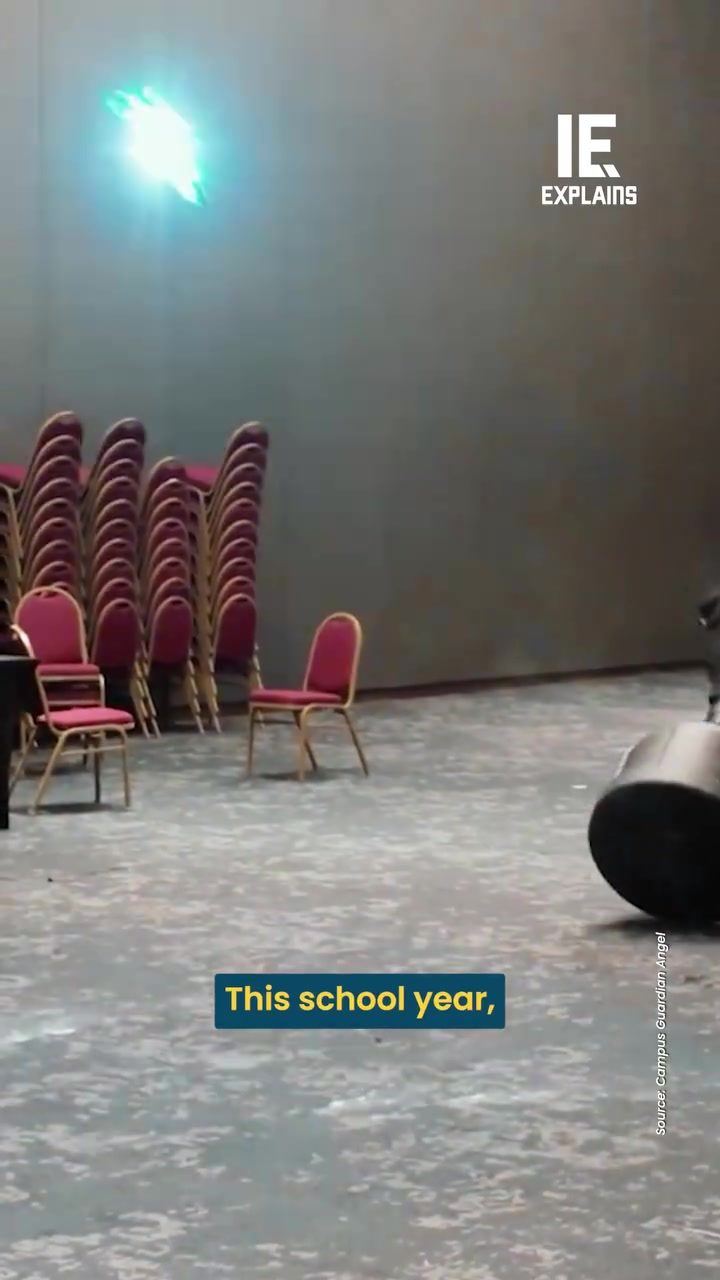
School Security Drones: An Innovative Approach to School Safety
Schools in Colorado, Florida, and Georgia have introduced a groundbreaking active-shooter response system: security drones. This system, known as Campus Guardian Angel, is a cutting-edge technology developed by Mithril Defense, a company based in Austin, Texas. These drones are designed to act as first responders in the event of a school shooting, providing a rapid and potentially life-saving intervention.
Why This Matters
School shootings are a tragic and heart-wrenching reality in the United States. The clock ticks quickly during these emergencies, with most incidents lasting only 2-3 minutes. The speed and effectiveness of the response can mean the difference between life and death. Traditional responses, which rely on human law enforcement, often take longer to deploy. Security drones, with their ability to launch within seconds, aim to bridge this critical gap.
Main Discussion
The Technology Behind Campus Guardian Angel
The Campus Guardian Angel system uses drones equipped with a variety of non-lethal measures to incapacitate an assailant. These drones are housed in secure boxes within the school and can be deployed immediately. Once activated, the drones fly through the hallways at 50 miles per hour, piloted remotely from Austin. They are designed to locate a shooter within 15 seconds, a feat made possible by their advanced sensors and navigation systems.
Deployment and Control
The drones are controlled remotely from Austin, ensuring they can be operated with precision and speed. They use a combination of sirens, strobe lights, and pepper gel to overwhelm the assailant. This multi-faceted approach aims to disorient and incapacitate the shooter, making it difficult for them to continue their attack.
The Last Resort: Ramming
As a last resort, the drones can ram the shooter at 60 miles per hour. This extreme measure is only used when non-lethal methods fail to incapacitate the assailant. The drones’ ability to ram at high speeds highlights their potential to physically prevent the shooter from continuing their attack.
The Benefits and Concerns
Rapid Response
One of the key advantages of the Campus Guardian Angel system is its rapid response time. The drones can be launched within seconds, a critical feature given that most school shootings are over within 2-3 minutes. This immediate deployment can potentially save lives by interrupting the shooter's actions as quickly as possible.
Non-Lethal Intervention
The use of non-lethal measures such as pepper gel and ramming adds a layer of safety to the response. These methods aim to incapacitate the shooter without causing lethal harm, which can be a significant factor in how the incident is perceived and handled.
Potential Drawbacks
While the technology offers promising benefits, there are concerns. The cost per box is unclear, and some parents have raised questions about the use of pepper-spraying drones. There are also experts who argue that addressing the root causes of violence is a more effective long-term solution. The worry is that relying too heavily on technology could lead to unintended consequences or a false sense of security.
Parent and Expert Perspectives
The introduction of security drones has sparked a mix of reactions from parents and experts. While many see the potential benefits of rapid intervention, others express concerns about the broader implications. Parents are questioning the practicality and ethical considerations of using pepper-spraying drones in educational settings. Experts caution that while technology can offer immediate solutions, it should not replace comprehensive strategies to address the root causes of violence.
Practical Tips
For schools considering similar drone-based security measures, here are some practical tips:
Assess the School Layout
Ensure that the drones can navigate the school’s layout effectively. This includes understanding the school's floor plan, identifying key areas where drones can be housed, and ensuring there are clear pathways for drone movement.
Train Personnel
Staff should be trained on how to use and deploy the drones. This includes understanding the drone's capabilities, how to activate it, and how to handle any potential issues that may arise during deployment.
Develop a Comprehensive Plan
While drones can offer immediate solutions, they should be part of a broader security plan. This includes regular drills, partnerships with law enforcement, and ongoing evaluation of the security measures in place.
Engage with the Community
Engage with parents, students, and other stakeholders to address any concerns and provide a transparent understanding of the new security measures. This can help build trust and ensure that everyone is on the same page.
Important Takeaways
School security drones offer a novel approach to addressing the immediate threat of school shootings. Their rapid deployment and non-lethal intervention methods can potentially save lives in critical situations. However, it is essential to consider the broader implications and ensure that such measures are part of a comprehensive security strategy.
Conclusion
The introduction of security drones in schools marks a significant shift in how educational institutions approach safety. The Campus Guardian Angel system, with its rapid deployment and non-lethal intervention methods, is a cutting-edge solution to a pressing problem. However, it is crucial to address the concerns and questions that arise, ensuring that technology is part of a broader strategy to keep students and staff safe.
Watch the Reel
Questions readers ask
How quickly can school security drones respond to an active shooter situation?
School security drones, such as the Campus Guardian Angel system, can launch within seconds of an alert. This rapid response is crucial in active shooter situations, where every second counts, as most incidents last only 2-3 minutes.
What specific actions can drones like the Campus Guardian Angel take during an active shooter event?
These drones are equipped to locate the assailant and intervene, providing a swift response that can potentially save lives. Their capabilities include real-time monitoring, communication with first responders, and possibly deterring the shooter with sirens or lights.
Which schools have implemented drone systems for active shooter response?
Several schools in Colorado, Florida, and Georgia have already started using these drone systems. These implementations are part of a growing trend to enhance school safety through advanced technology.
What company developed the Campus Guardian Angel drone system?
The Campus Guardian Angel drone system was developed by Mithril Defense, a company based in Austin, Texas. Mithril Defense specializes in innovative security solutions to address critical situations.
How do school security drones bridge the response time gap in active shooter situations?
School security drones bridge the response time gap by providing an immediate first responder. Traditional responses often require time for law enforcement to arrive on the scene, but drones can be deployed instantly, monitoring and potentially intervening in real-time.
Are there any plans for wider adoption of drones in school safety measures?
The successful implementation in various states has sparked interest in wider adoption. As more schools recognize the potential of drone technology in enhancing safety, we can expect to see these systems becoming more common in educational settings.
What are the immediate benefits of using drones for active shooter response in schools?
The immediate benefits include rapid deployment, real-time situational awareness, and the potential to disrupt or deter the assailant. These factors can significantly improve the chances of a positive outcome during a critical and dangerous situation.
Related deep dives
Similar reads based on topic and creator.


Recent articles
Fresh deep dives from the latest Reels we unpacked.




Comments
Be the first to comment.