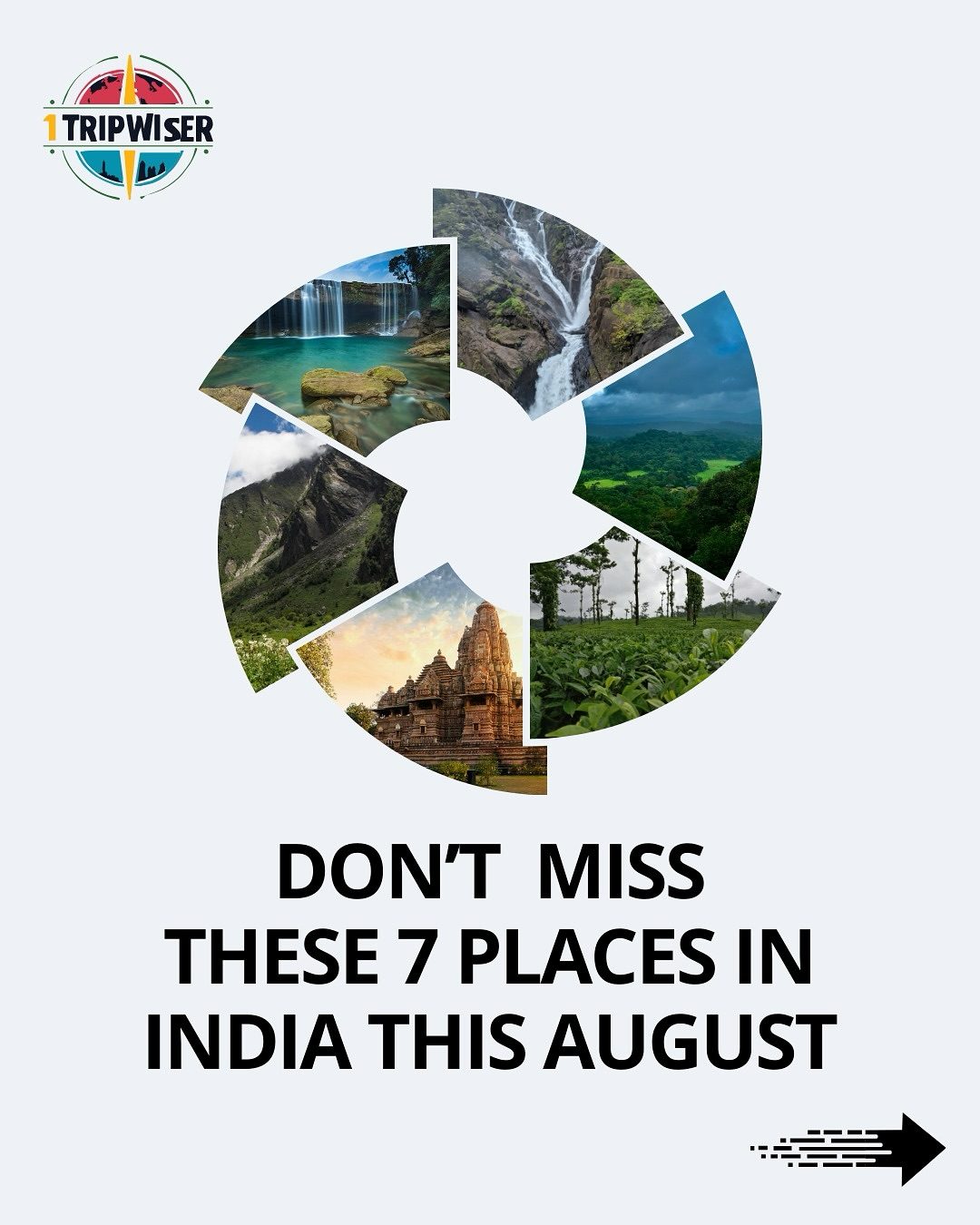
The Valley of Flowers, Uttarakhand
Located in the heart of Uttarakhand, the Valley of Flowers is a breathtaking destination that captivates travelers with its stunning natural beauty and vibrant floral diversity. The Valley of Flowers, also known as "Nature's Blooming Canvas," is a must-visit spot for those who appreciate the marvels of nature.
Context / Why this matters
The Valley of Flowers is not just a scenic location; it holds significant ecological and cultural importance. It is a UNESCO World Heritage Site and home to a wide variety of endemic flora and fauna. The valley is also a sacred place for many, with legends and myths intertwined with its lush landscapes.
Main discussion
Natural Beauty and Floral Diversity
The Valley of Flowers is renowned for its diverse range of flowers, including highly endangered species. The valley is at its peak bloom between July and September, transforming into a vibrant canvas of colors. This is the best time to visit, as the valley is adorned with a myriad of flowers, creating a mesmerizing spectacle for visitors.
Landscapes
The Valley of Flowers offers a captivating blend of landscapes. The lush green meadows, surrounded by towering mountains, create a panoramic view that is both serene and awe-inspiring. The meandering rivers and streams that crisscross the valley add to its charm, providing a soothing backdrop to the vibrant flora.
Practical tips
Best Time to Visit
The Valley of Flowers is best enjoyed during the monsoon season, from July to September. During this period, the valley is at its most vibrant, with a myriad of flowers in full bloom. However, it is also essential to note that the weather can be unpredictable, and visitors should be prepared for sudden showers.
How to Get There
The Valley of Flowers is accessible via a trek from the nearby town of Govindghat. The trek is approximately 17 kilometers (10.5 miles) and can be completed in 4-5 hours. Alternatively, visitors can hire a pony or a mule to assist with the journey.
Accommodation
There are no permanent settlements within the Valley of Flowers, but visitors can find accommodation in the nearby village of Govindghat. Options include guesthouses, campsites, and homestays, which offer a comfortable stay for travelers.
What to Pack
Visitors to the Valley of Flowers should be prepared for variable weather conditions. It is advisable to pack waterproof clothing, sturdy hiking boots, and insect repellent. Carrying a first-aid kit and staying hydrated are also essential precautions.
Important takeaways
The Valley of Flowers is a breathtaking destination that offers a unique blend of natural beauty and ecological significance. It is a must-visit for nature enthusiasts and those seeking a serene and captivating experience. The valley's vibrant floral diversity, stunning landscapes, and rich cultural heritage make it an unforgettable destination.
Conclusion
The Valley of Flowers in Uttarakhand is a gem that showcases the natural beauty of India. Whether you are a nature enthusiast or a traveler seeking a peaceful retreat, the Valley of Flowers is sure to captivate your senses. Plan your visit during the monsoon season to witness the full bloom of its vibrant flora and immerse yourself in the enchanting landscapes of this UNESCO World Heritage Site.
Watch the Reel
Questions readers ask
What is the best time to visit the Valley of Flowers in Uttarakhand?
The best time to visit the Valley of Flowers is from July to September, with August being ideal for witnessing the peak bloom of its vibrant flora. This period aligns with the monsoon season, ensuring lush landscapes and a rich display of flowers. However, note that the valley may be inaccessible during heavy rainfall.
How can I reach the Valley of Flowers from major cities in India?
To reach the Valley of Flowers, you can fly into Dehradun or Delhi and take a road trip to Govindghat, the last motorable point before the valley. From Govindghat, a 17 km trek along the Lahar River is required to reach the valley. Alternatively, you can arrange a helicopter ride for a more convenient journey, offering a bird’s eye view of the Himalayas.
Are there other notable places to visit near the Valley of Flowers?
Yes, there are several remarkable places near the Valley of Flowers. Hemkund Sahib, a high-altitude Sikh shrine, is a popular pilgrimage site located near the valley. Additionally, the Badri-Kedar Temple complex, which includes the famous Badrinath Temple, is another significant destination within the region, offering a blend of spiritual and natural experiences.
What should I pack for a trip to the Valley of Flowers during August?
For an August trip to the Valley of Flowers, pack lightweight and breathable clothing, along with sturdy hiking boots, a rain jacket, and a waterproof backpack. Essentials include sunscreen, insect repellent, and a water bottle. Given the high altitude and unpredictable weather conditions, it’s also wise to carry a warm layer, such as a fleece or a light jacket.
What type of accommodations are available near the Valley of Flowers?
Accommodation options near the Valley of Flowers are limited but include government guesthouses in Govindghat and basic facilities in nearby villages like Pulna and Bhyundar. For those seeking a more comfortable stay, a few private guesthouses and campsites are available, but it's recommended to book in advance, especially during peak travel seasons.
Is the Valley of Flowers accessible to families with children and elderly individuals?
The trek to the Valley of Flowers is moderate in difficulty, covering 17 km from Govindghat and involving steep ascents and descents. While it is manageable for adults in good physical condition, it may pose challenges for elderly individuals or very young children. Families should consider their fitness levels and the capability of all members to complete the trek comfortably.
What kind of flora and fauna can I expect to see in the Valley of Flowers?
The Valley of Flowers is home to a diverse range of flora, including over 500 species of flowers that bloom during the monsoon season. These include Brahmakamal, the Blue Poppy, and various species of orchids and primulas. The valley is also a habitat for rare and endangered animals such as the Asiatic Black Bear and the Snow Leopard, though sightings are uncommon. Numerous species of birds, including the Himalayan Monal and the Snow Pigeon, can be spotted as well.
Related deep dives
Similar reads based on topic and creator.


Recent articles
Fresh deep dives from the latest Reels we unpacked.



Comments
Be the first to comment.