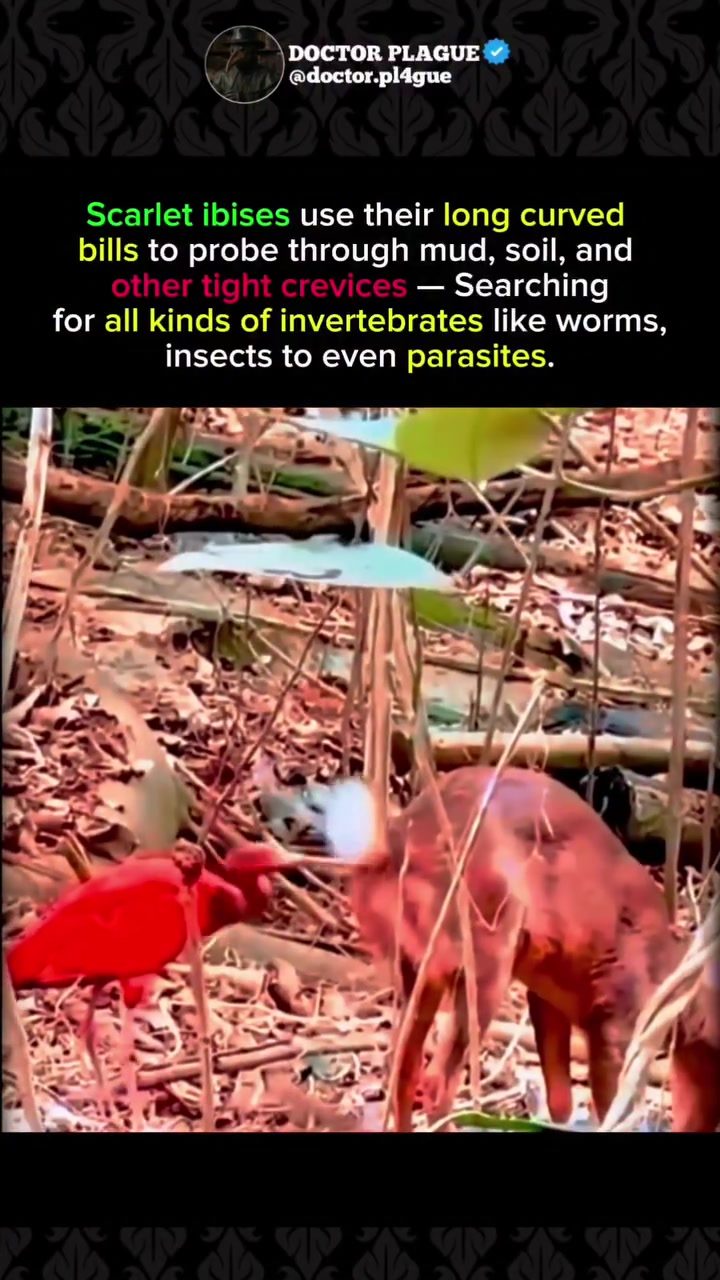
Scarlet Ibis Feeding: A Fascinating Look at Their Unique Foraging Behavior
Scarlet ibises are striking birds known for their vibrant plumage and distinctive feeding habits. Their unique foraging behavior in muddy terrain is a sight to behold, offering insights into the adaptations that make them successful predators in their natural habitat.
Why This Matters
Understanding the feeding habits of scarlet ibises provides valuable insights into the ecological roles these birds play in their ecosystems. Their behavior showcases the intricate balance of nature, where each species has a specific niche that contributes to the overall health of the environment. By observing these birds, we can appreciate the beauty and complexity of natural systems and the importance of conservation efforts to preserve such species.
Scarlet Ibis Foraging Behavior
Unique Adaptations
One of the most notable features of scarlet ibises is their long, curved bills. This adaptation is not just for show; it serves a critical function in their foraging behavior.
Probing for Invertebrates
Their bills are perfectly designed for probing through mud, soil, and other tight crevices. This behavior allows them to search for a variety of invertebrates, including worms, insects, and even parasites. The flexibility and length of their bills enable them to reach into areas where other birds might struggle, giving them a competitive edge in foraging.
Feeding Techniques
Scarlet ibises employ a range of techniques to maximize their feeding efficiency. As they forage through the mud, they use their bills to sift through the soil, probing deeply and carefully to detect the presence of prey. Their patience and precision are key to their success, as they often need to search through layers of mud and soil to find their targets.
This meticulous behavior is essential for their survival, especially in environments where food sources can be scarce or hidden. Their ability to find invertebrates in tight spaces highlights their adaptability and resourcefulness, making them well-suited to their ecological niche.
Invertebrate Diet
The diet of scarlet ibises is diverse, consisting primarily of invertebrates. This includes worms, insects, and various other small creatures that inhabit the muddy terrain. Their long bills help them access these food sources, which are often buried or hidden from view. This dietary habit is crucial for maintaining the balance of their ecosystem, as they help control the population of these invertebrates, which can otherwise proliferate unchecked.
Practical Tips for Birdwatching
Observing scarlet ibises in their natural habitat can be a rewarding experience for birdwatchers. Here are some practical tips to enhance your birdwatching experience:
Best Times and Locations
Scarlet ibises are often found in wetlands, marshes, and mudflats. These areas provide ample opportunities to observe their unique foraging behavior. Early morning and late afternoon are typically the best times to spot them, as they are most active during these periods. Be patient and keep a safe distance to avoid disturbing the birds.
Equipment and Techniques
A good pair of binoculars and a telephoto lens for your camera can greatly enhance your birdwatching experience. These tools allow you to observe the birds closely without disturbing them. It's also helpful to bring a field guide or a smartphone app that can help you identify and learn more about the ibises and their behavior.
Conservation and Ethics
Always remember to follow ethical birdwatching practices. This includes maintaining a safe distance from the birds, avoiding loud noises, and being mindful of your impact on the environment. Conservation efforts are crucial for preserving the habitats of scarlet ibises and other wildlife. Supporting these efforts can help ensure that future generations can also enjoy the beauty of these birds.
Important Takeaways
- Scarlet ibises have a unique foraging behavior that involves using their long, curved bills to probe through mud and soil.
- Their diet consists primarily of invertebrates, which they find by probing through tight crevices and layers of soil.
- This behavior is crucial for their survival and plays a vital role in maintaining the balance of their ecosystem.
- Birdwatching scarlet ibises can be a rewarding experience, and following ethical practices is essential for conservation.
Conclusion
Watching scarlet ibises forage is a fascinating glimpse into the intricate world of bird behavior and ecology. Their long, curved bills and meticulous foraging techniques are a testament to the remarkable adaptations that have evolved in nature. By understanding and appreciating these birds, we can foster a deeper connection with the natural world and the importance of preserving it for future generations.
Watch the Reel
Questions readers ask
What makes the scarlet ibis's bill uniquely suited for foraging in muddy terrain?
The scarlet ibis's bill is long and curved, which allows it to probe deeply into the mud and tight crevices. This adaptation enables the bird to extract hidden prey, such as invertebrates, that other birds might miss.
How do scarlet ibises use their bills while foraging in mud?
Scarlet ibises employ careful probing techniques, inserting their bills into the mud and wiggling them to detect prey. This method helps them locate and capture food items that are buried or hiding within the muddy terrain.
What types of food do scarlet ibises typically find in the mud?
Scarlet ibises primarily feed on invertebrates, such as crustaceans, insects, and worms, which they find while foraging in the mud. Their long, curved bills and probing techniques are specifically adapted to extract these small prey from their muddy habitat.
Why is the scarlet ibis's foraging behavior important for its ecosystem?
The foraging behavior of scarlet ibises plays a crucial role in maintaining the health of their ecosystems. By feeding on invertebrates in the mud, they help control populations of these organisms and contribute to nutrient cycling, which is essential for the overall balance of their habitat.
What can observing scarlet ibis foraging habits teach us about conservation?
Observing the foraging habits of scarlet ibises highlights the specific adaptations and behaviors that these birds have developed to thrive in their natural environments. This knowledge underscores the importance of preserving these habitats and the specific roles that these birds play within them, fostering awareness and support for conservation efforts.
How do scarlet ibises adapt their foraging techniques to different types of muddy terrain?
Scarlet ibises adjust their probing techniques based on the consistency and depth of the mud. In deeper or softer mud, they may insert their bills more thoroughly, while in shallower or firmer mud, they might use more shallow probes to detect prey. This adaptability ensures they can efficiently forage across various conditions within their habitat.
Related deep dives
Similar reads based on topic and creator.


Recent articles
Fresh deep dives from the latest Reels we unpacked.



Comments
Be the first to comment.