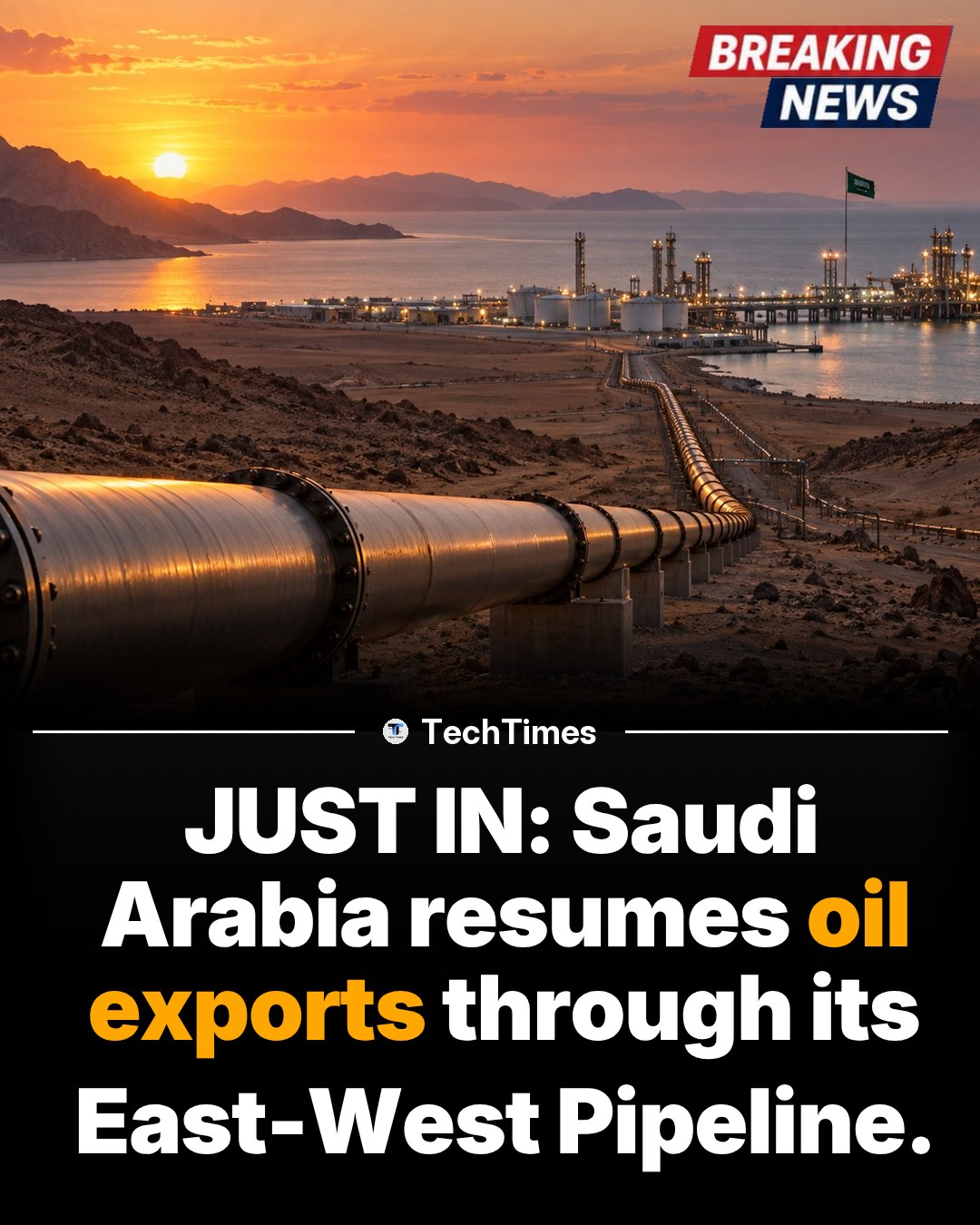
Saudi Arabia, a major player in the global oil market, has resumed its oil exports through the East-West Pipeline. This development marks a significant shift in the country's energy strategy, highlighting the intricate web of pipelines that crisscross the Saudi landscape.
The East-West Pipeline: A Strategic Artery
The East-West Pipeline is a crucial infrastructure asset for Saudi Arabia. Stretching over 1,200 kilometers, it connects the oil fields of the Eastern Province to the Red Sea coast. This pipeline allows Saudi Arabia to export crude oil to global markets more efficiently. Saudi Arabia possesses vast oil reserves, estimated at 255 billion barrels. The pipeline is distinctive from other modes of transport due to its expansive length and capacity, making Saudi Arabia a key player on the global energy stage. Built in the early 1980s, the East-West Pipeline is designed to transport oil from the prolific Ghawar field, the world's largest conventional oil field, to the Yanbu port on the Red Sea. This strategic route bypasses the Strait of Hormuz, a choke point for global oil exports, providing Saudi Arabia with a secure alternative for its oil exports.
Signals from the Saudi oil tap
Saudi Arabia's resumption of oil exports signals a return to normalcy in its energy infrastructure and also highlights a number of important trends. The pipeline is a critical part of Saudi Arabia's efforts to diversify its export routes and reduce reliance on the Strait of Hormuz, a strategic choke point for global oil shipments. The East-West Pipeline provides an alternative route for transporting crude oil. Given growing geopolitical tensions in the region, this diversification is crucial for ensuring the steady flow of oil to global markets. The rehabilitation of the pipeline also underscores the broader theme of infrastructure development in Saudi Arabia. The country is investing heavily in modernizing its energy infrastructure as part of its Vision 2030 initiative, which aims to diversify the economy and reduce dependence on oil. The pipeline's resumption is a tangible step in this direction.
Oil flow disruption
Shutdown Seasons
The East-West Pipeline has faced periodic disruptions due to maintenance and security concerns. These disruptions temporarily halt the flow of oil. Shutdowns follow routine maintenance, unforeseen operational issues, or security concerns. Despite these disruptions, the pipeline remains a critical asset for Saudi Arabia’s oil export strategy. These shutdowns highlight the necessity of regular maintenance and the challenges posed by external threats. However, the resilience of the pipeline showcases Saudi Arabia's commitment to maintaining its role as a reliable oil supplier, despite operational hurdles.
Pipeline Capacity
The pipeline’s maximum capacity is estimated by the U.S. Energy Information Administration to be 4.8 million barrels per day. Although the actual throughput may vary, the pipeline’s capacity underscores its significance in Saudi Arabia’s export strategy.
Pipeline Route Options
The East-West Pipeline’s route from the Eastern Province to the Red Sea coast provides Saudi Arabia with a strategic alternative to exporting through the Gulf. This is important when considering sea routes. The pipeline’s route allows it to bypass the Strait of Hormuz, a critical passage for global oil shipments. This strategic bypass enhances Saudi Arabia’s ability to export oil.
The Yanbu Port
Located 2,300 kilometers northwest of Ghawar field, Yanbu is home to state-of-the-art facilities that process and export crude oil. The coastal city serves as the pipeline’s endpoint, connecting it to global markets.
Practical Considerations of the East-West Pipeline
For anyone interested in the humanitarian implications of oil infrastructure:
Safety and Livelihood
- Maintenance Regimes: Regular maintenance is crucial for ensuring the pipeline’s longevity and safety, as seen from its periodic shutdowns.
- Community Impact: Major infrastructure projects can significantly impact local communities, altering landscapes and livelihoods. For residents near the East-West Pipeline, the presence of the pipeline can bring economic benefits but also poses risks to the local environment.
- Operational Issues: The risks to the community and the need to ensure continuous safety measures to guarantee the steady operation of the pipelines.
A Tapestry of Energy and Resilience
The resumption of operations through the East-West Pipeline underscores Saudi Arabia’s enduring role as a global energy titan, even amidst regional tensions and infrastructure challenges. Given Saudi Arabia’s significant influence on global energy markets, the resumption of oil exports through the East-West Pipeline is a pivotal development. It ensures maintaining its energy exports to the international markets, affirming its strategic importance in the global energy landscape.
Watch the Reel
Questions readers ask
What exactly is the East-West Pipeline and why is it important for Saudi Arabia?
The East-West Pipeline is a 1,200km-long infrastructure that connects Saudi Arabia's oil fields in the Eastern Province to the Red Sea coast. It's important because it allows Saudi Arabia to export crude oil more efficiently and securely, bypassing the Strait of Hormuz, a critical choke point for global oil exports.
How does the East-West Pipeline differ from other oil transport methods in Saudi Arabia?
The East-West Pipeline stands out due to its length and capacity. Unlike other transport methods, such as tankers through the Strait of Hormuz, the pipeline provides a more secure and direct route for exporting oil, making Saudi Arabia a key player in the global energy market.
Can the East-West Pipeline handle all of Saudi Arabia's oil exports?
The pipeline has a maximum capacity of 4.8 million barrels per day, as estimated by the U.S. Energy Information Administration. While this is significant, it may not handle all of Saudi Arabia's oil exports, as the actual throughput can vary, and Saudi Arabia possesses vast oil reserves.
What are the main reasons for the periodic disruptions in the East-West Pipeline's operations?
The East-West Pipeline has faced disruptions due to routine maintenance, unforeseen operational issues, and security concerns. These shutdowns, while temporary, highlight the need for regular upkeep and the challenges posed by external threats. However, the pipeline's resilience shows Saudi Arabia's commitment to maintaining its role as a reliable oil supplier.
How does the resumption of the East-West Pipeline fit into Saudi Arabia's broader energy strategy?
The resumption of the East-West Pipeline is a key part of Saudi Arabia's efforts to diversify its export routes and reduce reliance on the Strait of Hormuz. It also aligns with the country's Vision 2030 initiative, which aims to modernize energy infrastructure and diversify the economy.
Recent articles
Fresh deep dives from the latest Reels we unpacked.




Comments
Be the first to comment.