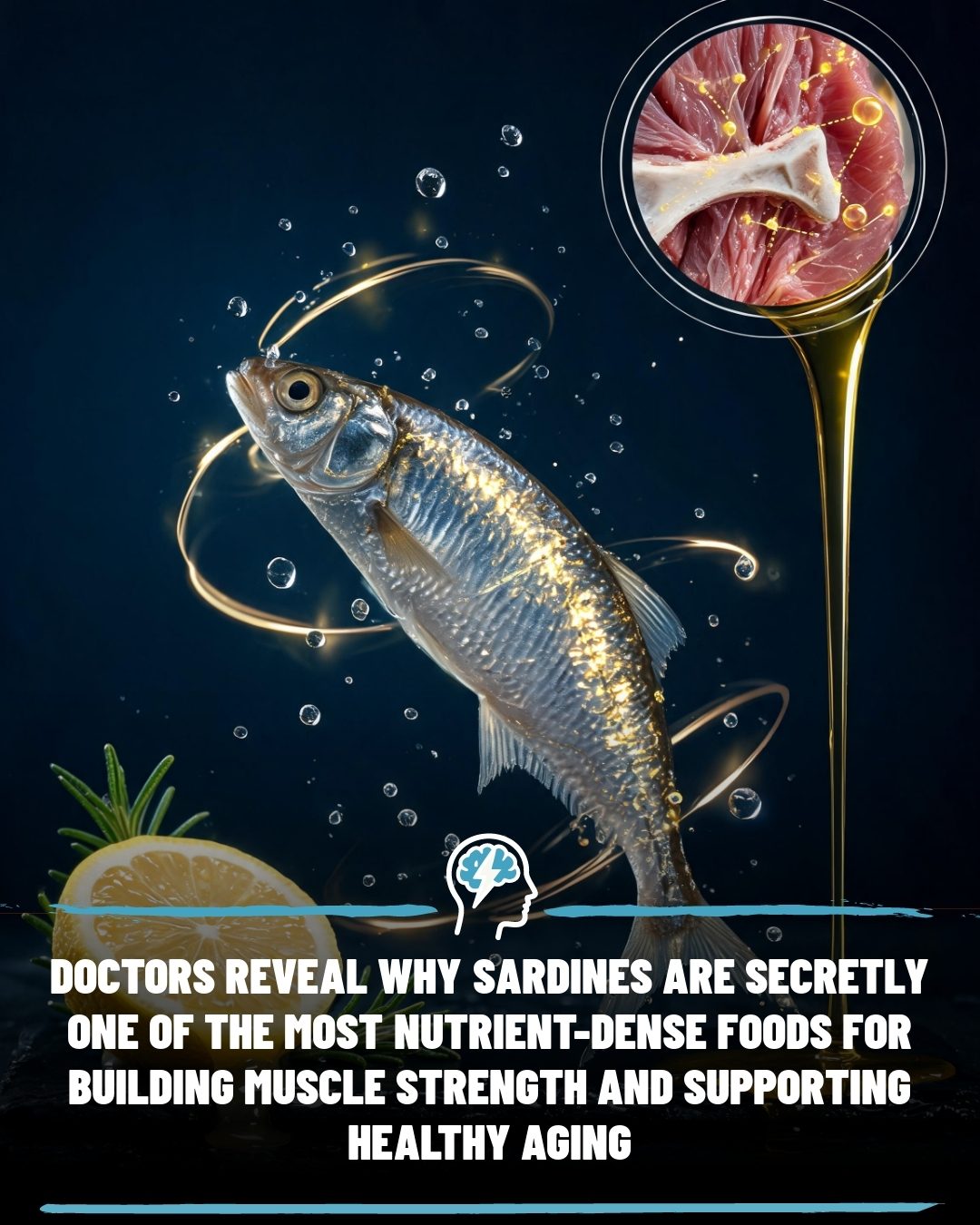
Sardines: A Nutritional Powerhouse for Building Muscle and Healthy Aging
Sardines, often overlooked in the grocery aisle, are a nutritional treasure trove. These small fish pack a powerful punch of nutrients that are often underestimated. While many people recognize sardines for their omega-3 fatty acids, the real story lies in the rich mix of minerals and protein they contain. This combination offers a variety of health benefits, especially as we age.
Why This Matters
As we grow older, maintaining muscle strength and overall health becomes increasingly important. Sardines offer a unique set of nutrients that support muscle growth, bone health, and overall vitality. Incorporating sardines into your diet can provide a range of health benefits with minimal effort.
The Nutritional Benefits of Sardines
Building Strength and Stability
Sardines are an excellent source of the raw materials needed for muscle and bone health. They are one of the few natural sources of vitamin D, which aids in calcium absorption and supports the immune system. Most canned sardines are packed with bones that are softened during the canning process, providing a significant dose of calcium in each serving. This makes sardines a valuable addition to your diet, especially for maintaining bone density and muscle strength as you age.
Premium Fuel for the Body
Sardines are a complete protein, meaning they contain all the essential amino acids your body needs but cannot produce on its own. This protein is crucial for repairing tissues and maintaining muscle mass, which tends to decrease with age. Consuming sardines once or twice a week can fuel your metabolism and help your body withstand daily wear and tear.
Aging with Vitality
Beyond muscle and bone health, sardines support brain and heart health. They are high in vitamin B12, which is essential for energy production and nerve function. Unlike larger predatory fish, sardines have lower mercury levels, making them a safer choice for regular consumption. Eating sardines regularly has been linked to improved heart function and reduced inflammation, contributing to overall vitality and healthy aging.
Practical Tips for Incorporating Sardines into Your Diet
Simple Nutritional Solutions
Incorporating sardines into your diet is straightforward. They have a long shelf life, work well in a variety of dishes, and canned versions can be eaten straight from the can without any cooking required. For example, you can add sardines to salads, sandwiches, pasta dishes, or enjoy them on their own as a quick snack.
Nutritional Highlights
Sardines are a good source of EPA and DHA fatty acids, which are essential for heart health and brain function. They are also high in selenium, which supports thyroid health, and phosphorus, which is used for energy storage. Additionally, sardines have a low environmental impact due to their fast reproduction cycles, making them a sustainable choice.
Important Takeaways
Sardines offer a wide range of health benefits that make them a valuable addition to any diet. Their combination of protein, minerals, and essential fatty acids supports muscle strength, bone health, and overall vitality. By incorporating sardines into your weekly meals, you can boost your nutrient intake with minimal effort.
Nutritional Power
Sardines are a nutrient-dense food that provides a mix of minerals and protein essential for overall body functions. They are an excellent source of vitamin D, which helps absorb calcium, and a complete protein that repairs tissues and maintains muscle mass. Regular consumption of sardines can fuel your metabolism, support your immune system, and help your body handle daily stress.
Health and Aging
As we age, maintaining muscle strength and overall health becomes crucial. Sardines support this by providing the raw materials needed for muscle and bone health and promoting heart and brain health. Their low mercury levels and high vitamin B12 content make them a safe and nutritious choice for regular consumption. Incorporating sardines into your diet can contribute to a healthier, more vigorous aging process.
Conclusion
Sardines are a nutritional powerhouse that offers a range of health benefits, from building muscle strength to supporting healthy aging. Their rich mix of minerals, protein, and essential fatty acids makes them an excellent addition to any diet. By incorporating sardines into your weekly meals, you can boost your nutrient intake, support your overall health, and enjoy the many benefits of this small but mighty fish.
Watch the Reel
Questions readers ask
What makes sardines a good choice for maintaining muscle strength?
Sardines are rich in high-quality protein, which is essential for building and repairing muscle tissue. They also contain omega-3 fatty acids, which help reduce inflammation and promote muscle recovery, making them an excellent choice for maintaining muscle strength.
How do sardines support healthy aging?
Sardines are packed with nutrients that support overall health as we age. They contain calcium and vitamin D, which promote bone health and prevent osteoporosis. Additionally, their omega-3 fatty acids and antioxidants can help reduce the risk of age-related diseases, such as heart disease and cognitive decline.
What is the protein content in sardines and how does it compare to other fish?
A single serving of sardines (about 3.5 ounces) provides around 22-25 grams of protein. This is comparable to other fatty fish like salmon, and higher than leaner fish options. Additionally, sardines offer a diverse range of minerals, making them a more comprehensive nutritional choice.
Why are sardines beneficial for bone health?
Sardines are rich in calcium and vitamin D, both of which are crucial for maintaining strong bones. They also contain phosphorus, another mineral essential for bone health. The combination of these nutrients makes sardines an excellent choice for supporting bone density and preventing bone loss as you age.
How do sardines compare to other fish in terms of omega-3 content?
Sardines are one of the richest sources of omega-3 fatty acids, particularly EPA and DHA. They contain even more omega-3s than some other popular fish like salmon. This makes sardines a great dietary source of these vital fats, which support heart health, reduce inflammation, and promote brain function.
Should I choose canned or fresh sardines for optimal health benefits?
Both canned and fresh sardines offer similar nutritional benefits. Canned sardines are often more convenient and have a longer shelf life, while fresh sardines may retain slightly better texture. Opt for canned sardines packed in water or their own oil to minimize added sodium and calories.
What are the best ways to incorporate sardines into my diet?
Canned sardines are versatile and can be added to salads, pasta, or sandwiches. For a quick, protein-rich snack, you can simply mix them with some lemon juice and herbs. Fresh sardines can be grilled, baked, or sautéed. Try incorporating them into your meals 2-3 times a week to reap the benefits.
Related deep dives
Similar reads based on topic and creator.



Recent articles
Fresh deep dives from the latest Reels we unpacked.




Comments
Be the first to comment.