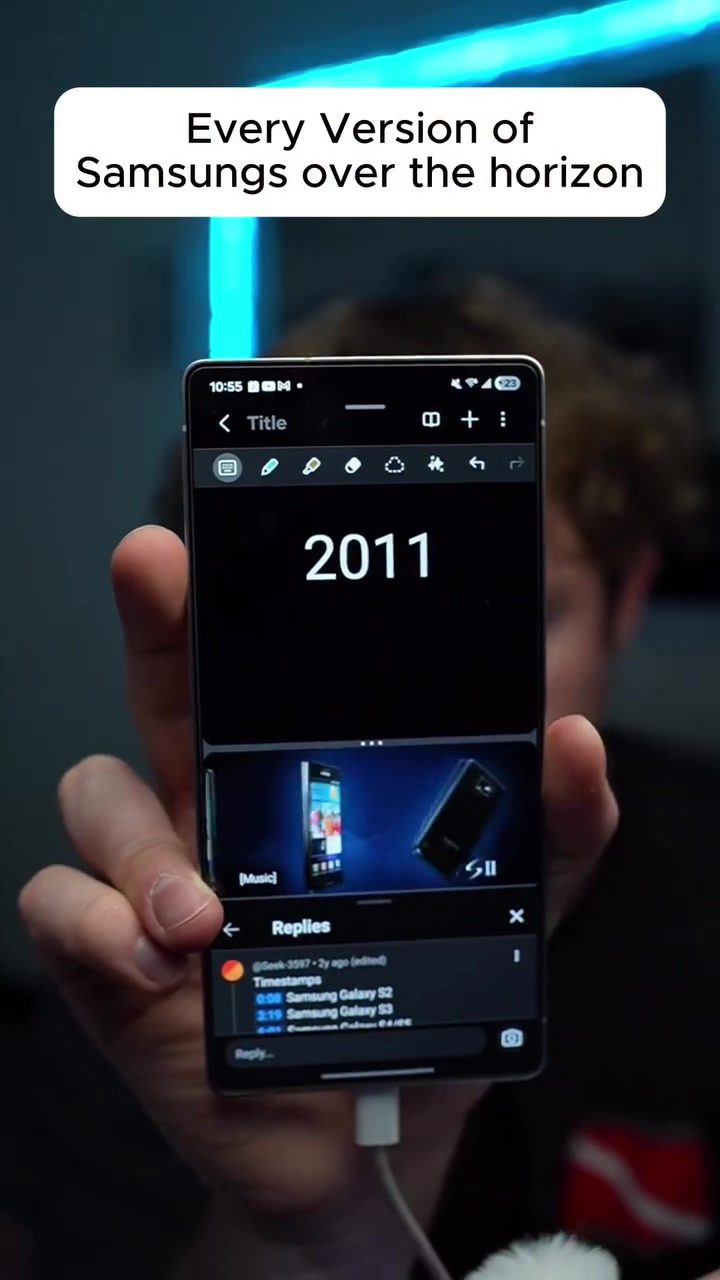
Samsung Galaxy Phone Evolution: From the S2 to the S20
Samsung's Galaxy S series phones have significantly evolved since their inception, reflecting the rapid advancements in smartphone technology. From the Samsung Galaxy S2 to the Samsung Galaxy S20, each model brought new features and improvements that captivated tech enthusiasts and everyday users alike. Let's dive into the evolution of these iconic devices.
Why This Matters
Understanding the evolution of Samsung Galaxy phones provides valuable insights into the broader trends in smartphone technology. Each new model introduces innovative features, improved performance, and enhanced user experiences. By examining the progression from the S2 to the S20, we can appreciate how far smartphone technology has come and anticipate future developments.
Main Discussion
The Early Years: S2 and S3
The Samsung Galaxy S2, released in 2011, was a groundbreaking device that set the stage for future Galaxy models. It featured a 4.3-inch Super AMOLED display, a 1.2 GHz dual-core processor, and an 8-megapixel rear camera. The S2 was known for its sleek design and impressive performance, making it a popular choice among smartphone users.
The Galaxy S3, launched in 2012, built upon the success of its predecessor. It introduced a larger 4.8-inch Super AMOLED display, a 1.4 GHz quad-core processor, and a 8-megapixel rear camera with advanced imaging features. The S3 also introduced S Voice, a voice command feature that allowed users to interact with their device hands-free.
Mid-Generation Innovations: S4, S5, and S6
The Samsung Galaxy S4, released in 2013, was a significant upgrade with a 5-inch Full HD Super AMOLED display, a 1.6 GHz quad-core processor, and a 13-megapixel rear camera. The S4 introduced features like Air Gestures, which allowed users to control the device with hand movements, and Smart Pause, which paused video playback when the user looked away.
The Galaxy S5, launched in 2014, focused on durability and security. It featured a 5.1-inch Full HD Super AMOLED display, a 2.5 GHz quad-core processor, and a 16-megapixel rear camera. The S5 introduced a fingerprint scanner, water resistance, and a heart rate sensor, making it a versatile and durable device.
The Galaxy S6, introduced in 2015, marked a departure from the plastic designs of previous models. It featured a sleek metal and glass design, a 5.1-inch Quad HD Super AMOLED display, and a 16-megapixel rear camera. The S6 also introduced wireless charging and a more premium feel, appealing to users looking for a high-end device.
The S7 and S8 Era
The Samsung Galaxy S7, released in 2016, continued the trend of premium design and performance. It featured a 5.1-inch Quad HD Super AMOLED display, a 2.3 GHz octa-core processor, and a 12-megapixel rear camera. The S7 introduced Dual Pixel technology, which improved low-light photography, and water resistance, making it a durable and high-performing device.
The Galaxy S8, launched in 2017, brought significant design changes with an edge-to-edge display and a nearly bezel-less design. It featured a 5.8-inch Quad HD+ Super AMOLED display, a 2.35 GHz octa-core processor, and a 12-megapixel rear camera. The S8 introduced Bixby, a virtual assistant, and enhanced security features like facial recognition and iris scanning.
The S9 and S10 Era
The Samsung Galaxy S9, released in 2018, focused on improving camera capabilities. It featured a 5.8-inch Quad HD+ Super AMOLED display, a 2.35 GHz octa-core processor, and a 12-megapixel rear camera with variable aperture. The S9 introduced a dedicated Bixby button and improved low-light photography with dual aperture technology.
The Galaxy S10, launched in 2019, brought significant improvements in display and camera technology. It featured a 6.1-inch Quad HD+ Dynamic AMOLED display, a 2.84 GHz octa-core processor, and a 12-megapixel rear camera with advanced imaging features. The S10 introduced an in-display fingerprint scanner and a triple rear camera setup, making it a versatile and high-performing device.
The Samsung Galaxy S20
The Samsung Galaxy S20, released in 2020, marked a new era in smartphone technology. It featured a 6.2-inch Dynamic AMOLED 2X display with a 120Hz refresh rate, a 2.73 GHz octa-core processor, and a 12-megapixel rear camera with advanced imaging features. The S20 introduced 5G connectivity, improved low-light photography, and a high refresh rate display, making it a cutting-edge device.
Practical Tips
When exploring the evolution of Samsung Galaxy phones, consider the following tips:
- Research Specifications: Before purchasing a new model, compare the specifications of different Galaxy S series phones to understand the improvements and new features.
- Check for Compatibility: Ensure that the device you are considering is compatible with your current accessories and apps.
- Consider Resale Value: Some older models, like the S7 and S8, may still hold significant value and offer excellent performance at a lower cost.
- Look for Deals: Keep an eye out for sales and discounts, especially during holiday seasons or when new models are released.
- Use Reviews and Ratings: Utilize user reviews and expert ratings to get a comprehensive understanding of the device's performance and reliability.
Important Takeaways
- Incremental Improvements: Each new Galaxy S series model introduces incremental improvements in display, performance, and camera technology.
- Innovative Features: Samsung consistently introduces new features, such as wireless charging, dual aperture technology, and high refresh rate displays.
- User Preferences: The choice of a Galaxy S series phone depends on individual preferences, such as display size, camera capabilities, and security features.
Conclusion
The evolution of Samsung Galaxy phones from the S2 to the S20 showcases the rapid advancements in smartphone technology. From improved displays and cameras to enhanced performance and innovative features, each model has pushed the boundaries of what a smartphone can do. Whether you're a tech enthusiast or a casual user, understanding the progression of these devices can help you make informed decisions and appreciate the technological advancements that have shaped the modern smartphone landscape.
Watch the Reel
Questions readers ask
What were the key design changes from the Galaxy S2 to the Galaxy S20?
The Galaxy S2 featured a more angular design with a physical home button, while the Galaxy S20 introduced a sleek, bezel-less design with a curved display and an under-display fingerprint scanner. The S20 also features a more premium build with enhanced materials.
How has the performance of Samsung Galaxy S series improved over the years?
Starting from the Galaxy S2 with a dual-core processor, each subsequent model saw significant performance upgrades. The Galaxy S20, for instance, is powered by advanced processors like the Exynos 990 or Snapdragon 865, offering faster speeds and better multitasking capabilities.
What are some notable features introduced in the Galaxy S20 that were not present in the Galaxy S2?
The Galaxy S20 introduced several groundbreaking features such as a high-refresh-rate display, improved camera systems with 8K video recording, 5G connectivity, and advanced wireless charging capabilities, all of which were not available in the Galaxy S2.
How has the camera technology in the Samsung Galaxy S series progressed from the S2 to the S20?
The Galaxy S2 had an 8-megapixel rear camera, while the Galaxy S20 features a triple-camera setup with 64-megapixel telephoto, 12-megapixel wide, and 12-megapixel ultra-wide lenses, offering significantly improved photo and video quality.
What improvements were made in display technology from the Galaxy S2 to the Galaxy S20?
The Galaxy S2 featured a 4.3-inch Super AMOLED display, whereas the Galaxy S20 boasts a 6.2-inch Dynamic AMOLED 2X display with a 120Hz refresh rate, providing a much smoother and immersive viewing experience.
How has the battery life and charging technology evolved in the Galaxy S2 to the Galaxy S20?
The Galaxy S2 had a 1650mAh battery with basic charging capabilities. In contrast, the Galaxy S20 features a larger 4000mAh battery and supports fast wireless charging, as well as reverse wireless charging, allowing users to charge other devices.
What changes have been made to the user interface and customization options from the Galaxy S2 to the Galaxy S20?
The Galaxy S2 ran on an older version of Android with a more basic TouchWiz UI. The Galaxy S20, however, runs on the latest Android version with Samsung's One UI, offering a more streamlined and customizable user experience with features like Dark Mode and innovative gesture controls.
Related deep dives
Similar reads based on topic and creator.




Recent articles
Fresh deep dives from the latest Reels we unpacked.




Comments
Be the first to comment.