Salmon's Vertical Ballet
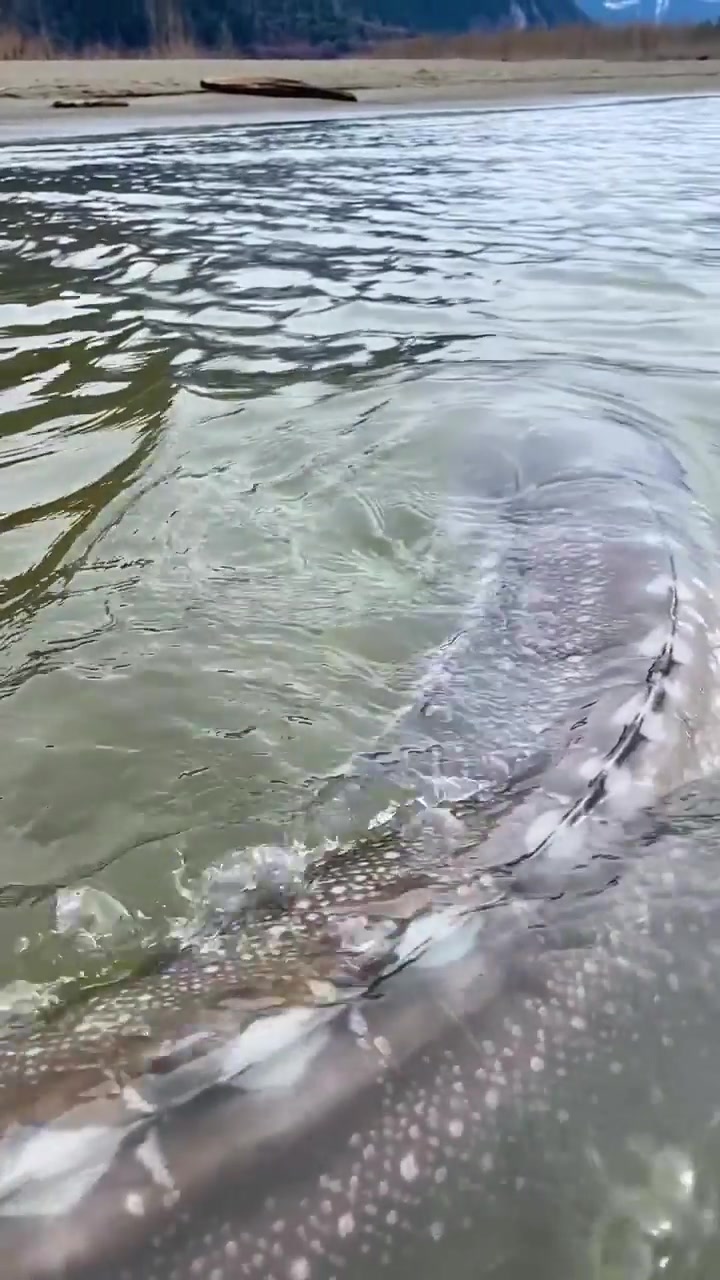
A river at mountain's edge is a canvas. The setting of this video. The star? The fish known for its vertical ballet, the salmon. Salmon leap against the current, repeatedly, a symphony of strength and purpose.This show in the video: the salmon’s relentless movement against the river's natural flow.
The Art of the Salmon Jump
The film does not show its audience a mellow salmon but a mesmerizing exhibition. Salmon are known for their incredible jumping ability, a practice called "jumping" or "leaping." Salmon use their powerful tails and bodies to launch themselves into the air. This behavior is often associated with spawning migrations, when adult salmon return to their natal streams to reproduce. The fish leap out of the water — sometimes as high as six feet in a powerful, full-body motion. The movement is distinctive for that. This is what the video captures. The salmon in this video doesn’t jump just once or twice. No, it appears repeatedly. That is the salmon’s ballet. Those incredible leaps create splashes. It is an athletic maneuver. That leap makes a splash. The splashing is not just water movement, it is a sight to behold. The splashing salmon are bound by destiny and biology. This is the reality of their life cycles. However, it is not just a symbolic dance — it’s a vital part of their life cycle. Wild salmon migrate from the ocean to freshwater streams to reproduce. They battle the currents, navigate obstacles, and leap over barriers, including waterfalls and man-made structures. The river’s currents can be strong. Sometimes the salmon have to clear barriers. All the while, the salmon face threats. Predators lurk. Humans loom. They are swimming up to their breeding grounds to spawn.
The High-Stakes Journey of the Salmon
Salmon’s journey is a high-stake game of survival. Once the salmon leap into fresh water – they leap against gravity. The jump is their way of navigating over obstacles and reaching their breeding grounds. Scientists posit their leaps are part of their mating ritual. It is said that the higher a salmon jumps, the more attractive it appears to potential mates. The leaping salmon is a display of strength, fitness, and genetic quality. The salmon appears to jump against the current. That leap can also help the salmon conserve energy. By leaping, they can reduce the distance they have to swim against the force of gravity. This is so they can reach their breeding grounds faster, and with more energy reserves. Conservationists say this vertical ballet ritual is strategic. They believe the salmon are strategically clearing obstacles to protect their spawning grounds. The leap is a way to avoid predators. Simply, the salmon leap their way to survival.
A Dynamic and Detrimental Maneuver
The salmon’s vertical ballet – a dynamic move is also detrimental to survival. It's a method of self-protection, but it's also a gamble. Lifelong it is a struggle against the elements and against predators." They can only leap high for so long. They reach a threshold. Leaping salmon heighten their own pressures on the local ecosystem. Mid-leap, they clear obstacles, but they also stir up sediment, making it difficult for them to find their way. Sometimes, they can end up. Leaping repeatedly burns a lot of energy. As the salmon nears its spawning grounds, it is a game of endurance. Salmon expend a lot of their energy during this process, which is essential for the survival of any species. Salmon commonly experience a loss of appetite and increased stress levels. Their bodies also undergo significant physiological changes. These are processes that make them more susceptible to diseases and infections. However, with all these risks the salmon leap. River currents can also disperse their eggs. Once hatched, the salmon fry (salmon eggs) are often washed away, making the survival rate of salmon fry lower.
Crisscrossing the Salmon’s Vital World
The salmon’s journey and the logic sustaining it are multi-faceted. Salmon are a vital component of the river ecosystem. They help to transfer nutrients from the ocean to freshwater streams, which supports the growth of plants and other animals. Salmon are also a keystone species. This means they play a crucial role in maintaining the health and balance of their ecosystems. Salmon provide food for a range of predators, including bears, eagles, and other birds of prey. Salmon and humans have a complex relationship. Salmon is a popular game fish and a valuable commercial resource. However, overfishing, habitat destruction, and climate change have led to a decline in salmon populations. The salmon is also a cultural icon. Indigenous communities, particularly the Northwest coast, the salmon is not just a food source. They are also a spiritual symbol. Salmon are also a cultural icon in many communities. They are revered for their strength, resilience, and beauty. However, human activity has led to a decline in salmon populations, and they are now considered endangered. That is why you see dedicated streamside conservation efforts across the globe.
Catch a Salmon's Leap
The tale of a salmon's leap is inspiring. More so, it is a lesson in perseverance, survival, and adaptability. Trying to catch a glimpse of this natural spectacle? You may need to plan ahead. Salmon can leap in different seasons. Here’s a short guide to help you get started.
- Choose the right river: Salmon leaping seasons include the months of May to August. River selection is key. Choose a river. There are many options. In the Pacific Northwest, for instance. The Chinook and coho salmon populations are well-documented. Ancient salmon species, such as canyons, rivers, and the Salish Sea are great. You may need a guide to show you the best location.
- Visit a fish hatchery: Fish hatcheries are designed to raise and release salmon fry into the wild. they are an excellent place to see salmon leaping. Many hatcheries offer educational programs and guided tours. Choose a place that has a view of a river.
- Rest and observe: Salmon leaps are unpredictable and can occur at any time of day. Avoid the urge to rush. Have patience and quiet. Bring a chair and binoculars. Sit and watch the river.
- Time your visit: Salmon leaping activity tends to peak in the late afternoon and early evening. This is when the fish are most active. However, leaping can occur at any time of day, so it's best to visit during peak leaping season to maximize your chances of seeing the spectacle.
The Salmon Symbole
The salmon’s leap stems from nature’s instinct. It is also a beloved cultural symbol. Humans invest in protecting the salmon's journey. The salmon’s leap is also a reflection of our own journey. The salmon’s jump, a ballet of survival. It is a reminder of the delicate balance between humans, wildlife, and the environment. The salmon’s leap is a rare spectacle. We should continue to appreciate and protect it.
Watch the Reel
Questions readers ask
What kind of salmon are we seeing in the video?
The article doesn't specify the exact species of salmon, but it's likely that the video features one of the Pacific species known for their impressive leaping abilities, such as Chinook, Coho, or Sockeye salmon. These species are renowned for their spawning migrations and powerful jumps.
How high can salmon actually jump?
Salmon can jump remarkably high, with some species capable of leaping up to six feet in the air. This incredible feat is part of their spawning migration, where they navigate obstacles like waterfalls and man-made structures to reach their breeding grounds. The video showcases this impressive ability.
Why do salmon leap out of the water during their migration?
Salmon leap out of the water for several reasons. Primarily, it helps them navigate over obstacles and reach their breeding grounds. Additionally, scientists believe that the height of their jumps can signal their fitness and genetic quality to potential mates, and leaping can also help conserve energy by reducing the distance they have to swim against the current.
What challenges do salmon face during their spawning migration?
Salmon face numerous challenges during their spawning migration, including strong currents, natural barriers like waterfalls, and man-made structures. They also encounter predators and human threats. Their leaps are a crucial part of overcoming these obstacles to reach their breeding grounds and successfully reproduce.
Can the salmon's leaping behavior impact the local ecosystem?
Yes, the salmon's leaping behavior can have both positive and negative impacts on the local ecosystem. While it helps them clear obstacles and reach their spawning grounds, the leaps can also stir up sediment, affecting water quality and potentially disrupting the habitats of other species in the river.
Related deep dives
Similar reads based on topic and creator.


Recent articles
Fresh deep dives from the latest Reels we unpacked.



Comments
Be the first to comment.