The Sagrada Familia in 1906: A Glimpse into Historical Construction
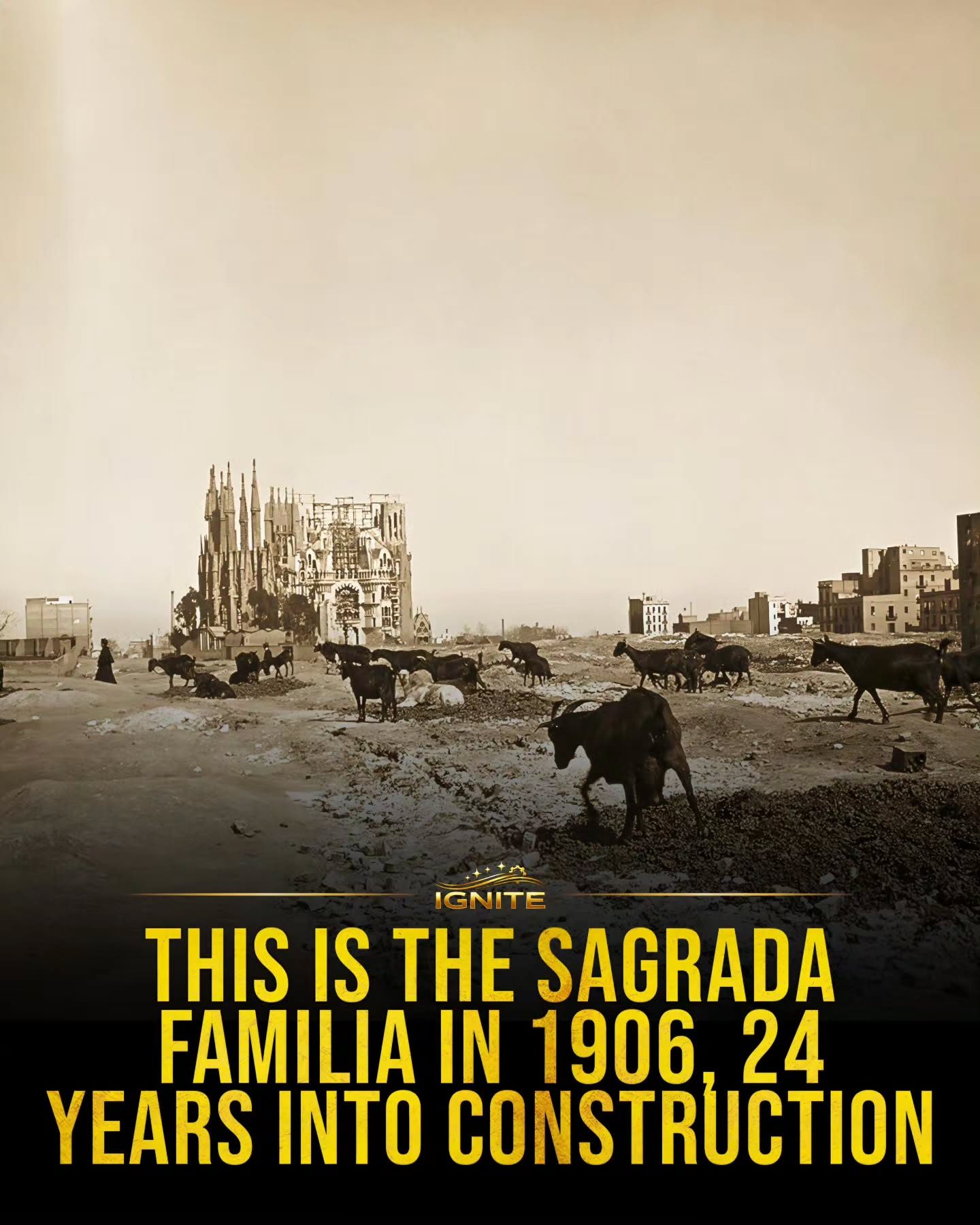
The Sagrada Familia, a masterpiece of Antoni Gaudí, stands as one of the most iconic and intricate architectural marvels in the world. The cathedral's ongoing construction, spanning over a century, has left behind a rich tapestry of historical images that offer a glimpse into its evolution. In this image from 1906, the cathedral is 24 years into construction, revealing a bustling construction site with workers and horses amidst the unfinished sections.
Why This Matters
The Sagrada Familia's construction journey is a testament to human perseverance and artistic genius. Understanding the cathedral's early stages of construction provides valuable insights into the architectural and engineering challenges overcome by Gaudí and his successors. More broadly, it offers a window into the historical context and the industrial processes of early 20th-century Barcelona.
The Early Construction Phase
The Site in 1906
In 1906, the Sagrada Familia was a far cry from the majestic structure it is today. The image shows a bustling construction site, with workers and horses contributing to the labor-intensive process. The unfinished sections of the cathedral highlight the sheer scale of the project and the meticulous planning required to bring Gaudí's vision to life.
The Role of Horses in Construction
Horses played a crucial role in the early construction of the Sagrada Familia. They were used to transport materials and equipment, providing the necessary muscle power in an era before modern machinery. The presence of horses in the 1906 image underscores the manual labor and logistics involved in such an ambitious project. Although horses are no longer a part of modern construction, their role in historical construction sites cannot be underestimated.
Architectural and Engineering Challenges
Gaudí's Vision
Antoni Gaudí's vision for the Sagrada Familia was nothing short of revolutionary. His unique architectural style, blending Gothic and Art Nouveau elements, required innovative engineering solutions. The 1906 image showcases the early stages of this vision, with the naive facade and unfinished towers giving a glimpse into the monumental task ahead.
Structural Integrity
One of the primary challenges faced by the builders was ensuring the structural integrity of the cathedral. The use of new materials and techniques required careful planning and execution. The unfinished sections in the 1906 image highlight the meticulous attention to detail and the intricate design elements that Gaudí incorporated into his blueprints.
The Legacy of the Sagrada Familia
A Symbol of Barcelona
The Sagrada Familia has become a symbol of Barcelona, attracting millions of visitors each year. Its ongoing construction serves as a reminder of the city's rich history and cultural heritage. The 1906 image offers a rare glimpse into the early stages of this iconic landmark, providing a historical context for its enduring legacy.
Continuing the Vision
The construction of the Sagrada Familia continues to this day, with modern techniques and materials being used to bring Gaudí's vision to fruition. The ongoing project serves as a testament to the enduring legacy of the architect and the perseverance of those who continue his work. The 1906 image is a poignant reminder of the journey that began over a century ago and is still unfolding today.
Practical Tips for Understanding Historical Construction
Research the Architect
Understanding the mind of the architect behind a historical construction project can provide valuable insights. Reading about Antoni Gaudí's life, his inspirations, and his other works can deepen your appreciation for the Sagrada Familia.
Study the Blueprint
The blueprints and architectural plans of historical construction projects offer a wealth of information. Studying the blueprints of the Sagrada Familia can give you a clear understanding of the design, the materials used, and the engineering challenges faced by the builders.
Visit Historical Sites
Visiting historical construction sites, such as the Sagrada Familia, can provide a hands-on experience of the architectural and engineering marvels. The site offers guided tours and exhibits that delve into the construction process and the story of the cathedral.
Important Takeaways
The 1906 image of the Sagrada Familia offers a unique perspective on the cathedral's early construction phase. It highlights the meticulous planning and the labor-intensive processes involved in bringing Gaudí's vision to life. Beyond the architectural marvel, the image serves as a historical artifact, offering a glimpse into the industrial processes and the cultural context of early 20th-century Barcelona. Furthermore, the ongoing construction of the Sagrada Familia stands as a testament to human perseverance and artistic genius, embodying the enduring legacy of Antoni Gaudí.
Conclusion
The Sagrada Familia, even in its early stages of construction, is a testament to the power of vision and perseverance. The 1906 image, depicting a bustling construction site with workers and horses, offers a unique glimpse into the architectural and engineering challenges faced during its early years. As the cathedral continues its journey towards completion, it remains a symbol of Barcelona's rich history and cultural heritage. By delving into the historical context and the legacy of the Sagrada Familia, we can gain a deeper appreciation for its enduring significance.
Watch the Reel
Questions readers ask
What can we learn from the 1906 image of the Sagrada Familia construction site?
The 1906 image provides a rare glimpse into the early construction phases of the Sagrada Familia, showcasing the manual labor and industrial processes typical of early 20th-century Barcelona. It reveals the meticulous work of artisans and engineers as they worked to bring Antoni Gaudí's vision to life.
How has the construction of the Sagrada Familia evolved since 1906?
Since 1906, the construction of the Sagrada Familia has evolved significantly in terms of both methodology and technology. The initial manual labor and horse-drawn equipment have been replaced by advanced machinery and techniques. However, the dedication to preserving Gaudí's original vision remains consistent.
What were the major challenges faced during the early construction of the Sagrada Familia?
The early construction of the Sagrada Familia faced numerous challenges, including the complexity of Gaudí's designs, the need for innovative architectural and engineering solutions, and the logistical hurdles of managing a large-scale project in a bustling city like Barcelona. The use of new materials and methods also posed unique obstacles.
Why is Antoni Gaudí's role significant in the construction of the Sagrada Familia?
Antoni Gaudí's role is pivotal because he was the mastermind behind the Sagrada Familia's unique and intricate design. His visionary approach to architecture, incorporating elements of nature, spirituality, and symbolism, has made the cathedral a global icon. Gaudí's meticulous planning and innovative techniques have guided the project, even after his demise.
What can the 1906 image tell us about the historical context of Barcelona at that time?
The 1906 image of the Sagrada Familia construction site reflects the industrial and architectural advancements of Barcelona during the early 20th century. It highlights the city's capacity for large-scale projects and the collaborative efforts of skilled workers, artisans, and engineers. The image also serves as a historical record of the city's urban development and cultural heritage.
How long has the Sagrada Familia been under construction, and what stages has it gone through?
The construction of the Sagrada Familia began in 1882 and is still ongoing, making it one of the longest-running construction projects in history. Over the decades, it has transitioned through various stages, from the initial groundwork and foundation to the intricate stonework and structural development seen in the 1906 image, through to the modern-day technological advancements and near-completion.
Related deep dives
Similar reads based on topic and creator.




Recent articles
Fresh deep dives from the latest Reels we unpacked.


Comments
Be the first to comment.