The Restaurant Bill: Ryanair CEO's Unusual Dining Experience
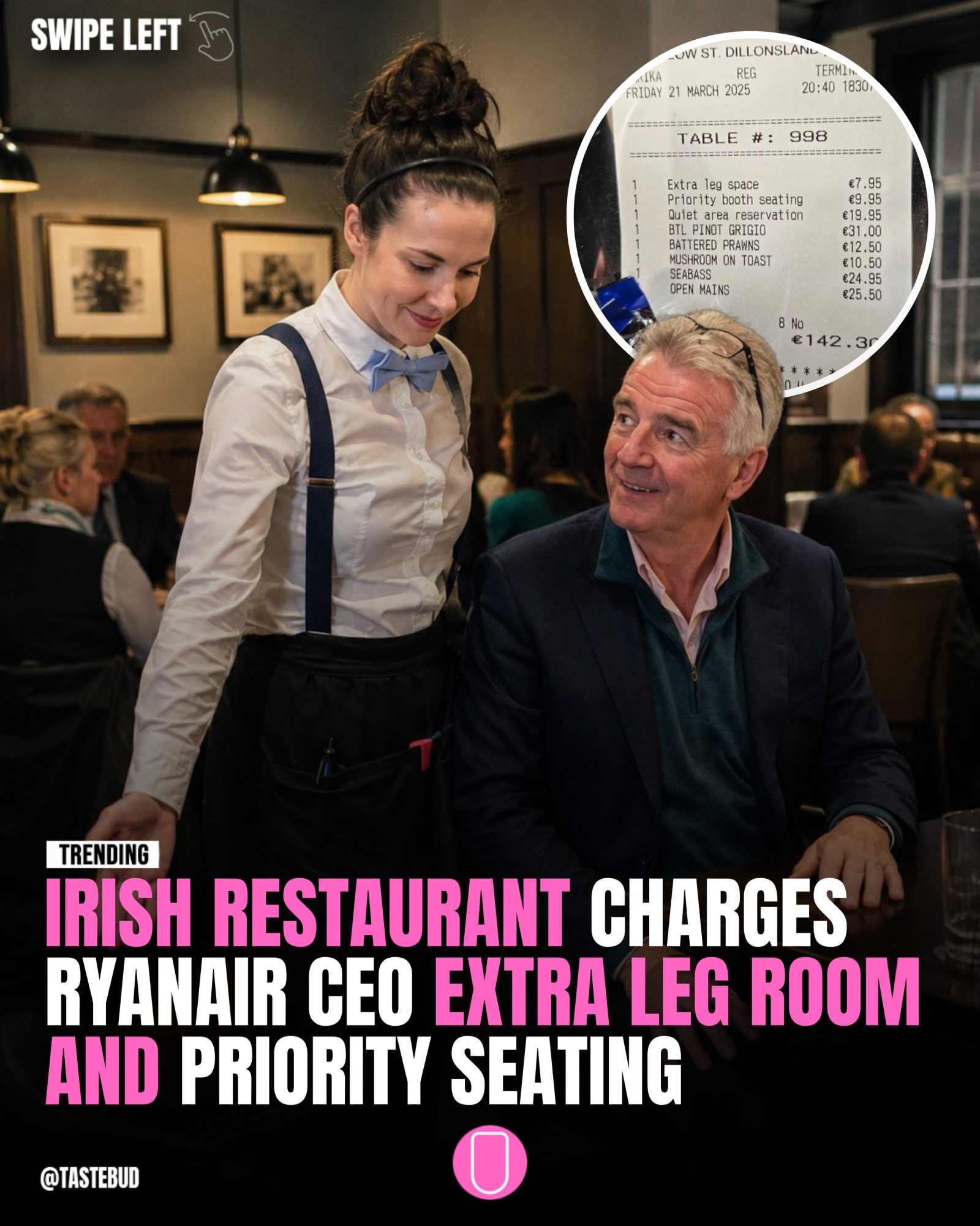
The story of Michael O’Leary, CEO of Ryanair, finding extra fees he's associated with on a restaurant bill, is a tale of irony and amusement. While dining at Luvida Restaurant in Ireland, the staff playfully added charges typically associated with the airline, such as extra leg space, priority seating, and a "quiet area" reservation. The bill also included standard food and drink items, as well as a package of Skimo mints.
Context / Why this matters
This incident highlights an interesting intersection between the airline industry and the restaurant sector. Both industries are known for their bustling environments, where additional fees are often a way to manage costs and customer experiences. However, transferring these pricing strategies from air travel to dining offers a humorous insight into how customer experiences can be manipulated and augmented in unexpected ways.
Menu Analysis: Breaking Down the Bill
Extra Leg Space
One of the most notable charges was for "extra leg space." This jumbo charge is reminiscent of Ryanair's fees for premium seating options. The irony lies in the fact that customers often pay extra for legroom in flights, an experience they don't necessarily expect while dining. The concept of charging for extra leg space in a restaurant setting, where the dining area is usually more spacious, makes for a good laugh.
Priority Booth Seating
Another charge on the bill was "priority booth seating." This is a direct comparison to Ryanair's various seating options, including priority boarding. While customers might pay extra for priority seating on a flight, paying for a premium spot in a restaurant offers a different kind of value. Diners might not see this as a priority without the context of an airline, but it showcases the versatility of pricing strategies.
Quiet Area Reservation
The charge for a "quiet area reservation" adds another surprising twist to the bill. Many restaurants offer seating in quieter areas, but it's rare to see this as a separate charge. This fee would likely be appealing to customers who want a more serene dining experience, but it's an unusual addition to a bill that usually focuses on food and beverages.
Standard Items
The bill also featured standard restaurant items, such as BTL Pinot Grigio, battered prawns, mushroom on toast, and seabass. These items are typical of a restaurant menu and were priced accordingly. The total bill came to €142.30, which includes the extra charges.
Practical Tips
For Restaurants
While the charges on O’Leary’s bill were a playful joke, there are some practical tips to take away. Restaurants can differentiate their offerings by adding value to different seating options. For example, offering a "quiet area" for customers who want a more peaceful dining experience. However, it's important to communicate these options clearly to avoid confusion or complaints.
For Customers
Customers should be aware of potential add-on fees, whether they are dining out or booking a flight. Reading the fine print and understanding what is included in the base price can help avoid unexpected costs. If a restaurant offers special seating or amenities, customers should inquire about the costs beforehand. This ensures that the dining experience meets their expectations without any surprises.
Important Takeaways
The Power of Playfulness
The amusing nature of O’Leary’s bill shows the power of playfulness in customer experiences. Adding a touch of humor can make an otherwise mundane experience memorable. For restaurants, this could mean creating unique, light-hearted charges that customers appreciate rather than resent.
The Diners' Perspective
This incident also highlights the importance of transparency in billing. Customers appreciate knowing exactly what they are paying for, and unexpected charges, even if they are a joke, can lead to confusion and dissatisfaction. Accordingly, the practical joke at O’Leary’s expense teaches us that while humor is good, transparency is better.
Conclusion
Michael O’Leary’s dining experience at Luvida Restaurant provided a fun twist on typical restaurant billing. The inclusion of airline-inspired charges added a layer of humor and irony to the bill. This incident serves as a reminder of the different ways pricing strategies can be applied across various industries. Whether you're a customer or a business owner, understanding these strategies can enhance the dining experience and avoid unexpected frustrations.
Watch the Reel
Questions readers ask
Why did the restaurant add extra leg space fees to Ryanair CEO’s bill?
Luvida Restaurant added extra leg space fees to Michael O’Leary's bill as a humorous nod to the additional charges typically found on Ryanair's airfare. This playful twist was a light-hearted way to engage with the CEO's background in the airline industry.
What other unusual charges did the restaurant include on the bill?
In addition to extra leg space fees, the restaurant included charges for priority seating and a reservation for a quiet area, mirroring the extra amenities fees often seen in air travel.
How did the restaurant incorporate the airline theme into the bill?
The restaurant incorporated the airline theme by adding specific charges that Ryanair is known for, such as extra leg room and priority boarding. This creative approach made the bill a fun and unexpected surprise for the CEO.
What was the reaction to the Ryanair CEO's unusual dining experience?
The experience was met with amusement and irony, highlighting the unique intersection between the airline and restaurant industries. Both sectors often use additional fees to manage costs and enhance customer experiences.
What was the significance of the Skimo mints in the bill?
The inclusion of Skimo mints on the bill added a whimsical touch, reinforcing the playful theme of the dining experience. It served as a small, additional item that complemented the other whimsical charges on the bill.
How did the restaurant use the bill to highlight the similarities between the airline and restaurant industries?
By adding charges for extra leg space, priority seating, and quiet areas, the restaurant showcased how both industries use additional fees to enhance customer comfort and manage operational costs. The bill offered a playful comparison between the two sectors.
Will other restaurants start adding similar fees to their bills?
It is uncertain if other restaurants will adopt similar practices, but the Luvida Restaurant experience has certainly brought attention to the creative use of additional fees in the restaurant industry. It's a unique approach that could inspire other businesses to think outside the box.
Related deep dives
Similar reads based on topic and creator.




Recent articles
Fresh deep dives from the latest Reels we unpacked.




Comments
Be the first to comment.