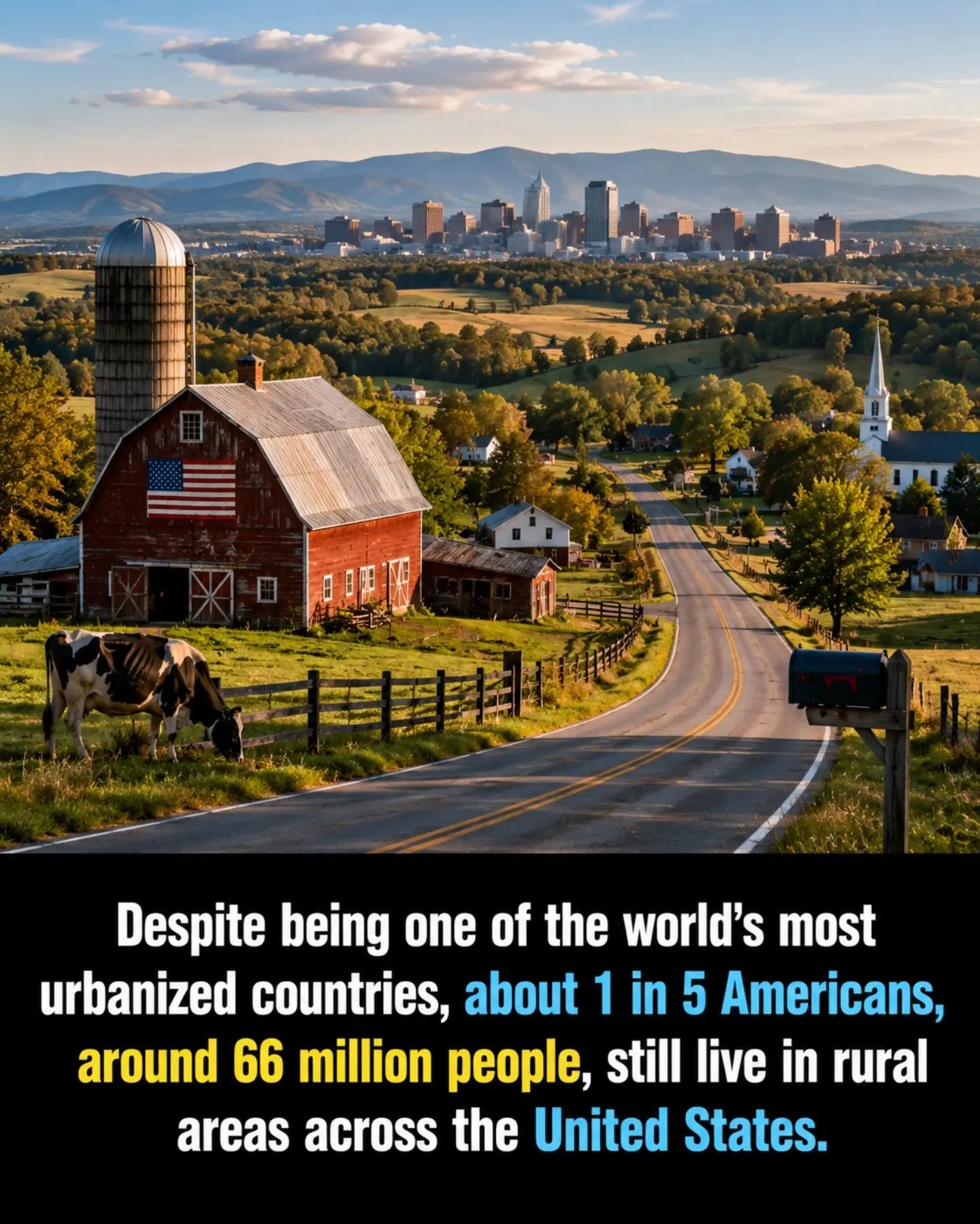
Rural America: Understanding the Population and Its Landscape
Rural America is a vast and diverse region that plays a significant role in the country's identity and economy. Despite the United States being one of the world's most urbanized countries, approximately 1 in 5 Americans, or around 66 million people, reside in rural areas. This substantial population merits a deeper understanding of its demographic, economic, and social aspects.
Context: Why Rural America Matters
Rural America encompasses a wide array of landscapes, from sprawling farmlands to quaint small towns. These areas are vital for agriculture, natural resource management, and cultural heritage. Understanding the population distribution and characteristics of rural America is crucial for policating effective policies in areas such as healthcare, education, and infrastructure.
The Demographics of Rural America
Population Distribution
About 1 in 5 Americans live in rural areas, which translates to around 66 million people. This significant population is spread across various states, with some areas being more densely populated than others. For example, states like Texas and California have large rural populations due to their expansive territories, while smaller states like Vermont and Wyoming also have a substantial rural presence.
Age and Diversity
Rural America is known for its aging population. According to the U.S. Census Bureau, the median age in rural areas is higher than in urban areas. This demographic shift has implications for healthcare services, retirement planning, and workforce dynamics. Additionally, rural areas are home to diverse communities, including Native American reservations, Hispanic communities, and African American populations, each with unique cultural and socioeconomic needs.
The Economy of Rural America
Agriculture and Natural Resources
Agriculture is a cornerstone of the rural economy. Farming, ranching, and related industries contribute significantly to the GDP and provide employment opportunities. Natural resources, such as timber, minerals, and fossil fuels, also play a crucial role in the economic landscape of rural America. These industries not only support local economies but also contribute to national and global markets.
Industry and Technology
While agriculture remains a key sector, rural America is also witnessing growth in manufacturing, technology, and tourism. Small and medium-sized enterprises (SMEs) are crucial for job creation and economic diversity. The rise of technology has brought broadband internet to many rural areas, fostering entrepreneurship and remote work opportunities.
Rural Healthcare and Education
Access to Healthcare
Access to healthcare is a significant challenge in rural areas. The shortage of healthcare providers, limited medical facilities, and the distance to specialized care can impact the quality of life for rural residents. Initiatives aimed at expanding telemedicine, recruiting healthcare professionals, and improving infrastructure are critical for overcoming these challenges.
Educational Opportunities
Education in rural areas often faces unique hurdles, such as limited funding, fewer resources, and lower student-teacher ratios. However, rural schools are increasingly adopting innovative approaches, such as distance learning and community partnerships, to enhance educational opportunities. Efforts to improve internet connectivity and provide access to advanced educational resources are also underway.
Practical Tips for Engaging with Rural America
Supporting Local Economies
Visiting and supporting local businesses in rural areas can significantly impact the local economy. Whether it's dining at a family-owned restaurant, shopping at a local market, or staying at a bed and breakfast, your patronage can help sustain these communities.
Volunteering and Community Involvement
Engaging in volunteer work or community service projects is an excellent way to contribute to rural areas. Many rural communities have non-profits and organizations that rely on volunteers to carry out their missions. Your time and skills can make a meaningful difference.
Advocating for Policy Changes
Advocating for policies that support rural communities can lead to significant improvements. This includes pushing for better healthcare access, educational resources, and infrastructure development. Engaging with local leaders and participating in community discussions can help shape policies that benefit rural residents.
Promoting Tourism
Tourism is a growing sector in many rural areas. By promoting the unique attractions and cultural heritage of these regions, you can encourage more visitors and boost local economies. Whether it's through social media, travel blogs, or word-of-mouth, sharing your experiences can attract more tourists to these enchanting landscapes.
Important Takeaways
- Rural America is home to a significant portion of the U.S. population, with approximately 66 million people living in these areas.
- The rural economy is diverse, encompassing agriculture, natural resources, manufacturing, and technology.
- Healthcare and education present unique challenges and opportunities in rural areas.
- Supporting local economies, volunteering, advocating for policy changes, and promoting tourism can all contribute to the well-being of rural communities.
Conclusion
Rural America is a vital and dynamic part of the country, with a rich cultural heritage and significant economic contributions. Understanding the demographics, economy, and challenges faced by rural residents is essential for fostering growth and development in these areas. Whether through direct engagement, advocacy, or tourism, there are numerous ways to support and appreciate the unique qualities of rural America.
Watch the Reel
Questions readers ask
What is considered rural America and how many people live there?
Rural America includes a range of landscapes, from expansive farmlands to small towns. It is home to approximately 66 million people, making up about one-fifth of the total U.S. population.
How does the rural population vary by state?
The rural population density varies significantly by state. Some states have dense rural populations, while others have unique, sparsely populated communities. This variation influences the economic and social dynamics of each state.
Why is rural America important for the U.S.?
Rural America is vital for several reasons, including agriculture, natural resource management, and cultural heritage. Its vast landscapes and diverse communities play a significant role in shaping the nation's identity and economy.
What are some of the unique rural communities in the U.S.?
The United States is home to a variety of unique rural communities, from Amish settlements in Pennsylvania to Native American reservations in the Southwest, each offering distinct cultural and historical perspectives.
How does the rural population compare to the urban population in the U.S.?
The rural population in the U.S. is about 66 million, which is roughly one-fifth of the total population. This means the urban population is about four times larger, with around 264 million people living in urban areas.
What are some key facts about rural America's landscapes?
Rural America's landscapes are incredibly diverse, ranging from vast farmlands and forests to deserts and mountains. These landscapes are crucial for various industries, such as agriculture and tourism, and contribute to the nation's natural beauty and resources.
Where can I find a rural America map and population statistics?
Maps and population statistics for rural America can be found through various government agencies, such as the U.S. Census Bureau. These resources provide detailed information about population distribution, demographic characteristics, and geographic features of rural areas.
Related deep dives
Similar reads based on topic and creator.




Recent articles
Fresh deep dives from the latest Reels we unpacked.




Comments
Be the first to comment.