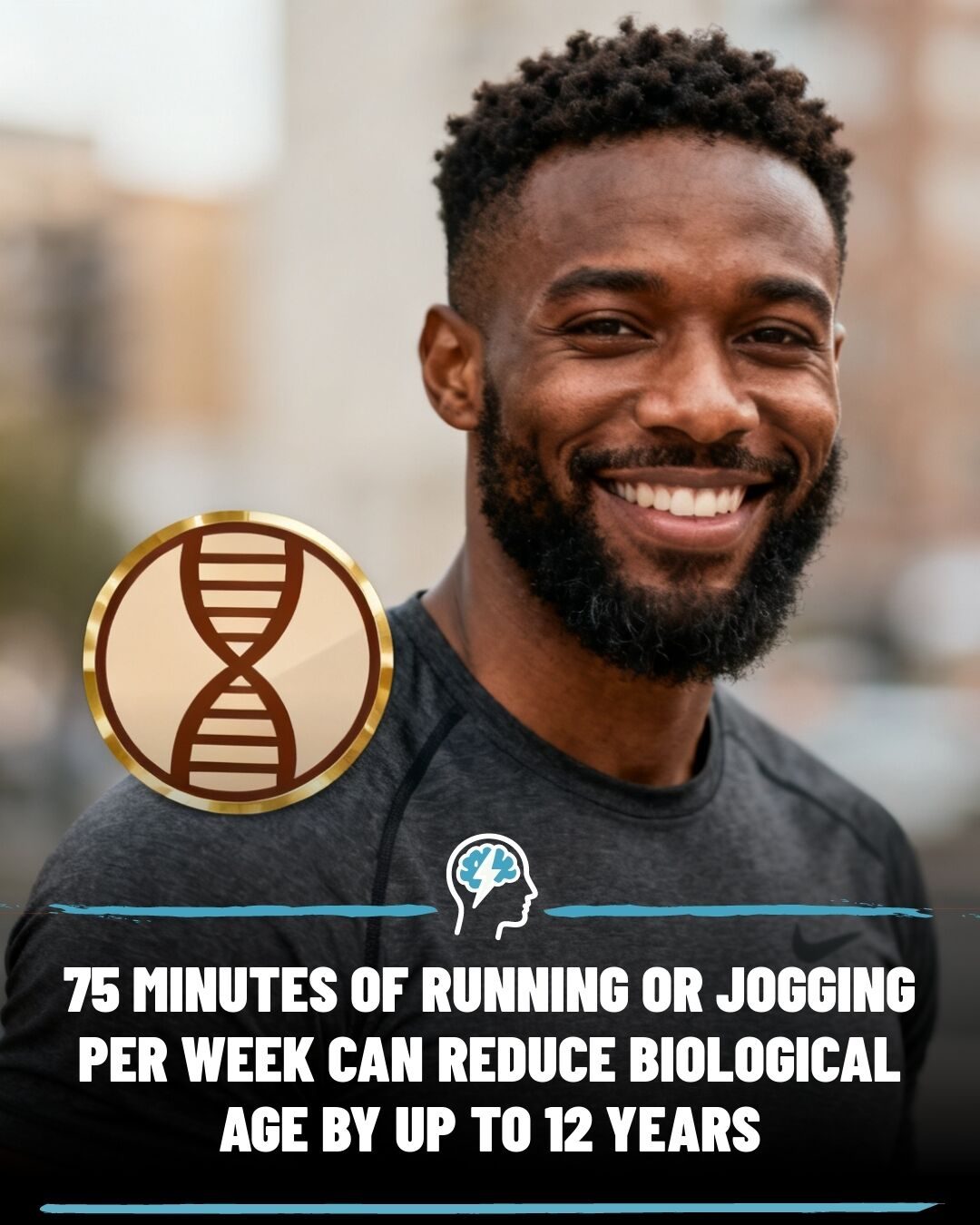
Running and Biological Age
The idea that running might reverse or slow down the aging process is intriguing. Recent findings have revealed that regular running or jogging can have a significant impact on an individual's biological age. This is not about feeling young or looking youthful; it's about actual cellular changes that can make you biologically younger.
Context / Why this matters
Before diving into the specifics, it's important to understand what biological age means. While chronological age is simply the number of years you've lived, biological age refers to how old your body appears to be based on various biological markers. These markers can include DNA health, organ function, and cellular aging. The exciting part is that biological age can be influenced by lifestyle choices, and running is emerging as a key player in this arena.
Main discussion
The Study and Its Findings
The study analyzed over 4,400 adults and found that those who ran or jogged for at least 75 minutes per week had a biological age that was approximately 12 years younger than those who didn't run at all. This translates to about 11 minutes of running or jogging per day. The findings highlight that consistent, moderate exercise can significantly impact cellular aging.
The Role of Telomeres
One of the key mechanisms through which running affects biological age is its impact on telomeres. Telomeres are the protective caps at the ends of your chromosomes, often compared to the plastic tips on shoelaces. As we age, these telomeres naturally shorten, which can lead to cellular aging and various age-related diseases. Regular aerobic exercise, such as running, appears to slow down this shortening process.
The Hormonal and Cellular Benefits
Running triggers the production of irisin, a hormone directly linked to telomere preservation. This hormone helps in maintaining the length of telomeres, thereby slowing down the aging process. Additionally, running enhances your body's antioxidant defense systems, which help protect cells from damage caused by free radicals. It also activates genes that aid in repairing DNA damage, further contributing to cellular health.
The Importance of Consistency
The study suggests that there may be a minimum threshold for these cellular benefits. Participants who ran less than 75 minutes per week did not show the same benefits, indicating that consistency is key. The more regular your running habit, the stronger these protective effects seem to be.
Individual Variations
While the study provides compelling evidence, it's important to note that results can vary significantly between individuals. Factors such as genetics, overall lifestyle, and other health conditions can influence how much impact running has on biological age. Therefore, while running can be a powerful tool, it is not a one-size-fits-all solution.
Practical tips
Starting Out
If you're new to running, start with small, manageable goals. Aim for 11 minutes of jogging or running per day and gradually increase your duration and intensity over time. This approach can help you build a consistent habit without overwhelming your body.
Incorporating Running into Your Routine
To make running a sustainable part of your life, find ways to integrate it into your daily routine. You could wake up a few minutes earlier to fit in a short run or use your lunch break for a quick jog. Consistency is more important than the intensity of your workouts, especially when it comes to cellular aging benefits.
Listening to Your Body
Pay attention to your body's signals. If you feel excessively tired or experience pain, take a break or reduce the intensity of your runs. Overdoing it can lead to injury and may negate the benefits of running. Aim for a balanced approach that allows your body to recover and adapt.
Balancing with Other Lifestyle Factors
While running can have a significant impact on your biological age, it's just one piece of a larger puzzle. Ensure you also prioritize sleep, good nutrition, stress management, and social connections. A holistic approach to health will yield the best results.
Important takeaways
The research highlights that regular running can significantly impact biological aging by preserving telomere length and enhancing cellular health. The key takeaways are:
- Consistency Matters: Aim for at least 75 minutes of running or jogging per week to see notable benefits.
- Individual Variations Exist: Results can vary based on genetics and lifestyle, so it's important to track your progress and adjust as needed.
- Holistic Approach: Combine running with other healthy habits for optimal results.
Conclusion
The idea that running can turn back your biological clock is both fascinating and encouraging. By committing to regular jogging or running, you can positively influence your cellular health and potentially add years to your life. Start small, stay consistent, and enjoy the journey towards a younger, healthier you.
Watch the Reel
Questions readers ask
How does running affect biological age, according to recent studies?
Recent studies indicate that running can significantly reduce biological age. By engaging in regular running, particularly for 75 minutes weekly, individuals can experience cellular changes that make them biologically younger, up to 12 years younger, than their chronological age.
What is the significance of telomeres in the context of running and aging?
Telomeres are protective caps at the end of chromosomes that play a crucial role in cellular aging. Regular running can positively impact telomere length, which is associated with slowing down the biological aging process and potentially reversing it.
What is the recommended weekly running routine to impact biological age?
To see notable benefits on biological age, aim to run or jog for a total of 75 minutes per week. This routine has been linked to significant changes in cellular aging, particularly in telomere length, contributing to a younger biological age.
Can running make a person look or feel younger, or is it solely about biological markers?
The primary benefits of running on biological age are related to cellular changes and biological markers, not necessarily about how a person looks or feels. While running might improve overall health and appearance, the most significant changes are at a cellular level, impacting biological age.
How does running 75 minutes weekly compare to other forms of exercise in reversing biological aging?
While other forms of exercise can also contribute to overall health, running for 75 minutes weekly has been specifically linked to significant reductions in biological age. This is due to the unique impact of running on cellular aging and telomere length.
What are some key biological markers that indicate a reduction in biological age through running?
Key biological markers that indicate a reduction in biological age through running include improved DNA health, enhanced organ function, and longer telomere length. These markers collectively contribute to a younger biological age, even if the chronological age remains the same.
What makes running a beneficial exercise for those interested in slowing down the aging process?
Running is beneficial for slowing down the aging process due to its impact on cellular health, particularly on telomeres. Regular running can lead to longer telomeres, which are associated with a slower rate of biological aging and overall improved health outcomes.
Related deep dives
Similar reads based on topic and creator.



Recent articles
Fresh deep dives from the latest Reels we unpacked.




Comments
Be the first to comment.