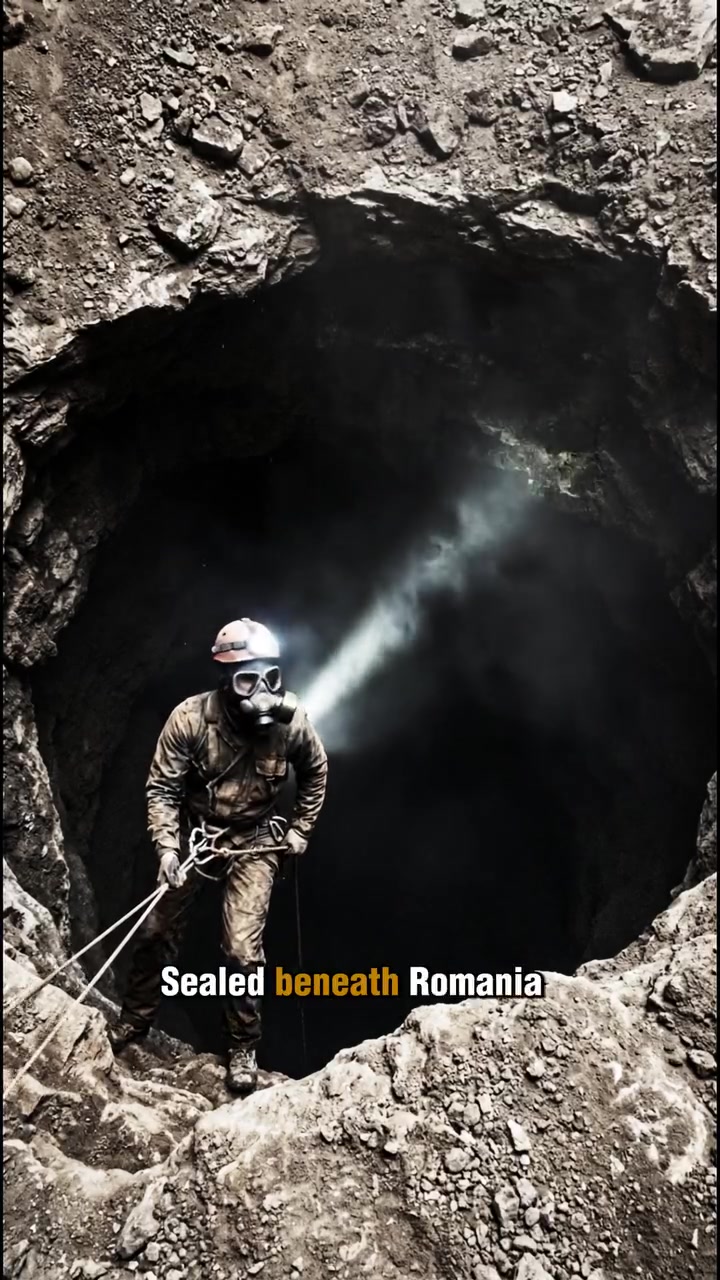
Beneath Romania, a World Cut Off
Romania possesses a unique and potentially deadly natural wonder: a cave filled with toxic gases. Scientists stumbled upon this extreme environment in 1986. Scientists were drilling for a power plant. They found it by accident. It's very toxic. In addition, it is completely dark. No plants or sunlight. But, something improbable thrived within. Locally, the toxic cave stayed unknown to the world. That is, for over five million years.
Why This Toxic Cave Matters in a Post-Mars World
The cave's extreme conditions mimic those found on other planets. NASA is interested in this site. With no sunlight, no plants. And, the cave is crawling with life. They live on bacteria. NASA considers it a close analogue to life on Mars or other planets. The cave's ecosystem is unique. Hundreds of lifeforms have been found there. None of these species exist anywhere else. Most life on Earth depends on sunlight. So, these extraterrestrial-like life forms do not depend on it. Scientists call it a chemoautotrophic ecosystem, where life is nourished by chemical energy rather than the sun. They are blind, colorless spiders, scorpions, and leeches. These species live off bacteria. They breathe in the cave atmosphere, which is toxic to humans. The cave is alive. Even from a ponds containing bacteria.
The Lurking Poison
An Underground Atmosphere Unlike Any Other
Air inside the cave consists of gases no human can inhale. These include carbon dioxide, hydrogen sulfide, and methane. Together, they make the air too toxic for humans.
The Grandest Adventure Underground
Scientists were in Romania in 1986. They were making a power plant. This cave should not be able to sustain any form of life. Yet, scientists found something impossible. Life had survived in total darkness for millions of years.
The Species Found
The cave brought many species of animals. It had spiders and scorpions. These animals were blind and colorless.
NASA's Alien Landscape
The cave's atmosphere is toxic to humans. Yet, it supports a thriving ecosystem of unique species. NASA is fascinated by this.
An Exclusive Club of Explorers
So, access to the cave is extremely restricted. The cave's harsh conditions require full-body protective gear. This gear is for people to be able to enter. These conditions also restrict the number of people who can handle it.
Visit Like a Scientist
The toxic cave in Romania is not a place to visit. But, those who make it their mission include geologists, biologists, and microbiologists. These scientists assist in the 30 Days in the Wild research project. The research is in the cave every month. Scientists who visit this cave spend time performing tasks such as:
- Safety Inspection:
- Checking for parasites
- Checking for bacteria
- Monitoring visitor health
- Data Logging: Recording observations
- Taking photos
- Recording audio
- Taking samples
Too Everyday, yet Exceptional
The toxic cave in Romania is a natural version of other alien-like worlds. It holds dots of life. It holds dots of air that could kill. And, its atmosphere provides NASA with a proxy for life beyond Earth.
Watch the Reel
Questions readers ask
What kind of toxic gases are found in the cave in Romania?
The cave is filled with a mix of carbon dioxide, hydrogen sulfide, and methane, which are all toxic to humans. These gases make the air inside the cave deadly to inhale, but strangely, they don’t bother the unique life forms that have adapted to this environment. The gases are part of what makes this cave so fascinating to scientists and NASA.
How do the creatures in the cave survive without sunlight?
The creatures in the cave, like the blind spiders, scorpions, and leeches, have adapted to a chemoautotrophic ecosystem. This means they rely on chemical energy from bacteria rather than sunlight. It’s a unique survival strategy that allows them to thrive in an environment that would be deadly to most other forms of life.
How did the cave stay unknown for so long?
The cave remained unknown for millions of years because it's located 1,500 meters beneath the surface. The cave was discovered by scientists in 1986 while they were drilling for a power plant. Its remote location and harsh conditions have kept it largely hidden from the world. Only a few scientists and researchers have had the opportunity to explore it.
What kind of protective gear do scientists need to explore the cave?
Scientists exploring the cave need full-body protective gear due to the toxic atmosphere. This gear helps them safely enter and conduct research in an environment that is otherwise inhaleable for humans. The equipment also allows them to handle the harsh conditions and complete their tasks, such as data logging and safety inspections.
Can anyone visit the toxic cave in Romania?
No, the toxic cave is not open for public visits. Access is extremely restricted due to its dangerous conditions. Only a select group of scientists, including geologists, biologists, and microbiologists, are allowed to enter. They participate in research projects like the 30 Days in the Wild program, which involves tasks such as safety inspections, data logging, and sample collection.
Related deep dives
Similar reads based on topic and creator.

Recent articles
Fresh deep dives from the latest Reels we unpacked.


Comments
Be the first to comment.