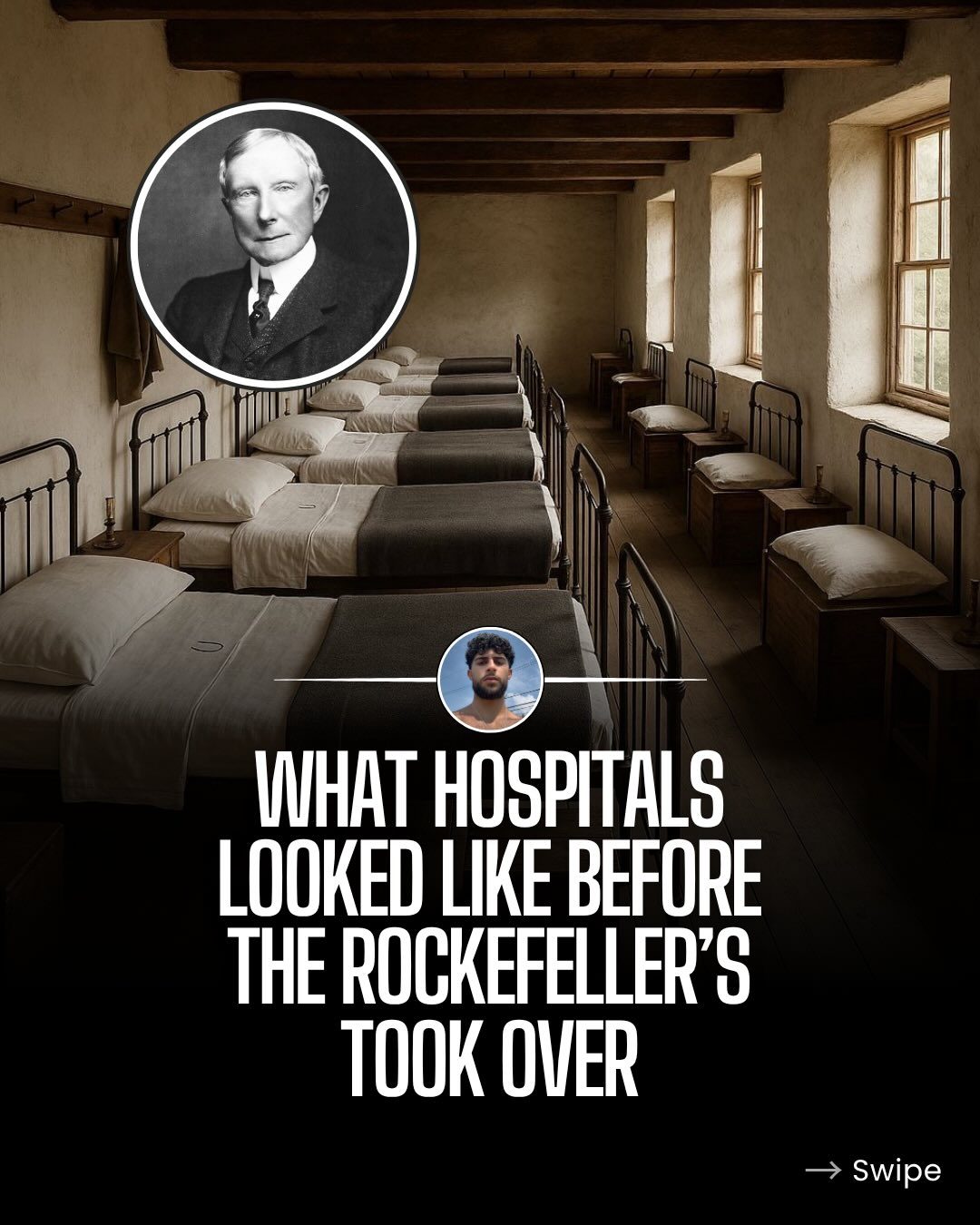
Hospital Evolution: The Rockefeller Influence
Hospital evolution has witnessed significant changes over the years, with the Rockefeller family playing a pivotal role. The shift in hospital management from a focus on patient care to a profit-driven model is a notable development in this history.
Context: The Rockefeller Family and Hospitals
The Rockefeller family, particularly John D. Rockefeller, has had a profound impact on various sectors, including healthcare. Their involvement in philanthropy has left a lasting legacy, transforming the landscape of hospitals and the way they operate. The transition from a service-oriented approach to a more commercial model started around the 20th century. While Rockefeller's philanthropic efforts aimed to improve healthcare access and quality, the evolution of hospitals also introduced new challenges.
Hospital Management: From Care to Profit
The historical image of a hospital ward with rows of beds contrasts sharply with modern hospital standards. Before Rockefeller’s influence, hospitals were often characterized by their bare, utilitarian settings, focused on basic care and treatment. The shift began when hospitals started thinking about how to profit from their services rather than just how to help patients. This change brought about a shift in the priorities of hospital management, leading to more modern and efficient practices.
Historical Hospital Conditions
Historical hospital conditions were stark and often grim. Wards were filled with rows of beds, and the focus was primarily on basic medical care. Hospitals were places where people went to receive treatment for illness and injury, often with limited resources and rudimentary medical knowledge. The conditions were far from ideal, and patient care was not the top priority. The emphasis was on providing essential services rather than on creating a comfortable or therapeutic environment.
Modern Hospital Standards
Modern hospital standards have evolved significantly. Today's hospitals are equipped with advanced medical technology, specialized departments, and a focus on patient comfort and well-being. The transformation includes not just physical improvements but also changes in the way hospitals are managed and operated. Hospitals now prioritize efficiency, profitability, and patient satisfaction, reflecting a shift in mindset from care to profit.
Impact of Rockefeller’s Philanthropy
John D. Rockefeller's philanthropy played a significant role in the transformation of hospitals. His foundation contributed to the development of medical research, the establishment of hospitals, and the advancement of healthcare education. Rockefeller's efforts led to improvements in hospital infrastructure, medical training, and public health initiatives. His impact on healthcare is evident in the modernization of hospitals and the adoption of more scientific and evidence-based practices.
Sun Deck Transformation: A Shift in Architecture
The evolution of hospital architecture is another aspect of this transformation. The transition from open sun decks to enclosed rooms reflects changing lifestyle preferences and architectural design trends. This shift highlights the broader changes in society and the way people think about health and well-being.
Evolution of Architectural Design
Architectural design has evolved to accommodate new standards of health and well-being. The move from sun decks to enclosed rooms is a significant example of this evolution. Open sun decks were once a common feature in hospitals, offering patients a place to rest and recuperate in the fresh air. However, as medical knowledge and practices advanced, the need for enclosed, sterile environments became more apparent. This shift in design reflects a broader change in how societies view health and the role of hospitals.
Historical Remedies: Honey and Herbal Elixirs
The shift in healthcare practices is not limited to hospitals and architecture. The transition from natural remedies to modern medical treatments is another notable change. Honey, for instance, was used as a remedy in the past, while modern practices have shifted to the overuse of antibiotics.
Historical Use of Honey
Honey has been used as a natural remedy for centuries. Its antimicrobial properties made it a valuable tool in treating wounds, infections, and other ailments. Historical texts and artifacts show that honey was a common remedy in many cultures, valued for its healing properties. The 1852 Brand Clover, for example, was a popular choice for its purity and quality.
Modern Antibiotic Overuse
The advent of antibiotics in the 20th century revolutionized medicine, offering a powerful tool to combat bacterial infections. However, the overuse of antibiotics has led to the development of antibiotic-resistant bacteria, posing a significant health threat. This overuse is a result of the shift from natural remedies to modern medical treatments, highlighting the complexities of healthcare evolution.
Herbal Remedies vs. Sugary Shakes
The discussion on healthcare evolution extends to the changes in medicinal products. The contrast between herbal remedies and modern sugary drinks is a prime example of this transformation.
Historical Use of Herbal Elixirs
Herbal remedies have been used for centuries to treat various ailments. Ransom's Syrup Compound, for instance, was a popular herbal remedy in the past, valued for its natural ingredients and healing properties. These remedies were often brewed from plants and herbs, offering a natural alternative to modern medicine.
Modern Sugary Drinks
The shift from herbal remedies to sugary drinks is a noticeable change in healthcare practices. Modern sugary drinks, while not intended as medicinal products, have become a common part of many people's diets. This shift reflects the broader changes in society and the way people view health and wellness.
Practical Tips
Today, hospitals and healthcare providers can benefit from understanding the historical context of their evolution. By looking back at the changes that have occurred, they can gain valuable insights into how to improve patient care and management practices.
Balancing Care and Profit
Balancing care and profit is a critical aspect of modern hospital management. While hospitals need to be profitable to sustain operations, they must not lose sight of their primary mission: to provide quality healthcare to patients. This balance requires a thoughtful approach to management and decision-making, ensuring that patient care remains the top priority.
Incorporating Natural Remedies
Incorporating natural remedies into modern healthcare practices can offer a valuable alternative to traditional treatments. Many natural remedies have been used for centuries and have proven effectiveness in treating various ailments. Integrating these remedies into modern healthcare practices can provide a more holistic approach to patient care.
Designing for Well-Being
Designing hospital spaces for well-being is another practical tip. The shift from sun decks to enclosed rooms highlights the importance of considering patient comfort and well-being in architectural design. Modern hospitals can benefit from incorporating design elements that promote healing and recovery, such as natural light, green spaces, and comfortable living areas.
Important Takeaways
The evolution of hospitals, from historical hospital conditions to modern practices, reflects significant changes in healthcare. The Rockefeller family's influence, the shift from natural remedies to modern treatments, and the transformation of hospital architecture are all critical aspects of this evolution.
Understanding this historical context can provide valuable insights into how to improve patient care and management practices in modern hospitals. By looking back at the changes that have occurred, healthcare providers can gain a deeper appreciation for the complexities of healthcare and the importance of balancing care and profit.
Conclusion
Healthcare has undergone significant changes over the years, driven by advancements in medical knowledge, technology, and societal preferences. From the Rockefeller family's influence on hospital management to the shift from natural remedies to modern treatments, these changes reflect a broader evolution in healthcare practices.
By understanding this history, healthcare providers can gain valuable insights into how to improve patient care and management practices. Balancing care and profit, incorporating natural remedies, and designing for well-being are all practical steps that can help modern hospitals provide better healthcare to their patients.
Watch the Reel
Questions readers ask
How did John D. Rockefeller's influence shift hospital management practices?
John D. Rockefeller's influence marked a significant change in hospital management. Initially, hospitals were primarily focused on patient care. However, under Rockefeller's influence, hospitals began to adopt more business-oriented practices, shifting towards a profit-driven model. This transition involved implementing more efficient administrative structures and financial management strategies to ensure sustainability and growth.
What role did the Rockefeller family's philanthropy play in hospital evolution?
The Rockefeller family's philanthropic efforts significantly improved healthcare accessibility and quality. They funded numerous hospitals and medical research initiatives, which led to better facilities, advanced medical treatments, and increased availability of healthcare services for the public. This generosity helped elevate the standards of hospital care across the United States.
How did hospital care models change before and after Rockefeller's involvement?
Before Rockefeller's influence, hospitals were largely run with a focus on providing care to those in need, often relying on charitable donations. After his involvement, hospitals began to operate more like businesses, aiming for financial stability and growth. This shift led to the development of modern hospital management practices, including strategic planning, cost management, and marketing to attract patients.
What were some of the key improvements in hospital standards due to Rockefeller's influence?
Rockefeller's influence led to several key improvements in hospital standards. These included enhanced medical technologies, better-trained medical staff, and more efficient organizational structures. Additionally, his contributions helped establish stricter healthcare regulations and quality control measures, ensuring that hospitals provided reliable and high-quality care to patients.
How did Rockefeller's philanthropy impact the accessibility of healthcare services?
Rockefeller's philanthropy played a crucial role in making healthcare services more accessible to the public. By funding the construction and improvement of hospitals, he ensured that medical care was available to a broader range of people, including those from low-income backgrounds. This initiative helped bridge the gap in healthcare disparities and provided essential medical services to communities that previously lacked adequate access.
What was the historical significance of the transition from care-focused to profit-driven hospitals?
The transition from care-focused to profit-driven hospitals marked a historical shift in the healthcare industry. This change allowed hospitals to become more self-sufficient, invest in advanced medical technologies, and expand their services. However, it also raised concerns about the potential conflict between financial goals and the primary mission of patient care, which continues to be a topic of debate in modern healthcare management.
What is the Rockefeller healthcare legacy in modern hospital management?
The Rockefeller healthcare legacy is evident in the modern management practices of hospitals today. Elements such as strategic planning, cost control, and the integration of business principles into healthcare operations can be traced back to the influence of John D. Rockefeller. Additionally, the emphasis on quality improvement and regulatory compliance in hospitals is a testament to the enduring impact of Rockefeller's involvement in healthcare.
Related deep dives
Similar reads based on topic and creator.



Recent articles
Fresh deep dives from the latest Reels we unpacked.




Comments
Be the first to comment.