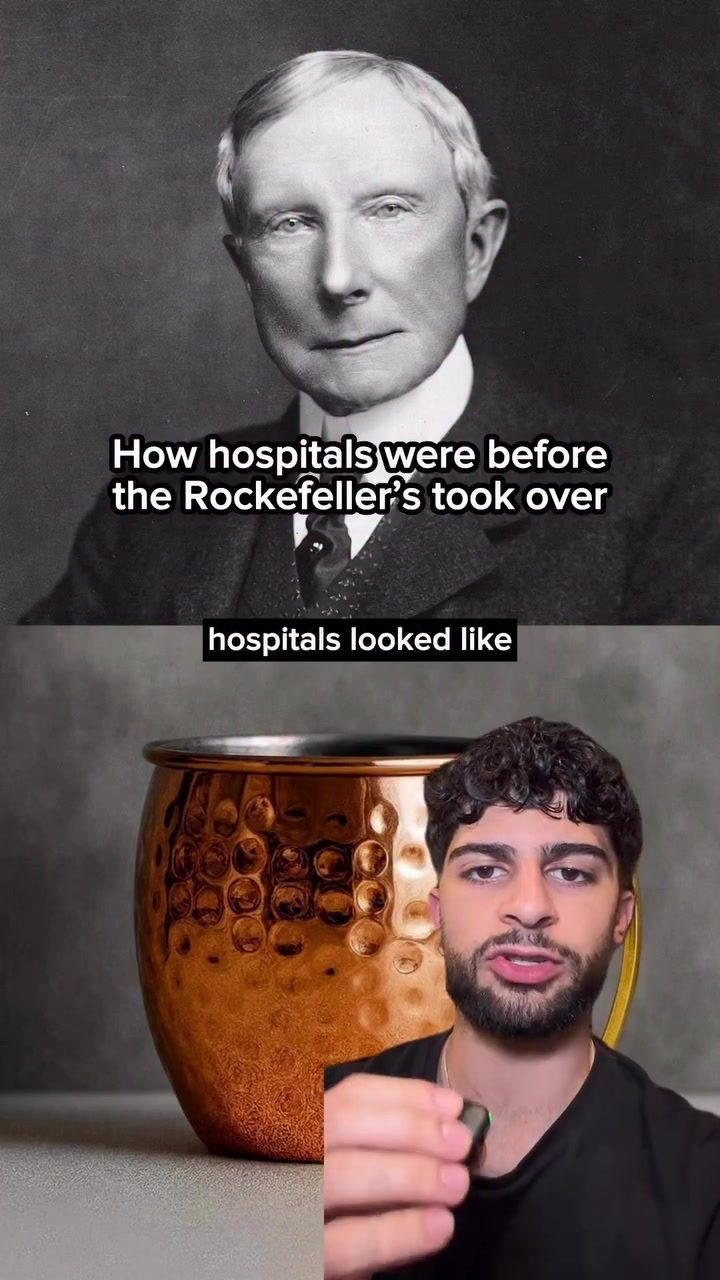
The Evolution of Hospital Design and Practices
The shift in hospital design and practices, particularly since the involvement of the Rockefeller family, has been significant. This transformation has led to changes in various aspects of healthcare, from the materials used in hospital supplies to the types of treatments offered. Understanding these changes provides insight into the evolution of modern healthcare facilities.
Context / Why this Matters
The Rockefeller family's influence on healthcare marked a pivotal moment in the history of hospitals. Before their involvement, hospitals were designed with a focus on natural healing and comfort. However, after the Rockefellers took over, the emphasis shifted towards profitability, leading to structural and operational changes that have shaped modern healthcare as we know it.
Main Discussion
The Transition in Hospital Design
One of the most noticeable changes in hospital design is the shift from natural materials to synthetic ones. Before the Rockefellers took over, hospitals commonly used linen sheets, which were more breathable and comfortable for patients. However, these have largely been replaced by polyester sheets, which are more durable and easier to maintain. This change reflects the shift towards practicality and cost-effectiveness in hospital management.
Changes in Hospital Layout and Environment
Historically, hospitals featured sun decks that allowed patients to benefit from natural light and fresh air. Over time, these open spaces have been replaced by closed-off rooms, which are more conducive to controlled environments. While this change enhances infection control, it also means patients spend less time in natural settings, which can impact their mental health and overall recovery.
Light therapy, once a common practice, has been largely replaced by fluorescent blue lighting. This shift has occurred despite the known benefits of natural light in promoting healing and well-being. Modern fluorescent lighting, while practical, lacks the therapeutic effects of natural light and can contribute to a less soothing environment for patients.
Materials and Equipment
Hospital cups have evolved from copper to plastic. Copper, though more hygienic and durable, has been replaced by plastic due to its lower cost and ease of disposal. Similarly, herbal teas, which were once a common remedy, have given way to sugary shakes. While herbal teas offer natural health benefits, sugary shakes are often preferred for their flavor and shelf life, despite their limited nutritional value.
Treatments and Remedies
The use of honey as a healing agent has been largely replaced by modern medical treatments. Honey has natural antibacterial and anti-inflammatory properties, making it a valuable remedy in historical times. However, the shift towards synthetic medicines has led to a decline in the use of natural remedies like honey in modern healthcare settings.
Practical Tips
For those interested in understanding the evolution of healthcare, it can be helpful to visit historical hospitals or museums that showcase the changes over time. Engaging with literature and documentaries on the history of healthcare can also provide valuable insights. Additionally, exploring natural healing methods, like herbal teas and honey, can offer a glimpse into the practices of the past and their potential benefits in complementary treatments.
Important Takeaways
The evolution of hospital design and practices since the Rockefeller family's involvement has led to significant changes in healthcare. From the shift towards synthetic materials to the adoption of controlled environments, these changes reflect a focus on practicality and profitability. However, it's important to recognize the benefits of historical practices, such as the use of natural materials and remedies, which can still offer value in modern healthcare settings.
Conclusion
The impact of the Rockefeller family on healthcare has been profound, leading to a transformation in hospital design and practices. While these changes have enhanced efficiency and profitability, they have also led to a departure from natural and holistic healing methods. By understanding these changes, we can appreciate the evolution of modern healthcare and consider ways to integrate beneficial historical practices into contemporary settings.
Watch the Reel
Questions readers ask
Who were the Rockefeller family and how did their involvement affect hospital design?
The Rockefeller family, a prominent American industrial and political dynasty, significantly influenced hospital design by shifting the focus towards practicality and profitability. Before their involvement, hospital design emphasized natural healing and patient comfort. The Rockefellers introduced changes in materials, layout, and operational practices to enhance efficiency and cost-effectiveness, which are evident in modern healthcare facilities.
What were some of the key changes in historic hospital practices due to the Rockefellers' influence?
The Rockefeller family's involvement led to several key changes in historic hospital practices. These included a shift from natural healing environments to more clinical, efficient settings. There was a greater emphasis on standardized treatments and the use of modern materials. Additionally, the layout of hospitals was redesigned to improve flow and operational efficiency, moving away from the more serene and comforting designs of the past.
How did the Rockefeller family's influence impact the treatment methods in hospitals?
The Rockefeller family promoted a shift in treatment methods from holistic and natural approaches to more clinically based and standardized practices. This transition prioritized evidence-based medicine and medical technology, which are now central elements of modern healthcare. The focus on profitability encouraged the adoption of treatments that were cost-effective and efficient.
What role did the Rockefellers play in the evolution of hospital materials and layout?
The Rockefellers played a significant role in the evolution of hospital materials and layout. They introduced more durable and cost-effective materials, replacing traditional, often more expensive, options. The layout of hospitals was redesigned to be more efficient, with a focus on streamlined workflows and better use of space, enhancing both operational efficiency and patient care.
How did the Rockefeller family's focus on profitability change the hospital environment?
The Rockefeller family’s emphasis on profitability led to a more streamlined and efficient hospital environment. This included the use of materials that were practical and cost-effective, as well as changes in hospital layout to improve workflow. The overall shift prioritized operational efficiency over the natural healing aspects, significantly altering the atmosphere of hospitals.
Why is the Rockefeller family's impact on hospital design still relevant today?
The Rockefeller family's impact on hospital design is still relevant today because it laid the foundation for many modern healthcare practices. The principles of efficiency, profitability, and practicality they introduced continue to shape hospital design and operational strategies. Understanding this historical context helps in appreciating the evolution of healthcare environments.
How did the Rockefeller family's influence affect the historical hospital materials and comfort elements?
Before the Rockefellers, hospitals prioritized natural materials and comfort elements to support natural healing. The Rockefellers introduced more durable, cost-effective materials, replacing traditional, often more expensive options. This shift reduced the focus on comfort in favor of practical and efficient hospital environments, which is evident in the modern hospital layouts.
Related deep dives
Similar reads based on topic and creator.



Recent articles
Fresh deep dives from the latest Reels we unpacked.




Comments
Be the first to comment.