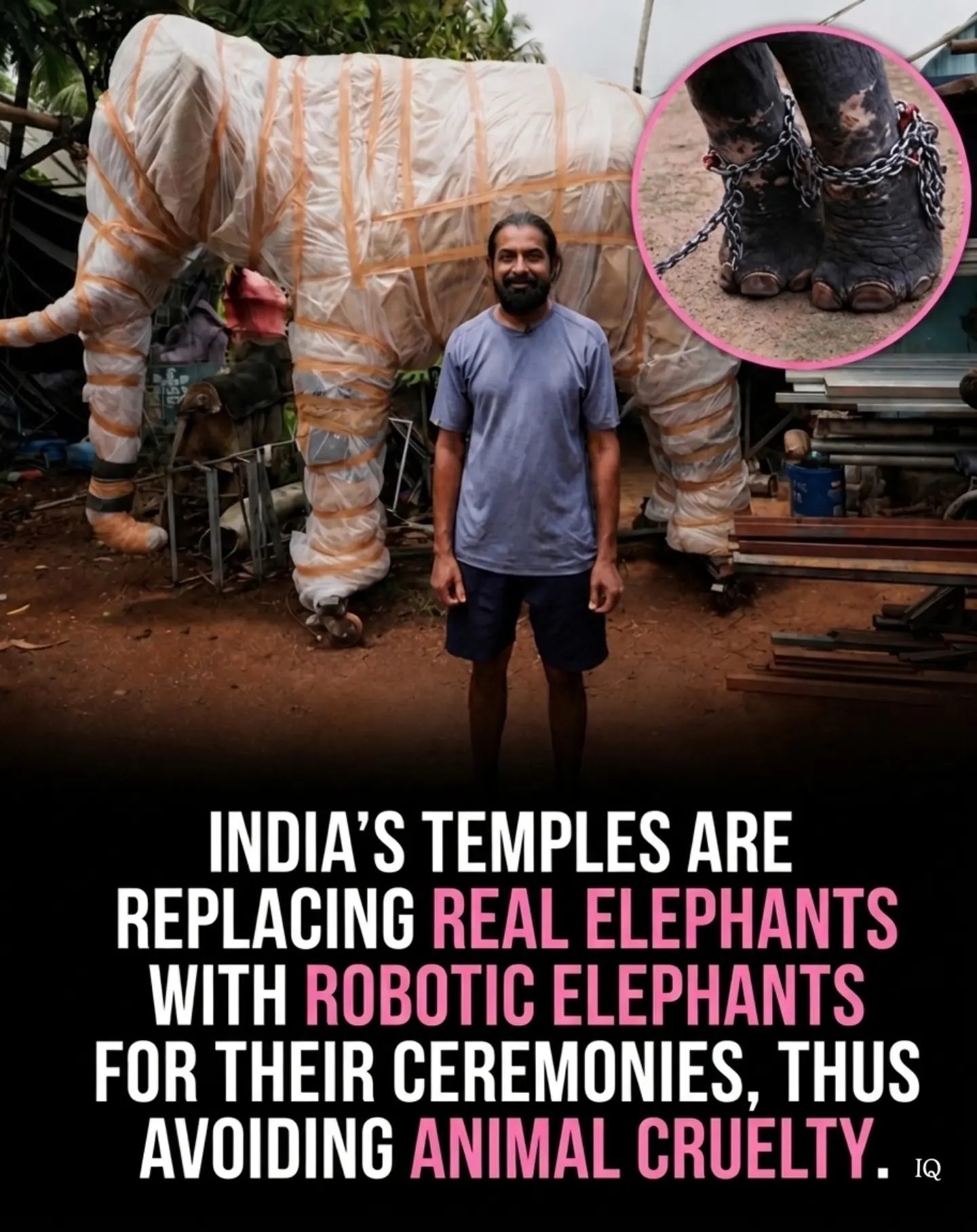
Robotic Elephants in Temples
Temples across India are making a significant shift by replacing real elephants with robotic ones for traditional ceremonies. This change is part of an effort to avoid animal cruelty and is particularly notable at the Irinjadappilly Sree Krishna Temple in Kerala, where a life-sized robotic elephant named "Irinjadappilly Raman" has been introduced. These robotic models, donated by organizations like PETA India, are designed to mimic the movements of real elephants, including flapping ears, lifting trunks, and moving heads. This allows temples to continue their rituals while avoiding the stress and cruelty that live elephants often experience.
Why This Matters
The use of robotic elephants in temples is a significant development in the intersection of tradition, technology, and animal welfare. Traditional ceremonies in many Indian temples involve using live elephants, which can be subject to loud noises, fireworks, and prolonged periods of captivity and chaining. These conditions can cause significant stress and discomfort for the animals. By transitioning to robotic elephants, temples are taking a proactive step towards more ethical practices, ensuring that their ceremonies can continue without compromising animal welfare.
Main Discussion
The Evolution of Temple Rituals
Temples in India have long been places of cultural and religious significance, and their rituals are deeply ingrained in the community. The use of elephants in these rituals has been a traditional practice for centuries. Elephants are seen as sacred animals and are often featured in various religious ceremonies. However, the use of live elephants has been increasingly scrutinized due to concerns about animal cruelty and welfare.
The introduction of robotic elephants represents a modern solution to a longstanding issue. These mechanical models are designed to replicate the movements and appearance of real elephants, making them indistinguishable from the real thing during ceremonies. This allows for the continuation of traditional practices while addressing ethical concerns.
The Role of Technology and Donations
The transition to robotic elephants is made possible through donations from organizations such as PETA India. These donations fund the creation and deployment of the robotic models, ensuring that temples can make the switch without incurring significant costs. PETA India, along with other animal welfare organizations, has been a strong advocate for this change, recognizing the importance of combining tradition with modern technology to improve animal welfare.
The robotic elephants, like "Irinjadappilly Raman," are equipped with advanced mechanisms that allow them to move realistically. This realism is crucial for maintaining the authenticity of the rituals and ensuring that the transition to robotic elephants does not disrupt the spiritual significance of the ceremonies.
Benefits of Robotic Elephants
There are several benefits to using robotic elephants in temple rituals. Firstly, it eliminates the stress and discomfort that live elephants often experience during these ceremonies. Live elephants can be subjected to loud noises, fireworks, and other harsh conditions, which can cause them significant distress. By using robotic models, temples can avoid these issues and ensure a more humane approach to their rituals.
Secondly, robotic elephants can be used repeatedly without the need for rest or recovery, which is a crucial advantage in the context of frequent temple ceremonies. This ensures that the rituals can continue seamlessly without any disruptions.
The Cultural and Ethical Implications
The shift to robotic elephants raises important questions about the balance between tradition and ethical considerations. On one hand, traditions are deeply rooted in culture and heritage, but on the other, there is a growing awareness of the need to protect and respect animal welfare. The use of robotic elephants offers a modern solution that respects both aspects, allowing temples to maintain their cultural practices while adhering to ethical standards.
Moreover, this transition can serve as a model for other cultural and religious practices that involve animals. It demonstrates how technology can be leveraged to address ethical concerns and improve the welfare of animals, without compromising the essence of traditions.
Practical Tips
For those interested in implementing similar changes in their own practices, here are some practical tips:
-
Research and Planning: Understand the specific needs and practices of your rituals or ceremonies. Identify the key areas where animals are involved and consider how robotics can be integrated.
-
Collaboration with Organizations: Reach out to animal welfare organizations and environmental groups that can provide support, resources, and technology. This collaboration can help facilitate a smoother transition and ensure that the new practices are ethical and effective.
-
Community Involvement: Engage the community in the process. Explain the reasons behind the change and seek their support and understanding. Community buy-in is crucial for the successful implementation of such changes.
-
Technological Integration: Invest in high-quality, realistic robotic models that can mimic the movements and appearances of the animals they are replacing. This ensures that the transition does not disrupt the authenticity of the rituals.
-
Continuous Evaluation: Regularly evaluate the impact of the changes and make necessary adjustments. Seek feedback from participants and stakeholders to ensure that the new practices are effective and sustainable.
Important Takeaways
The transition to robotic elephants in Indian temples is a notable example of how tradition and technology can coexist. It highlights the importance of considering ethical implications in cultural and religious practices and demonstrates how modern solutions can address longstanding issues.
-
Ethical Considerations: The shift to robotic elephants underscores the importance of prioritizing animal welfare in cultural and religious practices.
-
Technological Innovation: The use of advanced robotics provides a practical solution to the challenges of maintaining traditional rituals while respecting animal welfare.
-
Community Engagement: Involving the community in the process ensures that changes are accepted and understood, making the transition smoother and more effective.
-
Collaboration and Support: Organizations like PETA India play a crucial role in facilitating this shift, providing the necessary resources and support.
Conclusion
The use of robotic elephants in temples represents a significant step towards a more ethical and humane approach to traditional rituals. By leveraging technology, temples can continue their cultural practices while addressing animal welfare concerns. This transition serves as a model for other practices that involve animals, demonstrating how tradition and innovation can coexist to create a more compassionate and sustainable future.
Watch the Reel
Questions readers ask
What are robotic elephants and why are they being used in Indian temples?
Robotic elephants are mechanical models designed to mimic the appearance and movements of real elephants. They are being used in Indian temples to replace live elephants in traditional ceremonies, aiming to reduce animal stress and promote ethical practices. These robots allow temples to continue their rituals without involving live animals.
Which temple in India was the first to introduce a robotic elephant?
The Irinjadappilly Sree Krishna Temple in Kerala, India, was one of the first temples to introduce a life-sized robotic elephant named 'Irinjadappilly Raman' for its ceremonies. This temple is a notable example of the shift towards using robotic elephants in Indian temple rituals.
Who provides the robotic elephants to these temples?
Organizations such as PETA India have been actively involved in donating robotic elephants to temples. These donations support the transition from using live elephants to robotic ones, helping to reduce animal cruelty during temple rituals.
What benefits do robotic elephants offer over real ones in temple ceremonies?
Robotic elephants offer several benefits, including the ability to continue traditional rituals without subjecting live elephants to stress and potential cruelty. These mechanical models can mimic the movements of real elephants, ensuring that the ceremonies remain authentic while promoting animal welfare. Additionally, robotic models can help reduce logistical challenges associated with caring for live elephants.
What movements can robotic elephants perform?
Robotic elephants are designed to mimic various movements of real elephants, such as flapping their ears, lifting their trunks, and moving their heads. These movements help to create a realistic and respectful environment for the ceremonies, enhancing the authenticity of the experience.
How do robotic elephants contribute to animal welfare in temples?
By replacing real elephants with robotic ones, temples can significantly reduce the stress and potential cruelty that live elephants often experience during rituals. This change promotes animal welfare by eliminating the need for live animals in these ceremonies, ensuring that the animals are not subjected to unnecessary discomfort or harm.
Related deep dives
Similar reads based on topic and creator.




Recent articles
Fresh deep dives from the latest Reels we unpacked.




Comments
Be the first to comment.