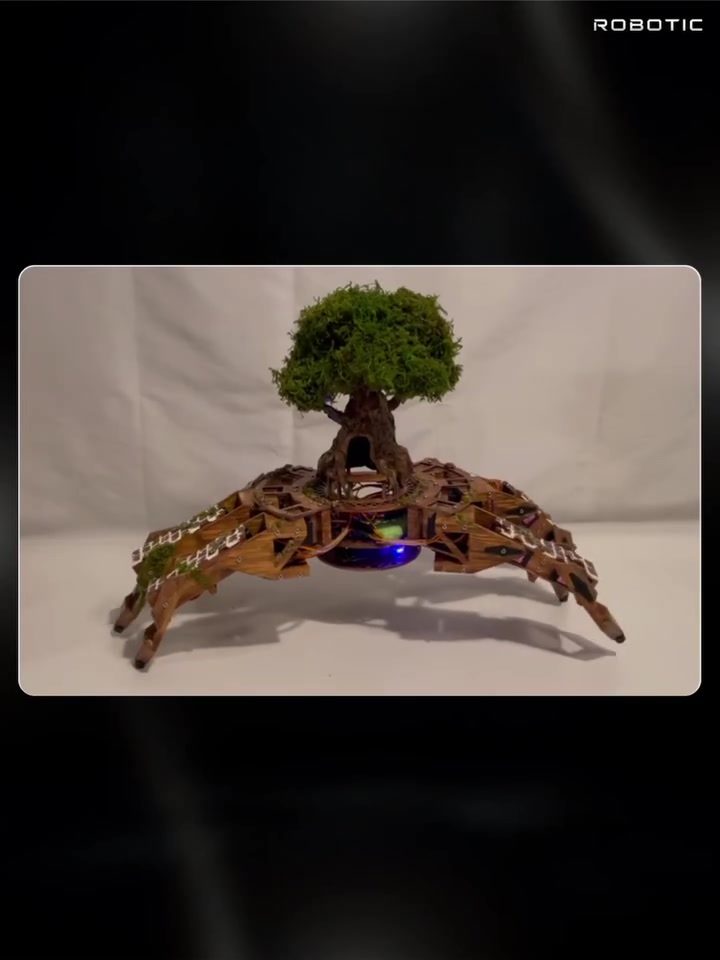
Robotic Bonsai Trees: The Fusion of Nature and Technology
Robotic bonsai trees combine the serenity of miniature trees with the cutting-edge technology of robotics, creating a unique blend of nature and innovation. These trees are not your typical bonsai; they are equipped with robotic bases that allow them to move autonomously, adding a dynamic and futuristic twist to traditional bonsai aesthetics.
Context / Why This Matters
The concept of a robotic bonsai tree is fascinating for several reasons. Traditional bonsai trees are celebrated for their stillness, patience, and the meticulous care they require. They are often seen as symbols of harmony and tranquility, representing the balance between nature and human intervention. By incorporating robotic elements, these bonsai trees transform into moving, exploring entities, challenging our perceptions of both nature and technology.
The Unique Design of Robotic Bonsai Trees
The Blend of Nature and Technology
Robotic bonsai trees feature a unique design that combines the organic beauty of bonsai with the mechanical precision of robotics. The tree is typically planted in a wooden structure that also functions as a mechanical base, often resembling a spider-like robot. This design not only provides support but also enhances the visual appeal, creating an intriguing contrast between natural and technological elements.
Autonomous Movement
One of the standout features of robotic bonsai trees is their ability to move autonomously. Powered by advanced robotic systems, these trees can walk, explore, and react to their surroundings. This autonomy transforms the traditional bonsai from a static art form into a dynamic, living sculpture, capable of interacting with its environment in ways that were once thought impossible.
The Art and Science Behind Robotic Bonsai Trees
Robotic Elements
The robotic base of a bonsai tree is a marvel of engineering. It often includes intricate mechanical parts, sensors, and motors that allow the tree to move smoothly and respond to its environment. The design of the robotic base is crucial in maintaining the aesthetic appeal while ensuring functionality.
Design and Aesthetics
The design of robotic bonsai trees is a harmonious blend of art and technology. The wooden structure of the tree provides a natural, rustic feel, while the robotic base adds a futuristic touch. This combination creates a visually stunning piece that can be both a decorative element and a conversation starter, sitting somewhere between robotics, art, and design.
Practical Tips for Incorporating Robotic Bonsai Trees in Your Space
Choosing the Right Location
When deciding where to place a robotic bonsai tree, consider a location that allows it to move freely. Avoid cluttered spaces and ensure there is enough room for the tree to explore without obstruction. A well-lit area can also enhance the visual appeal of the tree, making it a focal point in any room.
Maintenance and Care
While robotic bonsai trees require less traditional care than traditional bonsai, they still need some maintenance. Regularly check the mechanical components to ensure they are functioning properly. Cleaning the robotic base and the tree itself can help maintain its aesthetic appeal. Additionally, occasional software updates may be necessary to keep the robotic system running smoothly.
Safety Considerations
Since robotic bonsai trees move autonomously, it's essential to consider safety. Ensure that the tree is placed in a stable environment, away from pets and children. Regularly inspect the mechanical parts for any signs of wear and tear, and replace them as needed to prevent any potential hazards.
Important Takeaways
Robotic bonsai trees are a unique and innovative fusion of nature and technology. They transform the traditional bonsai into a dynamic, living sculpture, capable of exploring and reacting to its surroundings. This blend of art, design, and robotics creates a visually stunning and thought-provoking piece that can enhance any space. By incorporating a robotic bonsai tree into your home or office, you can add a touch of futuristic elegance and spark conversations about the intersection of nature and technology.
Conclusion
Robotic bonsai trees represent a new frontier in home decor, bridging the gap between traditional art and cutting-edge technology. These trees not only serve as beautiful decorative elements but also challenge our perceptions of what is possible in the world of design and robotics. By embracing this innovative concept, you can bring a piece of the future into your home, creating a space that is both serene and dynamic.
Watch the Reel
Questions readers ask
What makes robotic bonsai trees different from traditional bonsai trees?
Robotic bonsai trees distinguish themselves from traditional bonsai by incorporating advanced robotics that enable autonomous movement and interaction with their environment. Unlike traditional bonsai that remain stationary, these tech-enhanced trees can dynamically change their position, offering a unique fusion of nature and advanced technology.
How do robotic bonsai trees enhance traditional bonsai aesthetics?
Robotic bonsai trees add a dynamic and futuristic dimension to the traditional bonsai aesthetics, which are typically rooted in stillness and tranquility. The movement and interaction capabilities of these trees introduce a new perspective on bonsai artistry, making them visually engaging and thought-provoking.
What are the benefits of incorporating robotics in bonsai trees?
Incorporating robotics into bonsai trees allows for a unique blend of nature and technology, creating a captivating visual experience. These trees can move autonomously, adding a layer of interactivity and engagement. This integration also pushes the boundaries of bonsai tree design, making these creations more innovative and impressive.
Can robotic bonsai trees be controlled remotely?
This depends on the specific design and technology used in the robotic bonsai tree. While some models may have features allowing remote control or programming of movements, others may be completely autonomous. It's essential to review the specifications of the particular robotic bonsai tree model if remote control is a desired feature.
What types of movements can robotic bonsai trees perform?
The movements of robotic bonsai trees can vary greatly depending on their design. Some trees may sway gently or rotate slowly, mimicking natural movements like those caused by wind. Others may have more complex, programmed motions that can create intricate, mesmerizing patterns, adding to their futuristic appeal.
How do robotic bonsai trees interact with their surroundings?
Robotic bonsai trees can interact with their environment through various sensors and programming. They may respond to stimuli such as light, sound, or even human presence by adjusting their movements or changing their orientation. This interactivity creates a living, evolving piece of art that adapts to its surroundings.
What are the maintenance requirements for robotic bonsai trees?
Beyond the regular care needed for a traditional bonsai tree, robotic bonsai trees require maintenance related to their technological components. This can include periodic checks on the robotics, ensuring sensors and motors are functioning correctly, and keeping the software up to date. The specific maintenance tasks will depend on the technological complexity of the robotic bonsai tree model.
Related deep dives
Similar reads based on topic and creator.




Recent articles
Fresh deep dives from the latest Reels we unpacked.




Comments
Be the first to comment.