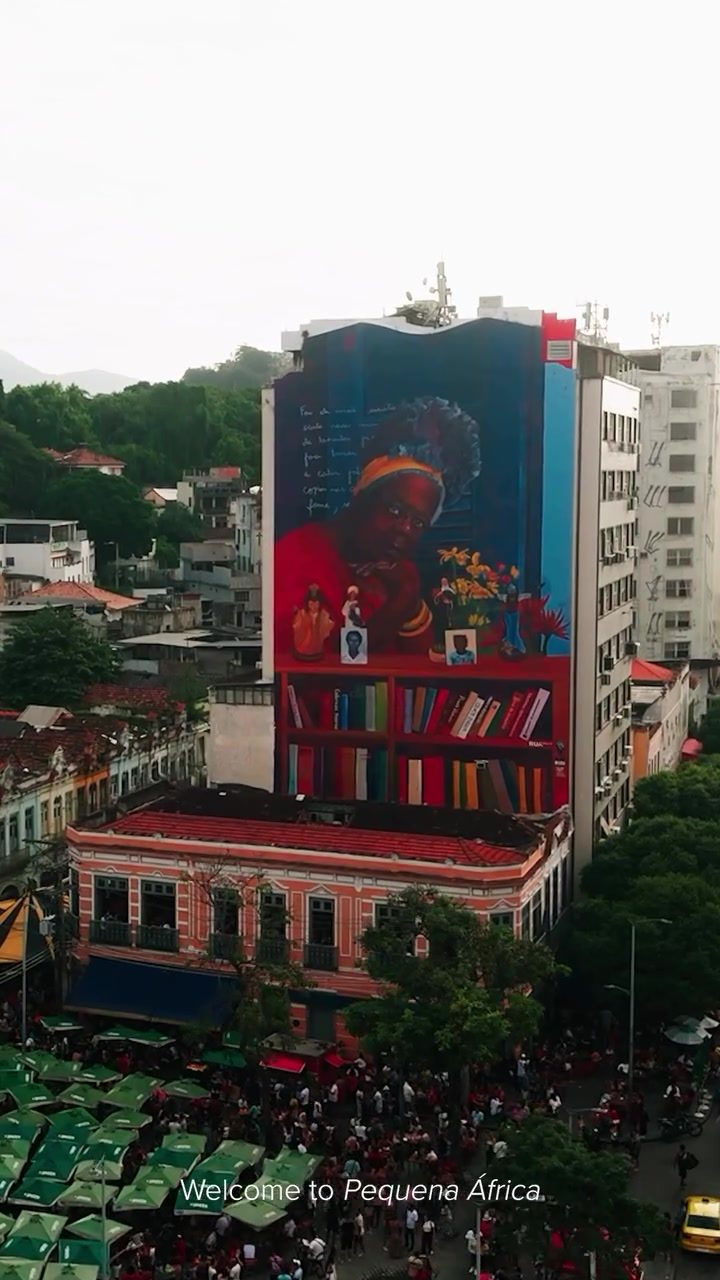
Pequena África: The Heart of Afro-Brazilian Culture in Rio de Janeiro
Pequena África, nestled in the vibrant city of Rio de Janeiro, is a captivating neighborhood that embodies the rich heritage and vibrant spirit of Afro-Brazilian culture. Known as Little Africa, this historic district weaves through areas like Saúde, Gamboa, and Santo Cristo, offering a unique blend of cultural immersion and historical significance.
Why This Matters
Understanding Pequena África provides a deeper appreciation for the cultural fabric that makes Rio de Janeiro a unique, dynamic destination. This area is not just a tourist spot; it's a living testament to the resilience and creativity of the Afro-Brazilian community. By exploring Pequena África, visitors can connect with the roots of Brazilian identity, experience vibrant street performances, and delve into the history of a community that has significantly shaped the city.
The Vibrant Streets of Pequena África
Murals and Street Art
One of the most striking features of Pequena África is its colorful murals. These vibrant artworks celebrate Black Brazilian icons, from renowned musicians to influential freedom fighters. The murals serve as visual narratives, depicting pivotal moments and figures in Afro-Brazilian history. Walking through the streets, visitors are greeted by large-scale portraits and intricate designs that tell stories of resistance, creativity, and cultural pride. These murals are more than just art; they are symbols of the community's enduring spirit and identity.
Samba and Live Music
The streets of Pequena África come alive with the rhythm of samba, especially in the evenings. Samba, a traditional Brazilian dance and music genre, is deeply rooted in Afro-Brazilian culture. The neighborhood is famous for its street samba parties, known as Rota de Samba. These gatherings are spontaneous and joyful, with locals and visitors alike dancing to the infectious beats of live music. Pedra do Sal, a historic spot in the neighborhood, hosts one of the city's most iconic street parties every Monday night, drawing crowds from all over Rio.
Historical Sites
Pequena África is also home to significant historical landmarks that offer a deeper understanding of the area's rich past. The Valongo Wharf, a UNESCO World Heritage site, is one such landmark. This wharf was once the entry point for enslaved Africans brought to Brazil. Today, it stands as a poignant reminder of the struggles and triumphs of the Afro-Brazilian community. Visitors can also explore museums and other landmarks that provide insight into the historical and cultural significance of the neighborhood.
Practical Tips for Exploring Pequena África
Best Times to Visit
The energy of Pequena África is particularly palpable in the evenings when the streets fill with the sound of samba and the air is alive with celebration. For an authentic experience, plan your visit to coincide with these lively nights. If you prefer a more relaxed pace, mornings and afternoons offer a quieter atmosphere, perfect for exploring the murals and historical sites.
Joining a Guided Tour
To gain a deeper understanding of the neighborhood's history and culture, consider joining a guided tour. Local guides can provide valuable insights and context, making the experience more enriching and meaningful. Whether you're interested in the history of samba, the significance of the murals, or the stories behind the historical sites, a guided tour can enhance your visit.
Following the Music
Pequena África is a place where the rhythm of samba is always present. One of the best ways to explore the neighborhood is to simply follow the music. The sound of live samba performances can lead you to impromptu street parties and vibrant gatherings, offering a truly immersive experience of the local culture.
Important Takeaways
Pequena África is more than just a place; it is the heart and soul of Rio's cultural identity. The vibrant murals, energetic samba performances, and significant historical sites all contribute to a rich tapestry of Afro-Brazilian heritage. Whether you are interested in the history, the music, or the art, Pequena África offers a deeply moving and joyful connection to the roots of Brazilian identity.
Conclusion
A visit to Pequena África is an experience that goes beyond sightseeing; it is a journey into the heart of Afro-Brazilian culture. Through its vibrant streets, colorful murals, and lively music, the neighborhood offers a unique connection to Brazil's rich cultural heritage. Whether you join a guided tour or simply follow the rhythm of samba, Pequena África invites you to immerse yourself in its vibrant spirit and discover the cultural legacy that has shaped Rio de Janeiro.
Watch the Reel
Questions readers ask
What are some must-see sights in Pequena África?
Pequena África is filled with vibrant street murals that showcase Afro-Brazilian art and history. Key sights include the historic sites in the Saúde, Gamboa, and Santo Cristo districts, where you can see the blend of colonial architecture and Afro-Brazilian influences. Don't miss the chance to wander through the bustling streets and soak in the local atmosphere.
What role does music play in Pequena África?
Music is a cornerstone of Afro-Brazilian culture in Pequena África. Samba music, in particular, is ubiquitous and can be heard in many local events and performances. The lively rhythms and vibrant beats of Afro-Brazilian music create a dynamic atmosphere, making it a highlight of the neighborhood's cultural experience.
What can visitors expect to experience in the evenings in Pequena África?
Evenings in Pequena África are vibrant and full of life. The streets come alive with music, dance, and community gatherings. Visitors can expect to see locals and tourists alike enjoying live music, especially samba, and participating in various cultural activities that showcase the neighborhood's rich Afro-Brazilian heritage.
What historical significance does Pequena África hold?
Pequena África holds immense historical significance as a center of Afro-Brazilian culture in Rio de Janeiro. It was a key area for the settlement of former enslaved people. Over time, it evolved into a vibrant community that has played a crucial role in shaping Brazil's cultural identity, contributing to its music, art, and traditions.
Who are some notable Afro-Brazilian icons from Little Africa?
One of the most notable Afro-Brazilian icons from Little Africa is Carmen Miranda, a celebrated singer and actress. Other notable figures include Martinho da Vila and Nelson Cavaquinho, who were renowned for their contributions to samba music and Afro-Brazilian culture in Rio.
How does Pequena África contribute to the broader cultural landscape of Rio de Janeiro?
Pequena África is a vital contributor to the broader cultural landscape of Rio de Janeiro by preserving and celebrating Afro-Brazilian heritage. It serves as a cultural hub where traditions are kept alive, and new expressions of Afro-Brazilian art and music are continuously emerging, enriching the city's diverse cultural tapestry.
Related deep dives
Similar reads based on topic and creator.




Recent articles
Fresh deep dives from the latest Reels we unpacked.




Comments
Be the first to comment.