Gōtokuji Temple: A Feline-Focused Journey in Tokyo
Nestled in the Setagaya neighborhood of Tokyo, Gōtokuji Temple is a unique and charming destination that offers a journey unlike any other. This temple is renowned for its connection to the iconic Maneki Neko, or "beckoning cat," and the experience of reaching it is just as delightful as the destination itself.
Why This Matters
Gōtokuji Temple is not just a place of worship but a cultural landmark that embodies the quirky and endearing aspects of Japanese culture. Visiting this temple is a must for anyone interested in experiencing the lesser-known but equally captivating sides of Tokyo, away from the bustling crowds and tourist traps.
The Journey to Gōtokuji Temple
The Cat-Themed Train
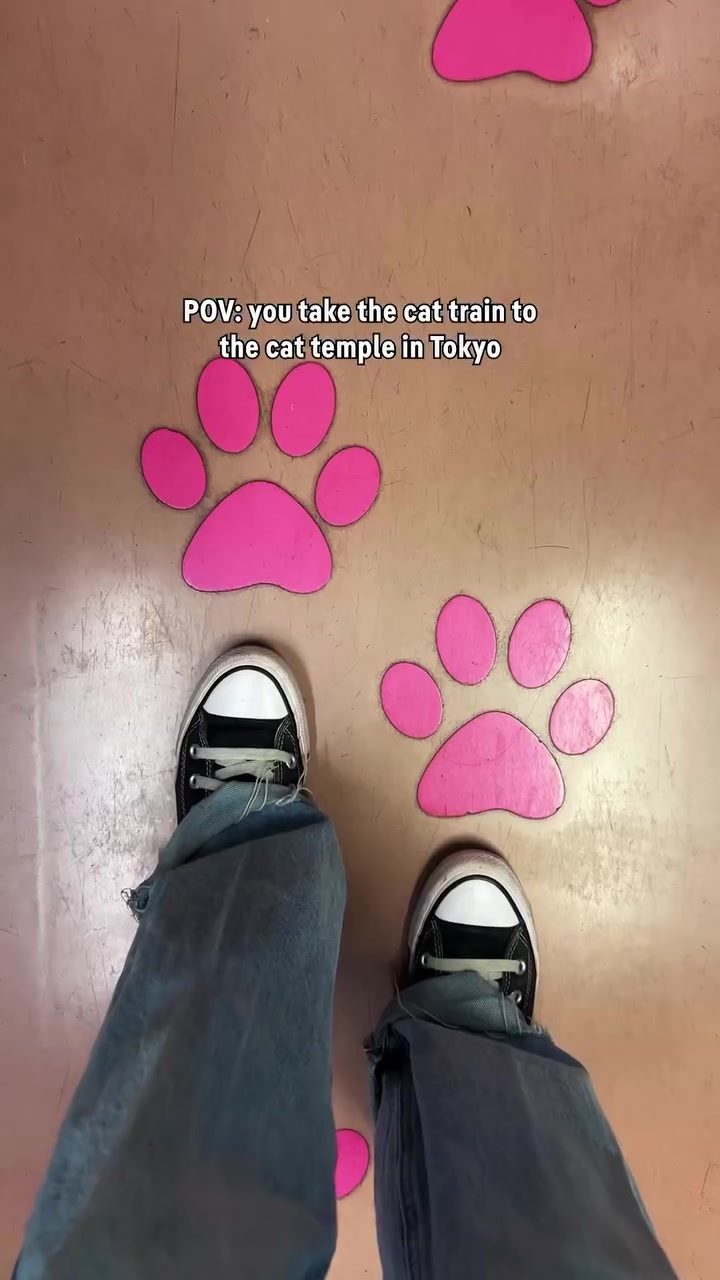
The adventure begins with a ride on the Tokyu Setagaya Line, a local tram that has been transformed into a giant cat face. This whimsical mode of transportation adds a playful touch to your journey. The train winds through quiet residential streets, offering a peaceful and scenic ride before depositing you near the temple.
The Surroundings
As you disembark from the cat-themed tram, you'll find yourself in a tranquil setting far from the typical tourist hotspots. The pathway to the temple is lined with traditional Japanese homes and lush greenery, providing a serene backdrop for your exploration.
The Maneki Neko Connection
Gōtokuji Temple is famous as the birthplace of the Maneki Neko. These lucky cat figurines, often seen in shops and homes around the world, are believed to bring good fortune and protection. The temple is adorned with thousands of these figurines, each left behind by visitors as a token of gratitude or as a wish for good luck.
The Temple Grounds
The Lucky Cat Statues
One of the most striking features of Gōtokuji Temple is the vast collection of Maneki Neko statues. These figurines are not only a sight to behold but also hold deep cultural significance. The raised paw of the Maneki Neko is said to beckon good fortune, and visitors often leave these statues as offerings. Each statue is unique, reflecting the personal wishes and gratitude of those who left them behind.
The Autumn Setting
The temple grounds are particularly enchanting during the autumn season. The falling leaves create a picturesque setting, adding to the overall charm of the experience. Whether you visit in fall or any other season, the tranquility and beauty of Gōtokuji Temple are sure to leave a lasting impression.
Practical Tips
How to Get There
To reach Gōtokuji Temple, take the Tokyu Setagaya Line tram and look for the one adorned with a giant cat face. The ride from the station to the temple is short and delightful. The exact address is Gōtokuji Temple, Setagaya, Japan.
What to Bring
A camera is essential for capturing the unique sights and memorabilia. You might also want to bring a small offering for the Maneki Neko statues, such as a small token or figurine, to leave as a wish or thank you.
Best Time to Visit
While the temple is beautiful year-round, autumn is particularly enchanting with its falling leaves. Spring is also a lovely time to visit, as the cherry blossoms add a touch of magic to the surroundings.
Important Takeaways
Visiting Gōtokuji Temple is a charming experience that offers a unique glimpse into Japanese culture. The cat-themed train ride, the tranquil surroundings, and the vast collection of Maneki Neko statues make it a journey worth taking. This temple stands out as a hidden gem in Tokyo, providing a memorable and culturally rich experience.
Conclusion
Gōtokuji Temple in Tokyo's Setagaya neighborhood offers a journey that is as enchanting as it is unique. From the cat-themed tram ride to the serene temple grounds, this destination is a must-visit for anyone looking to explore the lesser-known but equally captivating sides of Tokyo. The temple's connection to the Maneki Neko adds an extra layer of cultural significance, making the visit both memorable and meaningful.
Watch the Reel
Questions readers ask
What is the significance of the Maneki Neko at Gōtokuji Temple?
The Maneki Neko, or 'beckoning cat,' is an iconic symbol of Japanese culture often associated with good luck and fortune. At Gōtokuji Temple, the Maneki Neko takes center stage, making the temple a unique destination for those interested in Japanese folklore and cultural icons.
How do I get to Gōtokuji Temple?
To reach Gōtokuji Temple, you'll first need to take the Tokyu Den-en-toshi Line to Shimo-Kitazawa Station. From there, take the Seijō Line to the Kinuta Station, switch to the Tokyu Den-en-toshi Line to Shimo-Kitazawa Station, and then ride the Tokyu line to the train station closest to the temple.
What can I expect from the cat-themed train experience?
The cat-themed train, known as the Maneki Neko Train, is a unique part of the journey to Gōtokuji Temple. The train features cat decorations and imagery, providing a fun and visually interesting ride through Tokyo's quiet neighborhoods.
Are there other attractions near Gōtokuji Temple?
While Gōtokuji Temple is the main attraction, the surrounding Setagaya neighborhood offers a tranquil and less-crowded experience compared to central Tokyo. Nearby, you'll find local cafes, shops, and small parks that provide a peaceful retreat.
What is the best time to visit Gōtokuji Temple?
The best time to visit Gōtokuji Temple is during the spring or fall when the weather is pleasant, and the crowds are smaller. Spring offers beautiful cherry blossoms, while fall brings vibrant foliage, enhancing the overall experience.
Can I purchase Maneki Neko souvenirs at the temple?
Yes, Gōtokuji Temple has a shop where you can buy a variety of Maneki Neko-themed souvenirs. These make great mementos of your visit and support the temple's upkeep.
Is Gōtokuji Temple accessible for wheelchair users?
While the temple itself is accessible, the journey to get there involves navigating through the train and the surrounding streets. However, the temple grounds are generally flat, making it easier for wheelchair users to explore the area.
Related deep dives
Similar reads based on topic and creator.




Recent articles
Fresh deep dives from the latest Reels we unpacked.




Comments
Be the first to comment.