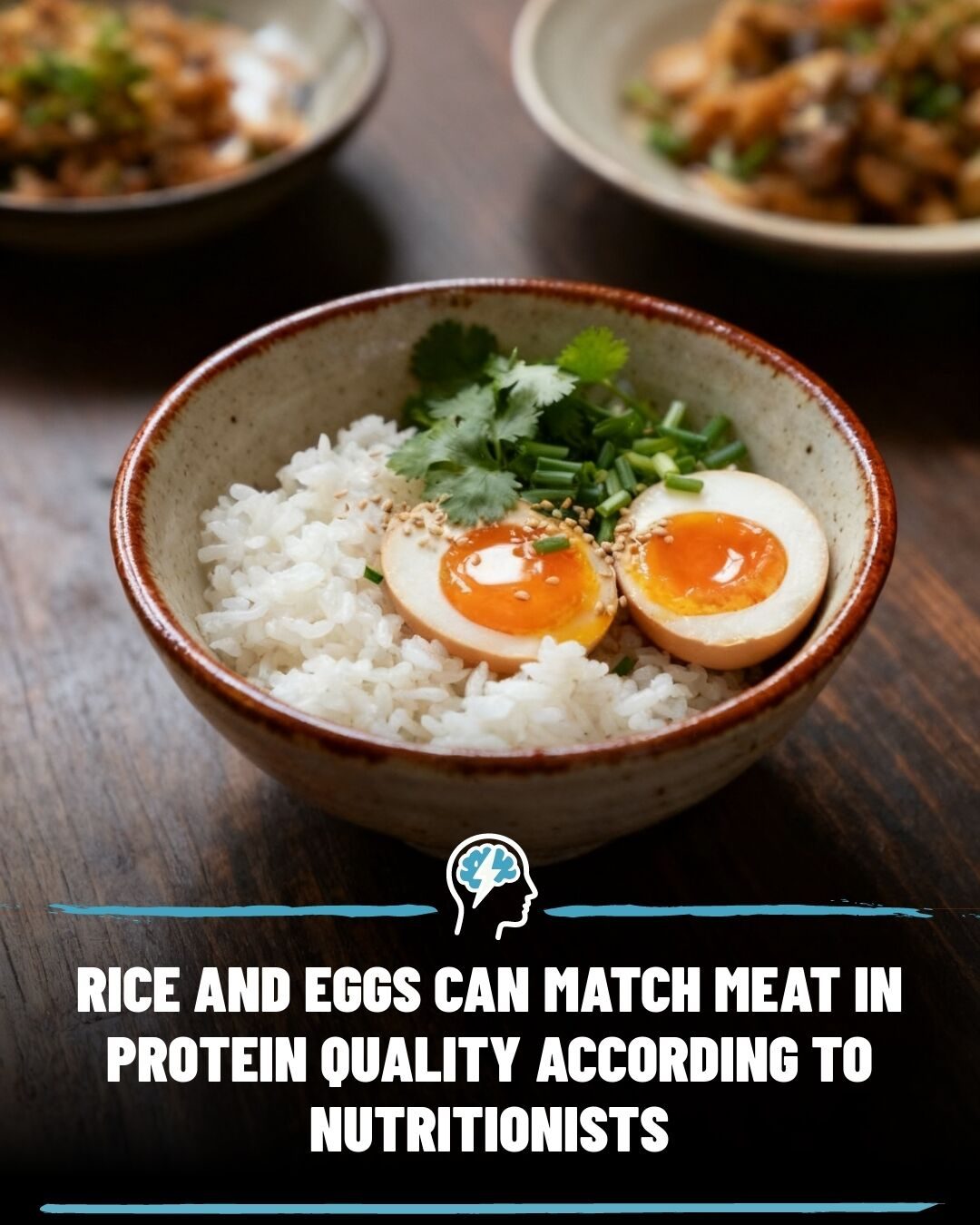
Rice and Eggs: A Powerful Protein Combination
Rice and eggs are a simple yet powerful combination for anyone looking to boost their protein intake. This pairing is not only easy to prepare but also provides a balanced amino acid profile, making it a versatile and nutritious option for various diets. Let's delve into the science behind this nutritional power duo.
Why This Matters
Understanding the nutritional benefits of rice and eggs can help you make informed dietary choices. This combination is particularly useful for those on a budget or seeking straightforward, accessible meals. By comprehending how these foods complement each other, you can optimize your protein intake without overcomplicating your diet.
The Science Behind the Pairing
Incomplete vs. Complete Proteins
Rice is considered an incomplete protein, meaning it lacks one essential amino acid—lysine. The nine essential amino acids are crucial for the body, as it cannot produce them on its own. However, they are not necessarily lacking in other food groups. For example, eggs are a complete protein source, containing all nine essential amino acids. Combining rice and eggs fills the nutritional gaps left by each food, creating a more balanced protein intake.
Protein Complementation
This concept, known as protein complementation, has been well-studied with other food pairs, such as beans and rice. Each food on its own may lack certain essential amino acids, but when eaten together, they contribute what the other is missing. The same principle applies to rice and eggs, though this specific combination has received less direct study compared to the classic beans and rice pairing.
Practical Tips for Incorporating Rice and Eggs
Meal Preparation
Rice and eggs can be prepared in various ways to suit different tastes and preferences. Here are a few simple ideas:
- Fried Rice with Eggs: Cook rice and scramble eggs together with vegetables for a hearty, protein-packed meal.
- Egg Fried Rice: Start with leftover rice and stir-fry it with eggs and your choice of vegetables and seasonings.
- Rice and Egg Bowl: Serve a bowl of rice topped with a poached or boiled egg and garnish with fresh herbs for a simple, nutritious meal.
Daily Protein Intake
You don't necessarily need to consume complementary proteins in the same meal. Your body can pool amino acids throughout the day, so spreading out your protein sources can still provide the necessary amino acids.
Important Considerations
Individual Needs
Results can vary based on your overall diet, health status, and individual needs. For example, people with specific dietary restrictions or health conditions may need to adjust their protein intake accordingly. Consulting a healthcare provider or nutritionist can help tailor your diet to meet your unique requirements.
Variety in Diet
Eating a varied diet with multiple protein sources ensures that you get a complete protein intake without overthinking it. This approach can also help prevent nutritional deficiencies and promote overall health.
Important Takeaways
- Rice and eggs together can support a balanced amino acid intake, making it a viable protein source.
- This combination is especially beneficial for those on a budget or looking for simple, accessible meals.
- Protein complementation allows your body to pool amino acids throughout the day, so you don't necessarily need to consume complementary proteins in the same meal.
- Results can vary based on your overall diet, health status, and individual needs.
Conclusion
Rice and eggs offer a simple yet powerful protein combination that can support a balanced amino acid intake. This pairing is not only nutritious but also versatile and easy to prepare. By understanding the science behind this nutritional power duo, you can make informed dietary choices that support your health and well-being.
Watch the Reel
Questions readers ask
What makes rice and eggs a complete protein meal?
Rice and eggs together form a complete protein because they complement each other's amino acid profiles. Rice is low in lysine but high in other essential amino acids, while eggs are high in lysine. When combined, they provide all nine essential amino acids that the body needs for optimal functioning.
Why are rice and eggs a budget-friendly protein option?
Both rice and eggs are typically affordable and widely available. They have a long shelf life, which reduces food waste and lowers the cost per meal. Plus, they can be prepared in large quantities and stored for later use, making them an economical choice for any dietary plan.
What are some benefits of including rice and eggs in my diet?
Rice and eggs offer a variety of nutritional benefits. They provide a good balance of carbohydrates and protein, which can help maintain energy levels. Rice offers B vitamins, and eggs are rich in vitamin D, selenium, and choline, which are crucial for overall health.
Can I use rice and eggs as a balanced diet foundation?
Yes, the combination of rice and eggs can serve as a foundation for a balanced diet. It provides a complete protein source, along with essential vitamins and minerals. To further enhance the nutritional value, consider pairing them with vegetables, fruits, and healthy fats.
What are some simple rice and eggs recipes for a high-protein breakfast?
One popular option is a fried rice and eggs dish. Cook rice and scramble eggs separately, then mix them together with your choice of vegetables and seasonings. Another quick recipe is an omelette with rice and beans, adding a variety of nutrients and textures for a satisfying meal.
What is the best way to cook rice and eggs for optimal protein benefits?
For optimal protein benefits, it’s best to cook rice and eggs separately. First, cook the rice according to package instructions. Then, prepare the eggs by boiling, scrambling, or frying, depending on your preference. This method ensures that both components retain their nutritional integrity and flavor.
Related deep dives
Similar reads based on topic and creator.



Recent articles
Fresh deep dives from the latest Reels we unpacked.




Comments
Be the first to comment.