Disaster Relief Apps in Modern Crisis Response
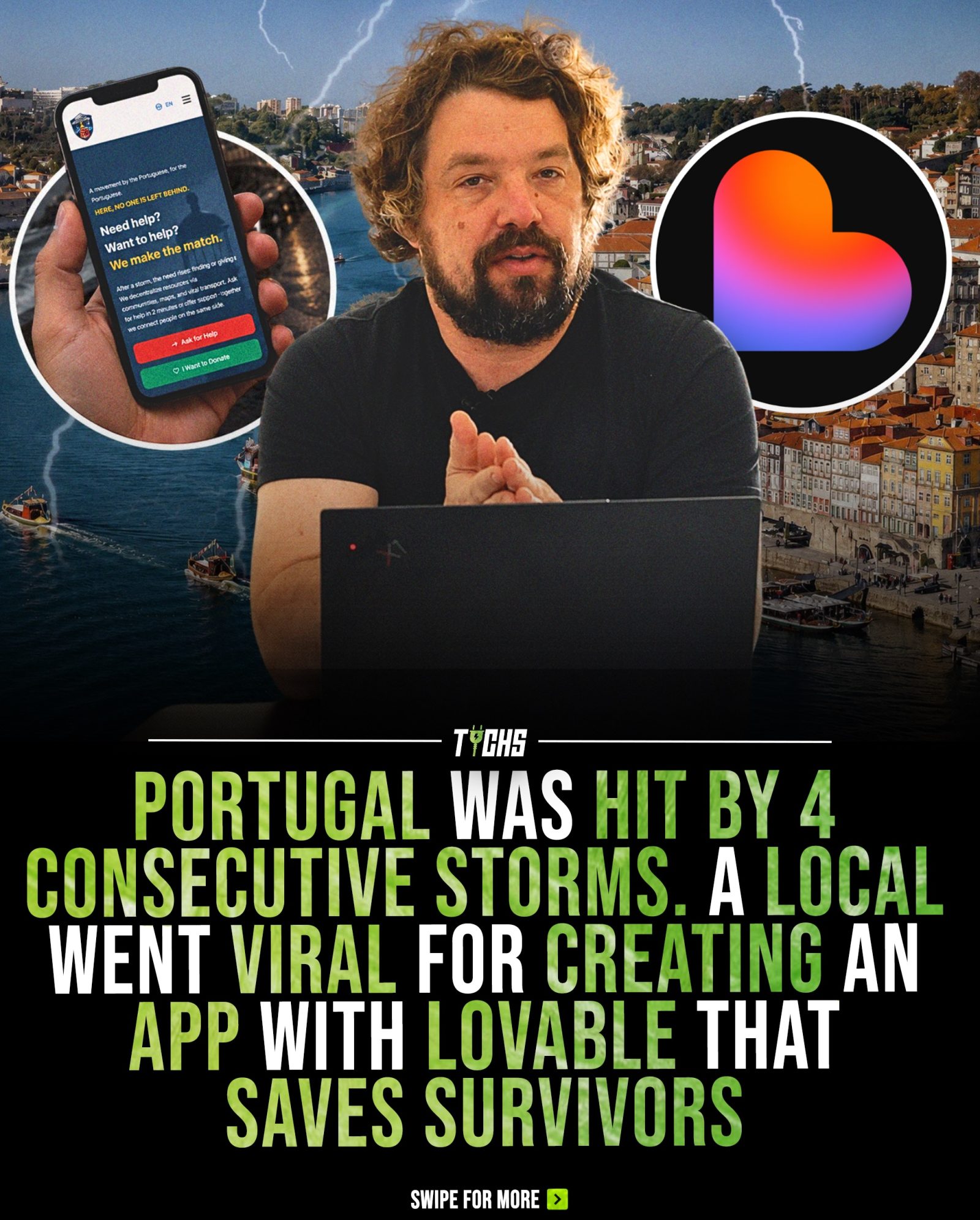
When disaster strikes, communities need to mobilize quickly to provide essential aid. For many people in Portugal, the Tempestade SOS mobile app has become a lifeline, connecting survivors with neighbors who can offer support during severe storms. Created by Ricardo, this app is a powerful example of how technology can be leveraged to assist in times of crisis.
Why This Matters
During Portugal's devastating storm crisis, the ability to coordinate support quickly and efficiently was vital. Ricardo, with no coding experience, utilized the platform, Lovable, to create an emergency coordination app. This app, Tempestade SOS, connects those in need with people offering essential resources, such as food, generators, and shelter materials. This innovative solution not only highlights the importance of community support but also showcases the capabilities of modern app-building platforms. By breaking down the barriers to app development, Lovable has made it possible for individuals to create much-needed tools for crisis response.
The Power of Community Support
Tempestade SOS serves as a matchmaking platform, facilitating connections between survivors and neighbors willing to offer assistance. The app's user-friendly design ensures that anyone can ask for help or offer support with just a few taps on their mobile device. This seamless interaction is crucial in a crisis situation where time and efficiency are of the essence. The app's capabilities include matching requests for help with available resources, enabling quick and effective delivery of relief.
Natural Language Processing
One of the standout features of the Tempestade SOS app is its use of natural language processing, which simplifies the app-building process. Ricardo, who had no coding experience, was able to create this essential tool entirely with natural language. This means that Lovable allows users to define the app's functionality using simple, everyday language, making it accessible to anyone with an idea.
Building Apps Without Coding
Lovable, the platform behind Tempestade SOS, has democratized app development by enabling users to build apps without writing a single line of code. This breakthrough is particularly powerful in crisis situations where time and expertise are critical. With Lovable, individuals can quickly turn their ideas into functional tools, reducing the reliance on professional developers and extensive resources.
Practical Tips for Developing Emergency Response Apps
Identify Key Needs
The first step in developing an emergency response app, like Tempestade SOS, is to identify the key needs of the community. In the case of severe storms, these needs could include food, shelter, and essential supplies. Understanding these needs will help shape the app's features and functionality.
Simplify User Interface
A user-friendly interface is crucial for an app used during a crisis. Highlight essential features and keep the design straightforward. This ensures that users, who may be under stress or unfamiliar with technology, can navigate the app easily and find the help they need quickly. Lovable’s platform makes it easy to design an intuitive and effective user interface.
Implement Natural Language Processing
Using natural language processing, as seen in Tempestade SOS, can make the app-building process accessible to non-coders. This feature allows users to define the app’s functionality using everyday language, enabling a wider range of people to create essential tools for crisis response. Lovable’s platform provides this capability, making it a powerful tool for community-driven solutions.
Promote Community Engagement
Crisis response apps thrive on community engagement. Encourage users to both ask for help and offer support. This two-way interaction fosters a sense of community and mutual aid, which is essential in times of crisis. The platform should make it easy for users to connect and coordinate their efforts, just as Tempestade SOS does.
Important Takeaways
Lovable has demonstrated the potential of no-code app-building platforms. By enabling individuals like Ricardo to create essential tools during crises, Lovable has shown that technology can be a powerful ally in disaster response, even in the hands of non-developers.
Empowering Individuals
The ability to create an app using natural language empowers individuals to take action. This democratization of app development means that anyone with an idea can build a tool that can help their community. The success of Tempestade SOS underscores the importance of accessible technology in crisis situations.
Rapid Response
In times of crisis, rapid response is crucial. Lovable’s platform allows for the quick development of essential tools, which can be deployed almost immediately. This speed is vital in situations where every minute counts, and where professional developers may not be available.
Community Collaboration
The success of Tempestade SOS relies heavily on community collaboration. By connecting survivors with neighbors who can offer support, the app fosters a sense of mutual aid and community spirit. This collaborative approach is essential for effective crisis response.
Conclusion
Tempestade SOS exemplifies how modern technology can be leveraged to support communities in times of crisis. Created by Ricardo using Lovable, this app highlights the power of no-code app-building platforms in disaster response. By connecting survivors with neighbors offering essential aid, Tempestade SOS demonstrates the importance of community support and the potential of accessible technology in crisis situations.
Watch the Reel
Questions readers ask
What inspired Ricardo to create the Tempestade SOS app?
Ricardo was motivated to create the Tempestade SOS app in response to the severe storms in Portugal. He saw a need for a system that could quickly connect survivors with volunteers offering essential resources, such as food and shelter.
Who is the target audience for the Tempestade SOS app?
The primary users of the Tempestade SOS app are survivors of severe storms in Portugal who need immediate assistance, and volunteers who can provide essential support, such as food, generators, and shelter materials.
What platform did Ricardo use to build the Tempestade SOS app?
Ricardo used Lovable, an easy-to-use app-building platform, to create the Tempestade SOS app. This platform allowed him to develop the app without any prior coding experience.
How does the Tempestade SOS app facilitate community support?
The Tempestade SOS app facilitates community support by connecting survivors in need with volunteers who can provide essential resources. This direct connection helps to mobilize community resources quickly and effectively during crises.
What kind of resources can be found through the Tempestade SOS app?
Through the Tempestade SOS app, users can find a variety of essential resources, including food, generators, and shelter materials, which are crucial for survival and recovery during severe storms.
Can non-coders like Ricardo build effective crisis response apps?
Yes, non-coders can build effective crisis response apps using user-friendly app-building platforms like Lovable. These platforms provide the tools needed to create functional and impactful apps without extensive technical knowledge.
What role does community support play in the Tempestade SOS app?
Community support is central to the Tempestade SOS app. It relies on volunteers to offer essential resources, and by fostering a network of mutual aid, the app strengthens community bonds and enhances the overall response to disasters.
Related deep dives
Similar reads based on topic and creator.




Recent articles
Fresh deep dives from the latest Reels we unpacked.




Comments
Be the first to comment.