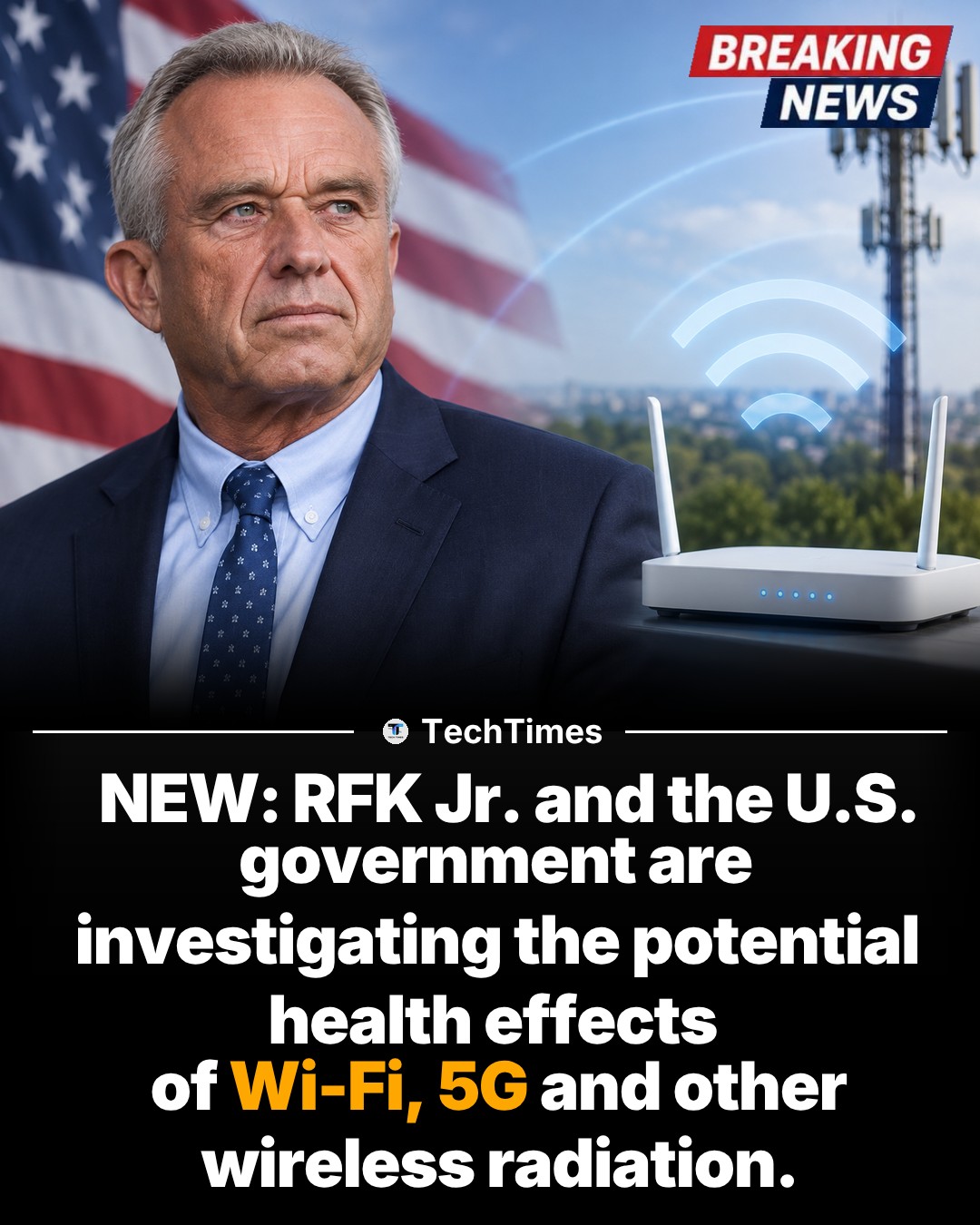
The U.S. government and Robert F. Kennedy Jr. are jointly exploring the potential health impacts of wireless radiation, particularly from Wi-Fi, 5G, and other wireless technologies. Wireless communication technologies are now a mainstay, but these are not benign. RFK Jr. and the government’s investigation often raises alarms about long-term risks.
What is being investigated
The investigation focuses on the potential health effects of wireless radiation. This includes radiation from Wi-Fi and 5G technologies. Wireless radiation is a type of non-ionizing electromagnetic radiation. It works by allowing devices to connect to the internet without wires or cables. Devices like routers send and receive signals as radio frequency waves to facilitate connections. RFK Jr. and the U.S. government are concerned about how long-term exposure affects human health. Investigators are also examining the current guidelines and regulations surrounding wireless radiation. The public needs protection from any potential risks. It matters because the widespread use of wireless technology means the potential risks are high. The investigation emphasizes the need for public safety measures and vigilant oversight.
Wireless radiation in everyday devices
The investigation highlights the prevalence and ubiquity of wireless radiation. It is present in many devices, including mobile phones, routers, and smart home devices. The investigation also underscores how regular exposure to wireless radiation over long periods could potentially affect health. Some studies raise concerns about potential links to adverse health effects, but the evidence is inconclusive. However, the fact that RFK Jr. and the U.S. government are investigating these concerns alone warrants public scrutiny. Environmental impacts are part of the mix as well. This means that the issues are not just human-health related but also ecological.
The science behind wireless radiation
How it works
Wireless radiation operates through electromagnetic waves, which allow devices to communicate without physical connections. Routers, for instance, emit signals that enable devices to connect to the internet. The strength of the signal depends on the wireless technology — Wi-Fi, 5G or older. The electromagnetic spectrum classifies radiofrequency waves used in wireless radiation as non-ionizing. This means they do not have enough energy to cause damage at the molecular level.
The health debate
Wireless radiation has been under scrutiny for other aspects of public health. There is no conclusive evidence linking wireless radiation to serious health issues, but this does not mean there is none at all.
Government reviews of non-ionizing radiation
The U.S. Food and Drug Administration and the Federal Communications Commission have clear guidelines. They set limits on the levels of exposure to non-ionizing radiation. The agencies regularly review and update standards based on new research. They do not accept that these radio frequency levels are safe, they merely assess this type of radiation against other types of harmful radiation.
What the investigation is revealing
The agencies leading the charge
The U.S. government’s involvement in the investigation ensures a thorough review. This includes agencies like the FDA and the FCC. These agencies ensure that the public is informed and protected from any potential risks. The investigation also involves Robert F. Kennedy Jr., who is known for his advocacy on environmental and health issues.
Implications for Wi-Fi and 5G tech
RFK Jr.’s investigation looks at issues common to both Wi-Fi and 5G. The investigation highlights how both technologies use wireless radiation, which is not strong enough to cause serious immediate damage. Still, the potential for long-term, cumulative effects is of concern.
The debate on long-term exposure
The lack of conclusive evidence
One of the key challenges in assessing the health effects of wireless radiation is the lack of conclusive evidence. Studies have produced mixed results, with some suggesting potential risks and others finding no significant effects. Many researchers are pushing for more funding. The signals themselves are not necessarily visible or tangible.
Public awareness and precaution
Robert F. Kennedy Jr. has been a vocal advocate for public awareness. The investigation underscores the importance of being cautious. Simple actions like reducing exposure and staying informed can help mitigate potential risks. RFK Jr.’s efforts are aimed at raising awareness and promoting further research.
How to minimize electromagnetic exposure
- Use wired connections: When possible, opt for wired connections instead of wireless. This can reduce exposure to radio frequency waves.
- Avoid prolonged exposure: Limit the time spent near devices that emit wireless radiation, such as routers and mobile phones.
- Maintain a safe distance: Keep a reasonable distance from wireless devices, especially when they are in use. The further away, the lower the exposure. Wireless radiation is a topic that demands attention. This is due to its ubiquitous presence in everyday technology. Despite the lack of conclusive evidence, the potential risks cannot be ignored. Taking proactive measures to reduce exposure and staying informed about ongoing investigations like this one are important steps. Ensuring that the technology is safe and beneficial to all is key.
Watch the Reel
Questions readers ask
What is non-ionizing electromagnetic radiation, and how does it relate to wireless technologies?
Non-ionizing electromagnetic radiation is a type of radiation that doesn't have enough energy to knock out tightly-bound electrons. It's the kind of radiation that Wi-Fi, 5G, and other wireless technologies use to send and receive signals. This means that your router is sending and receiving signals as radio frequency waves, allowing your devices to connect to the internet wirelessly. The investigation is looking into whether this type of radiation poses health risks when people are exposed to it over long periods, especially with the ubiquity of wireless devices in daily life.
Why are the U.S. government and RFK Jr. concerned about wireless radiation?
The U.S. government and RFK Jr. are concerned because while wireless technology is incredibly convenient, it also means that people are exposed to non-ionizing electromagnetic radiation on a daily basis. The investigation aims to determine if this long-term exposure poses any health risks, and whether current guidelines and regulations are sufficient to protect the public. The concern is heightened by the fact that the evidence, while inconclusive, raises enough questions to warrant scrutiny.
What are some of the potential health impacts being investigated?
The investigation is looking into a range of potential health impacts, including possible links to adverse health effects. Studies have raised concerns, but the evidence is not yet conclusive. This means that while there is no definitive proof, the possibility of health risks is significant enough to prompt a closer look, especially given the widespread use of wireless technology. The investigation also considers environmental impacts, highlighting the broader scope of the concerns.
How do the government guidelines on non-ionizing radiation work?
The U.S. Food and Drug Administration and the Federal Communications Commission set guidelines on the levels of exposure to non-ionizing radiation. They regularly review and update these standards based on new research. However, these guidelines are not based on an assessment that the radiation is safe, but rather on comparing it to other types of harmful radiation. The investigation is looking into whether these current guidelines are adequate to protect public health in the face of increasing exposure to wireless radiation.
Related deep dives
Similar reads based on topic and creator.


Recent articles
Fresh deep dives from the latest Reels we unpacked.




Comments
Be the first to comment.