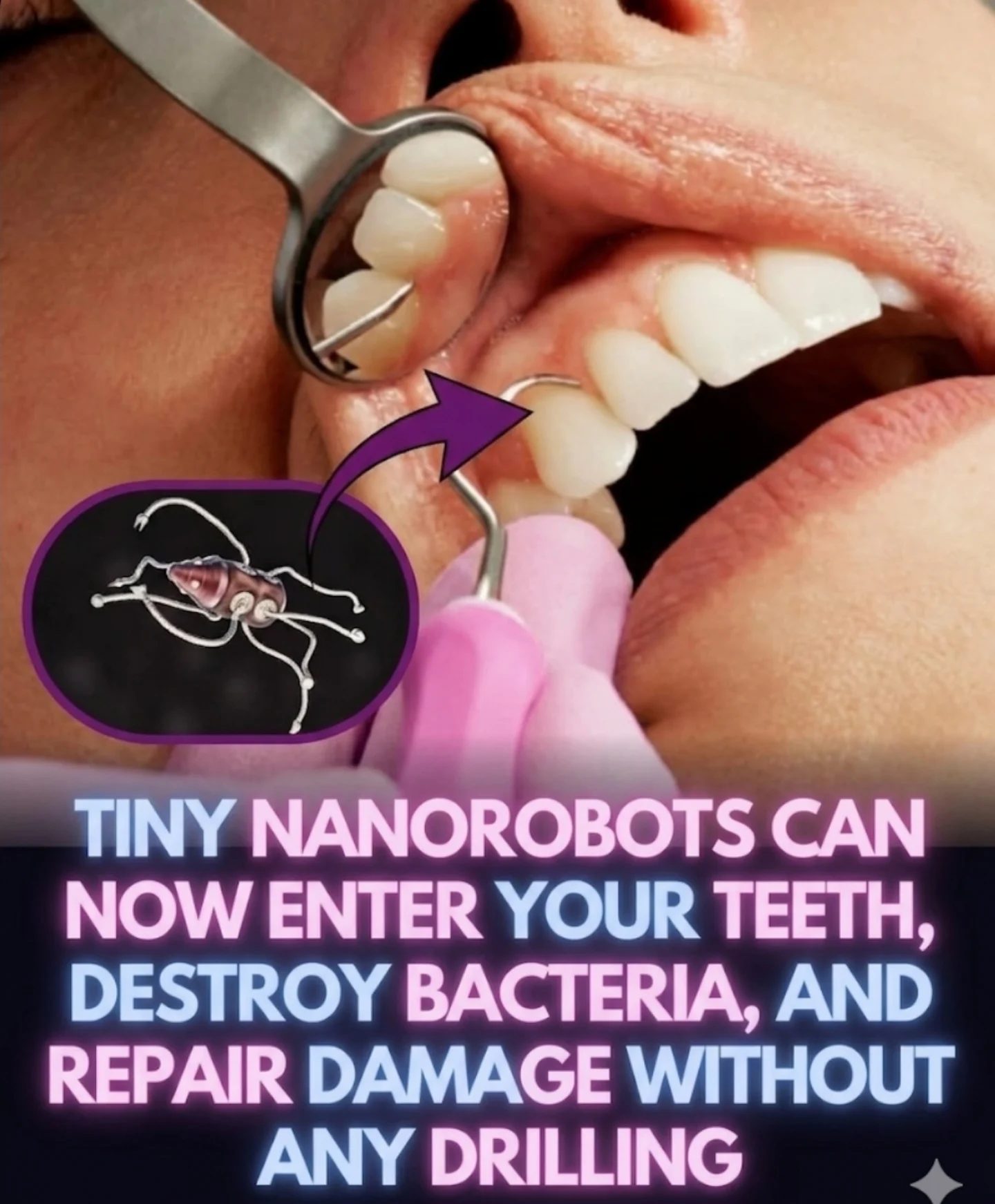
Nanotechnology in Dentistry
Nanotechnology is rapidly transforming dentistry, introducing innovative solutions that promise to revolutionize oral care. Among the most exciting developments are nanorobots, tiny machines designed to navigate the complex microstructure of teeth and address dental issues at a micro level. These nanorobots are part of a broader field of antimicrobial nanoparticles that could change how dentists treat cavities and root canals, making procedures less invasive and more precise.
Context / Why this matters
Dental problems like cavities and root canals often require invasive procedures that can be painful and time-consuming. Traditional methods involve drilling into the tooth to remove decayed material, which can compromise the tooth's structure. Nanorobots offer a potential solution by targeting and eliminating bacteria without the need for drilling. This not only preserves more of the natural tooth structure but also reduces patient discomfort and recovery time.
Main discussion
The Science Behind Nanorobots in Dentistry
Nanorobots are designed to be incredibly small, typically measuring just a few nanometers in size. This tiny size allows them to enter the microscopic dentinal tubules within teeth, where bacteria often reside. By navigating these complex structures, nanorobots can destroy bacteria that traditional drills and chemical rinses cannot reach. This targeted approach is made possible by advanced control mechanisms, often involving external magnetic fields, which guide the nanorobots precisely to the affected areas.
Potential Applications
One of the most promising applications of nanorobots is in root canal treatments. Root canals are notoriously difficult to clean thoroughly, and any remaining bacteria can lead to recurrent infections. Nanorobots could potentially eliminate all bacteria, ensuring a more effective and lasting treatment. Additionally, nanorobots can be used to repair damage within the tooth, effectively filling cavities without the need for drilling. This could revolutionize cavity treatment by making it less invasive and more comfortable for patients.
Benefits of Nanorobots in Dental Care
- Precision Treatment: Nanorobots can target specific areas of the tooth, allowing for highly precise treatments that minimize damage to healthy tissue.
- Less Invasive: By eliminating the need for drilling, nanorobots can reduce patient discomfort and recovery time.
- Enhanced Effectiveness: Nanorobots can reach areas that traditional methods cannot, ensuring more thorough removal of bacteria and better long-term oral health.
- Patient Comfort: The non-invasive nature of nanorobot treatments makes them more comfortable for patients, potentially reducing anxiety associated with dental procedures.
Current State of Research
While the concept of nanorobots in dentistry is exciting, it is important to note that this technology is still in the early stages of development. Researchers are currently focused on clinical testing and prototyping, aiming to refine the capabilities and safety of nanorobots before they become widely available. As the technology advances, it is expected to become a significant part of modern dental care, offering patients more comfortable and effective treatment options.
Challenges and Considerations
Despite the promising potential of nanorobots, there are several challenges that need to be addressed. One of the primary concerns is the potential for nanorobots to cause unintended side effects if they are not properly controlled. Researchers are working on developing robust control mechanisms to ensure that nanorobots can be accurately guided and contained within the treatment area.
Another consideration is the cost and accessibility of nanorobot technology. As with any new medical innovation, the initial cost of developing and implementing nanorobots may be high. However, as the technology becomes more widespread, it is expected to become more affordable and accessible to a broader range of patients.
Practical tips
If you're curious about the future of dental care and the potential benefits of nanorobots, here are a few practical tips to stay informed:
- Stay Updated on Research: Keep an eye on the latest research and developments in the field of nanotechnology in dentistry. This will help you stay informed about emerging treatments and their potential impact on oral health.
- Consult with Your Dentist: Regularly consult with your dentist to discuss any new technologies that may be available. They can provide valuable insights and recommendations based on your specific dental needs.
- Participate in Clinical Trials: If you are interested in participating in clinical trials for new dental technologies, talk to your dentist about available opportunities. This can give you early access to innovative treatments and contribute to the advancement of dental care.
- Maintain Good Oral Hygiene: While nanorobots promise exciting advancements, it's still crucial to maintain good oral hygiene habits. Regular brushing, flossing, and dental check-ups will continue to be essential for long-term oral health.
Important takeaways
Nanorobots represent a significant advancement in dental technology, offering the potential for more precise, less invasive treatments. By targeting bacteria at a micro level, nanorobots can revolutionize how dentists treat cavities and root canals, preserving more of the natural tooth structure and improving patient comfort. While this technology is still in the early stages of development, the future of dental care looks promising with the integration of nanorobots and other advanced technologies.
Conclusion
The integration of nanorobots in dentistry marks a transformative shift in oral care, promising more effective, less invasive treatments. As research continues to advance, the potential benefits of nanorobots in dental care become increasingly evident. By staying informed and engaging with new technologies, patients can look forward to a future where dental treatments are more comfortable, precise, and effective.
Watch the Reel
Questions readers ask
What are dental nanorobots and how do they function?
Dental nanorobots are microscopic machines designed to navigate the intricate structure of teeth. They function by targeting and eliminating oral bacteria, offering a precise and less invasive approach to treating cavities and root canals. These nanorobots can repair tooth structure and fill cavities, making the procedure less painful and more efficient.
How do nanorobots in dentistry make procedures less invasive?
Nanorobots in dentistry minimize the need for traditional drilling, thereby reducing the damage to the tooth's structure. By targeting specific areas of decay, nanorobots can remove bacteria and repair the tooth from within, making the process more comfortable for patients.
What are the benefits of using nanorobots for cavities?
Using nanorobots for cavities offers several benefits, including reduced pain, faster recovery times, and improved precision. These tiny machines can access hard-to-reach areas and eliminate bacteria, making the treatment more effective and less likely to cause further damage to the tooth.
Can nanorobots be used for root canal treatment?
Yes, nanorobots can be used for root canal treatment. They can navigate the complex root canal system to target and eliminate bacteria that cause infections. This approach makes the procedure less invasive and more accurate, potentially reducing the need for repeated treatments.
What is the future of dental care with nanorobots?
The future of dental care with nanorobots is promising. As technology advances, nanorobots are expected to become even more precise and versatile, offering a wide range of non-invasive dental treatments. This could lead to a significant reduction in the need for traditional, more invasive procedures, improving overall oral health outcomes.
How do nanorobots target and eliminate oral bacteria?
Nanorobots target and eliminate oral bacteria through their tiny size and specific design. They can penetrate the microscopic spaces within teeth to locate and neutralize bacteria, often using antimicrobial properties. This precise targeting ensures that only the affected areas are treated, leaving healthy tooth structure intact.
What makes nanorobots a better option for treating dental issues?
Nanorobots offer a better option for treating dental issues due to their ability to provide precise, less invasive care. They can repair teeth from the inside out, reducing the need for drilling and minimizing the risk of further damage. This results in a more comfortable experience for patients and potentially faster recovery times.
Related deep dives
Similar reads based on topic and creator.




Recent articles
Fresh deep dives from the latest Reels we unpacked.




Comments
Be the first to comment.