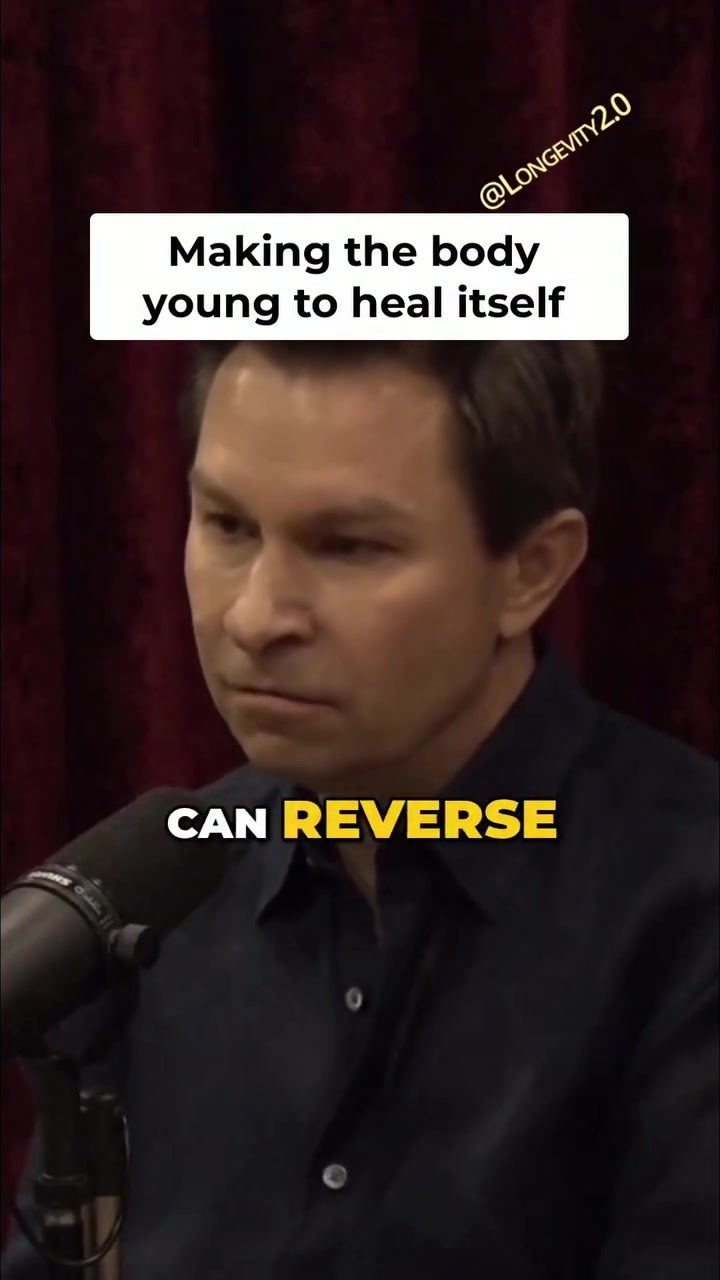
Longevity and Healing: The Potential of Youthful Cellular Function
Alzheimer's disease is a complex and debilitating condition that affects millions of people worldwide. Traditional treatments focus on managing symptoms, but what if there was a way to tackle the root cause by making the brain biologically younger? This innovative approach is at the heart of Dr. David Sinclair's research on aging and longevity. By restoring youthful cellular function, tissues can repair themselves more effectively, potentially reversing age-related neurological decline, including Alzheimer's.
Why This Matters
The implications of this research are vast. If successful, this approach could revolutionize how we treat not just Alzheimer's, but a wide range of age-related diseases. By focusing on the body's natural healing abilities, we could potentially cure diseases that are currently incurable. This shift in perspective moves away from treating individual diseases toward addressing the underlying biology of aging itself.
Main Discussion
The Science Behind Youthful Cellular Function
Dr. David Sinclair's research centers around the idea that making the body young can help it heal itself in every way. The key lies in cellular reprogramming, a process that can restore youthful cellular function. In animal studies, this approach has shown promising results, including improvements in age-related neurological function. The concept is straightforward: young people rarely develop Alzheimer's because their bodies can tackle the problem more effectively. By making the body biologically younger, it gains the ability to heal itself.
The Potential for Curing Incurable Diseases
The potential applications of this research extend beyond Alzheimer's. By making the whole body young, it becomes possible to cure diseases that are currently considered incurable. This approach targets the root cause of aging, which is often the underlying factor in many age-related diseases. The idea is to restore the body's natural healing abilities, allowing it to repair itself more effectively.
The Bigger Question: Restoring the Biology of Aging
The future of medicine could be radically different if we focus on restoring the biology of aging itself rather than treating each disease separately. This shift in perspective could lead to more comprehensive and effective treatments for a wide range of conditions. By addressing the underlying biology of aging, we can potentially prevent or reverse many age-related diseases, including Alzheimer's.
Practical Tips
Stay Informed
Keeping up with the latest research in longevity and aging is crucial. Dr. David Sinclair's work is at the forefront of this field, and staying informed about his findings can provide valuable insights into potential treatments and preventive measures. Subscribing to newsletters and following reputable sources in the field can help you stay updated on the latest developments.
Adopt a Healthy Lifestyle
While the research on cellular reprogramming is still experimental, adopting a healthy lifestyle can support overall health and potentially slow down the aging process. This includes maintaining a balanced diet, regular exercise, and adequate sleep. While these practices are not a cure-all, they can contribute to better health outcomes and may support the body's natural healing abilities.
Consider Longevity Research
Participating in clinical trials or research studies focused on longevity and aging can provide access to cutting-edge treatments and therapies. These studies often seek volunteers to test new approaches and gather data on their effectiveness. By participating, you may gain early access to potential treatments and contribute to the advancement of medical research.
Engage with the Community
Engaging with communities focused on longevity and aging can provide a wealth of information and support. Online forums, social media groups, and local meetups can offer insights, share personal experiences, and provide encouragement. By connecting with others who share similar interests, you can stay motivated and informed about the latest developments in the field.
Important Takeaways
The Potential of Cellular Reprogramming
Cellular reprogramming holds significant promise for reversing age-related neurological decline, including Alzheimer's. By restoring youthful cellular function, tissues can repair themselves more effectively, potentially leading to cures for currently incurable diseases.
The Future of Medicine
The future of medicine may lie in restoring the biology of aging itself, rather than treating each disease separately. This shift in perspective could lead to more comprehensive and effective treatments for a wide range of conditions, potentially curing diseases that are currently considered incurable.
The Importance of Staying Informed
Staying informed about the latest research in longevity and aging is crucial. By keeping up with developments in the field, you can gain valuable insights into potential treatments and preventive measures, as well as contribute to the advancement of medical research.
Conclusion
The idea of making the brain biologically younger to treat Alzheimer's and other age-related diseases is a groundbreaking concept. Dr. David Sinclair's research on restoring youthful cellular function offers a promising avenue for addressing the underlying biology of aging. While the technology is still experimental, the potential for curing incurable diseases and restoring the body's natural healing abilities is vast. By staying informed, adopting a healthy lifestyle, and engaging with the community, you can contribute to the advancement of medical research and potentially benefit from future treatments. The future of medicine may well lie in restoring the biology of aging itself, leading to more effective and comprehensive treatments for a wide range of conditions.
Watch the Reel
Questions readers ask
How does making the brain biologically younger help in reversing Alzheimer's disease?
By restoring youthful cellular function, the brain can enhance its natural healing abilities. This process aims to repair damaged tissues, potentially reversing the neurological decline associated with Alzheimer's disease.
What is the focus of Dr. David Sinclair's research in relation to Alzheimer's disease?
Dr. David Sinclair's research concentrates on the concept of longevity and aging, specifically how restoring youthful cellular function can improve the body's natural healing processes. This approach targets age-related neurological decline, including Alzheimer's disease.
Can enhancing the brain's youthfulness impact other age-related diseases?
Yes, the principles behind making the brain biologically younger could have implications for a wide range of age-related diseases. This approach focuses on the broader goal of reversing biological aging, which could benefit various conditions beyond Alzheimer's.
What makes Dr. David Sinclair's approach to Alzheimer's disease unique?
Unlike traditional treatments that focus on symptom management, Dr. David Sinclair's approach aims to tackle the root cause of Alzheimer's by making the brain biologically younger. This involves restoring youthful cellular function to enhance the brain's ability to repair and heal itself.
How does restoring brain function relate to reversing Alzheimer's disease?
Restoring brain function involves promoting youthful cellular function, which can lead to improved tissue repair and healing. By making the brain biologically younger, this approach aims to reverse the neurological decline associated with Alzheimer's disease and enhance overall brain health.
What are the potential benefits of focusing on biological aging in the context of Alzheimer's disease?
Focusing on biological aging offers a radical new approach to treating Alzheimer's. By targeting the underlying aging processes, this method aims to reverse age-related neurological decline, potentially providing a more effective and long-lasting solution compared to traditional treatments.
Related deep dives
Similar reads based on topic and creator.


Recent articles
Fresh deep dives from the latest Reels we unpacked.




Comments
Be the first to comment.